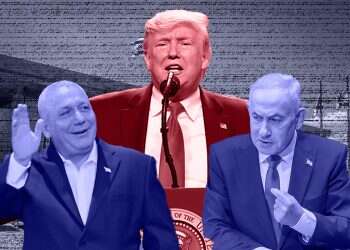
The New York Times reported Saturday morning that just weeks after the historic cooperation in the strike on Iran, Israel had been pushed away from the centers of decision-making in Washington.
According to the report, Netanyahu's promise to Trump that military cooperation would lead to the fall of the Iranian regime, a pledge that proved incorrect, led to Israel being excluded from influence over the US-Iran negotiations.
Two Israeli security sources told the newspaper that Israel's leadership had been almost completely cut off from updates on what was happening behind closed doors in the fateful talks. They added that because of the shortage of information, Israel was required to rely on diplomatic sources as well as intelligence sources inside the Iranian regime.
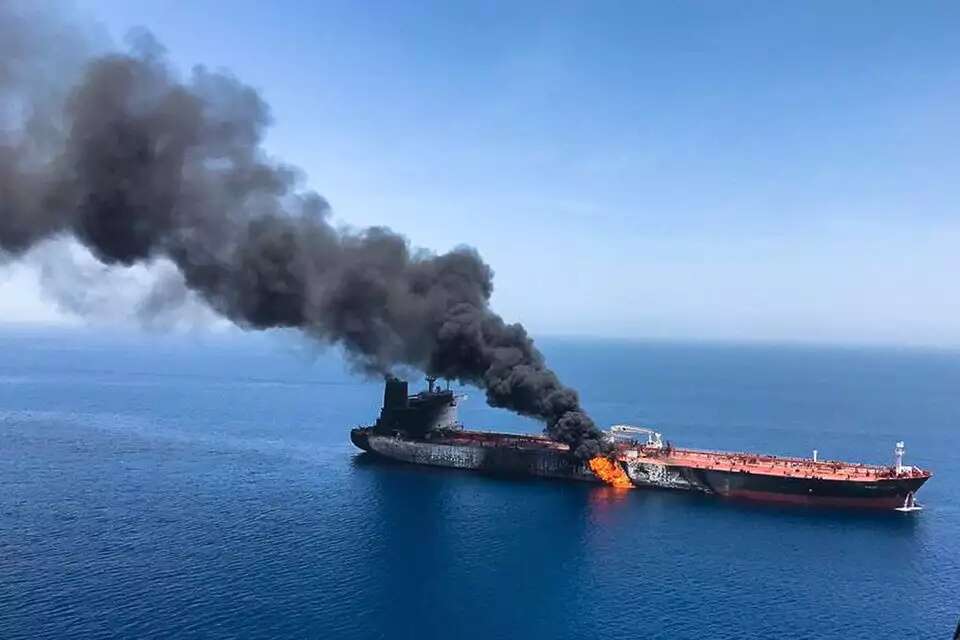
The The New York Times also reported that the change in Israel's standing could harm Netanyahu's efforts in the upcoming election. According to the report, many in Trump's inner circle saw the promise of regime change as an absurd idea. The gaps only widened after the closure of the Strait of Hormuz and its effect on oil prices, which pushed Trump toward efforts to secure a ceasefire.

The agreement will resemble the one Obama secured
Netanyahu set three goals for the war: toppling the Iranian regime, eliminating Iran's nuclear program and destroying its missile program. While none of these goals was achieved, the US changed its position and offered the Iranian regime a 20-year freeze on its nuclear program, a window of time that may even have been shortened in the latest proposal discussed by the sides.
The implication is that if a deal is ultimately reached, it will resemble the agreement signed by President Barack Obama with the Iranian regime in 2015, the same agreement from which Trump withdrew, encouraged by Netanyahu, during his first term.
Another consequence of Israel's exclusion from the negotiations is that the issue of Iran's ballistic missile stockpile remains off the table, as far as senior Israeli officials know. In that sense, if an agreement is signed, it will not improve on Israel's main objection to the Obama deal, which also did not address the danger posed by the missile arsenal.
The intention to lift sanctions imposed on the Iranian regime by the US is also worrying Israel. Israeli officials argue that Iran will receive an economic lifeline in the form of billions of dollars injected into its economy, helping it renew its support for proxy organizations, including Hezbollah.
According to the newspaper, the disconnect between Israel and the US began about two weeks after the start of the attack, when it became clear that regime change in Iran was not possible. US officials familiar with the matter said that while Trump viewed Netanyahu as a partner in the war, he does not see him as a partner in negotiations with Iran. According to the officials, the US president sees Netanyahu as a factor that must be restrained when it comes to resolving conflicts.