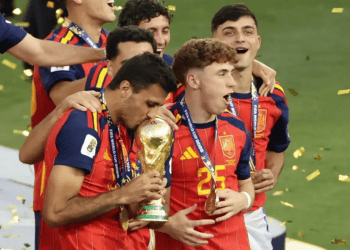
Here it comes. The biggest World Cup of all time is about to get underway. Exactly the way America likes it: the biggest, the richest, the most expensive, the most bombastic, and the least like the soccer we have grown used to.
For the first time, there are three host countries. For the first time, 48 national teams. For the first time, a tournament lasting 39 full days. For the first time, more than 100 matches.
The truth must be said: The world is far more excited about the World Cup than the US and Canada are. Mexico is another story. Yes, soccer is developing in the US, and has already surpassed baseball in popularity, but do not expect "World Cup madness" among the average American sports fan.
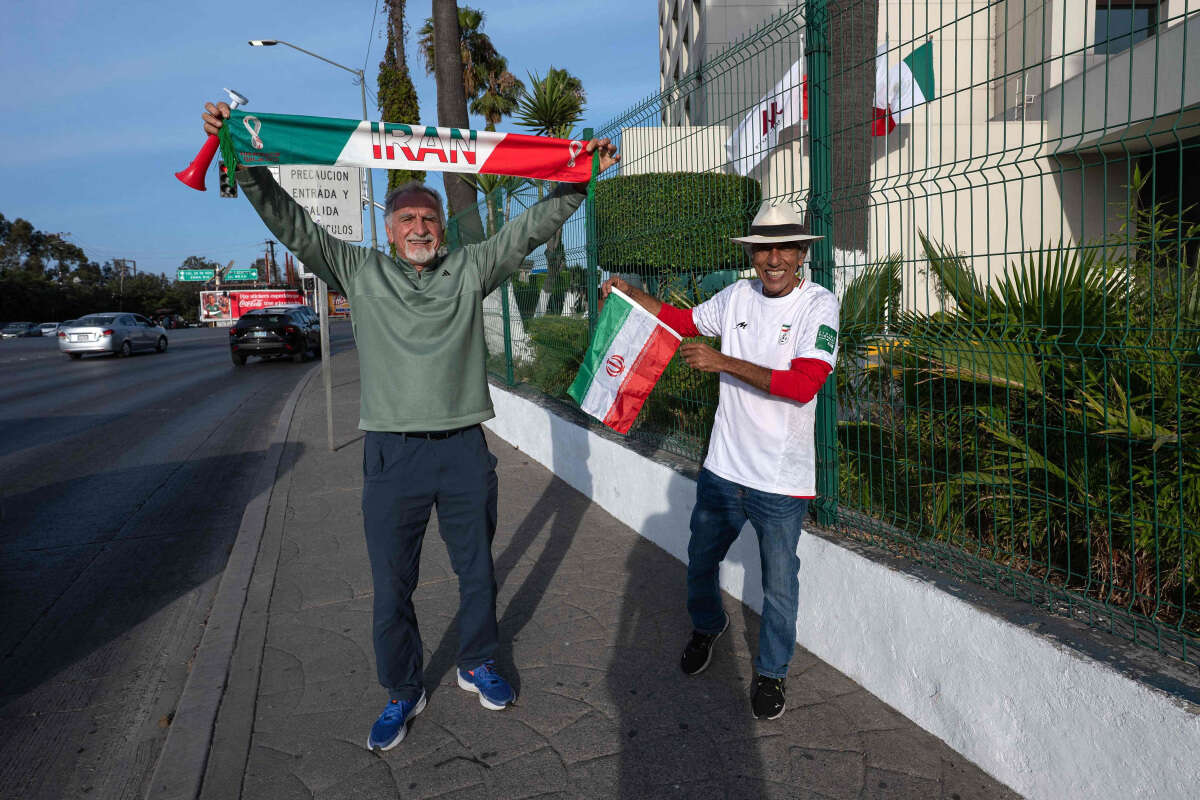
That, of course, does not apply to the huge immigrant communities living in the US: South Americans, Iranians, Moroccans, Haitians. They will create the atmosphere at their national teams' matches.
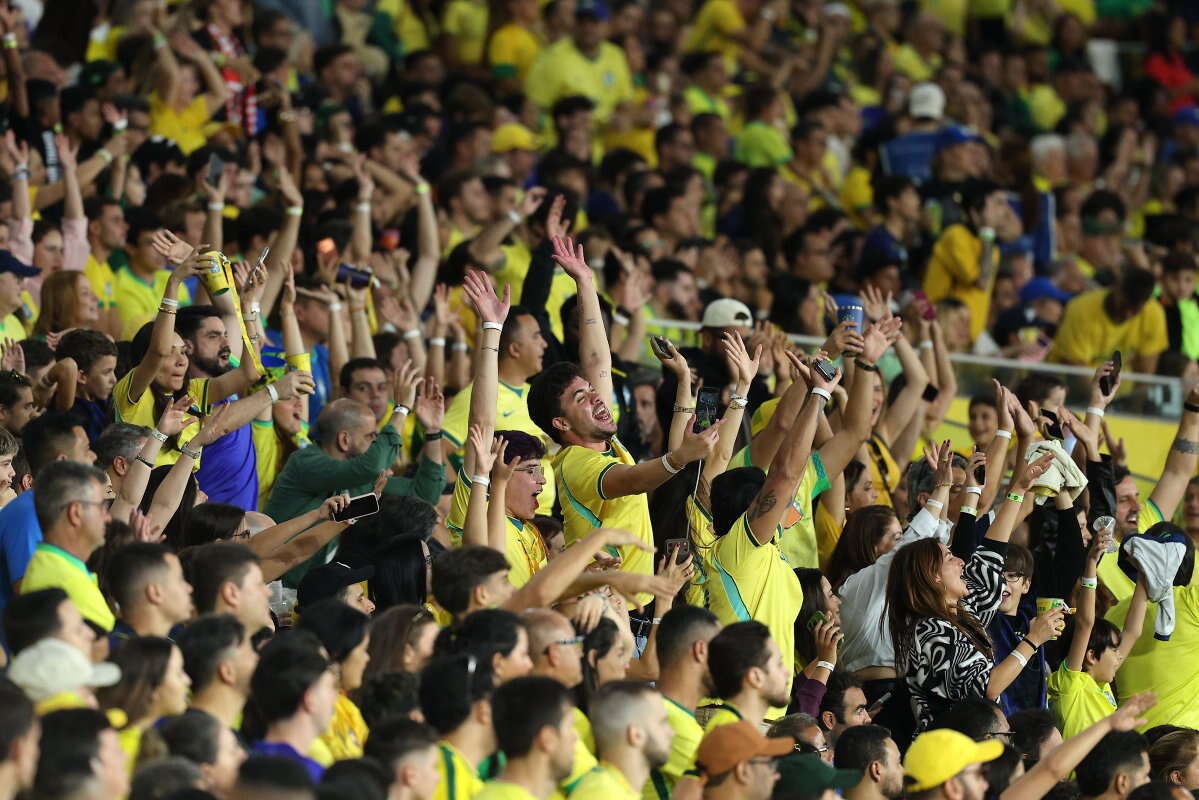
And as we already saw in 2018 in Russia and in 2022 in Qatar, tens of thousands of Argentines, Brazilians, Colombians, Uruguayans and Ecuadorians will flow from the southern tip of the Americas to the stadiums in the northern part of the continent. They will be the ones who paint the streets of the host cities and the stands. They will provide the color and the sound of the World Cup.
They have no problem breaking into savings accounts and heading north. They have been waiting for this for four years. European fans will come, but in smaller numbers. For them, it is a huge financial outlay, mainly because ticket prices have broken every record. They will also make less noise.
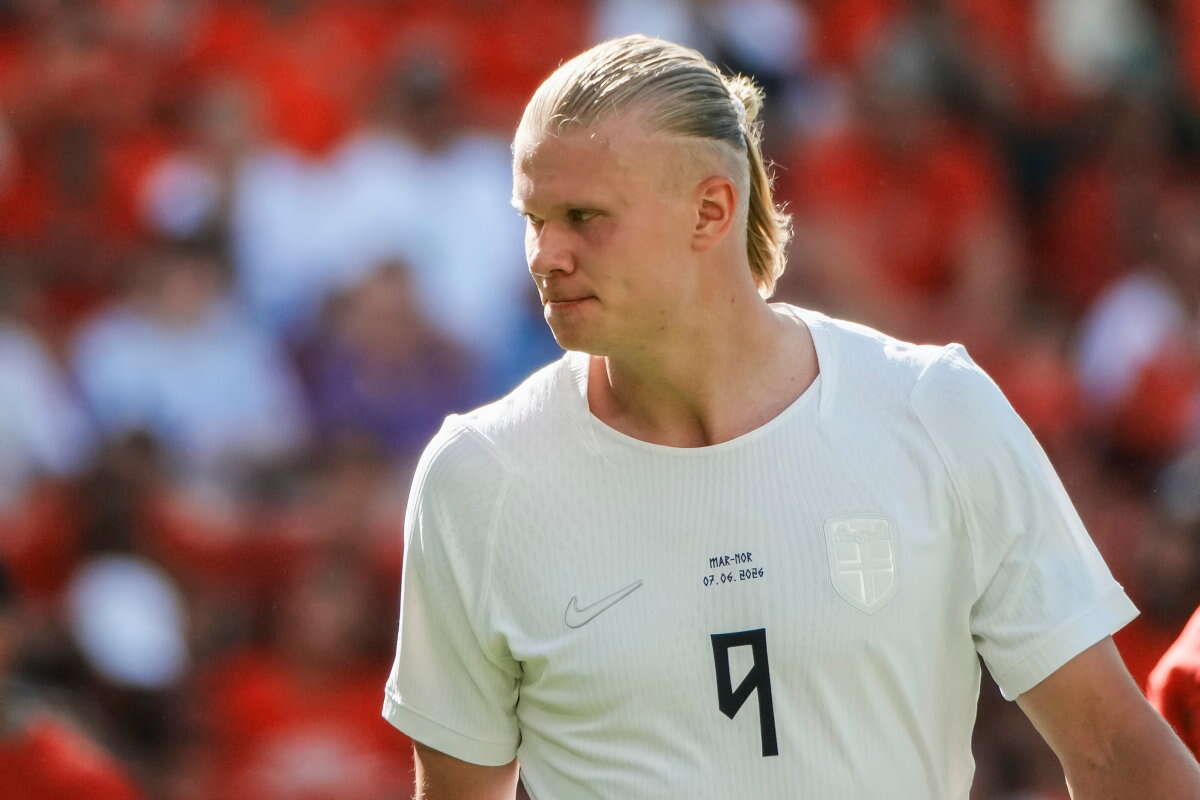
The exceptions will likely be the Norwegians and the Scots, partly because their national teams are returning to the World Cup for the first time in 28 years. Norway, thanks in large part to Erling Haaland, is also being marked as the tournament's dark horse.
Many favorites
History shows that, in most cases, the team that arrives as the overwhelming favorite does not win the title. This time, however, there is not one favorite, but six or seven teams considered to have a good chance: European champion Spain; France, which reached the last two finals; England, which reached the Euro final in each of the last two tournaments; of course world champion Argentina; as well as Portugal and even Brazil, which has not won the title for 24 years.
So yes, the 2026 World Cup will be unlike anything we have been used to in the past. The halftime break in the final will last 30 minutes, to allow an entertainment show to be held on the pitch, like at football's Super Bowl. Because, after all, America.
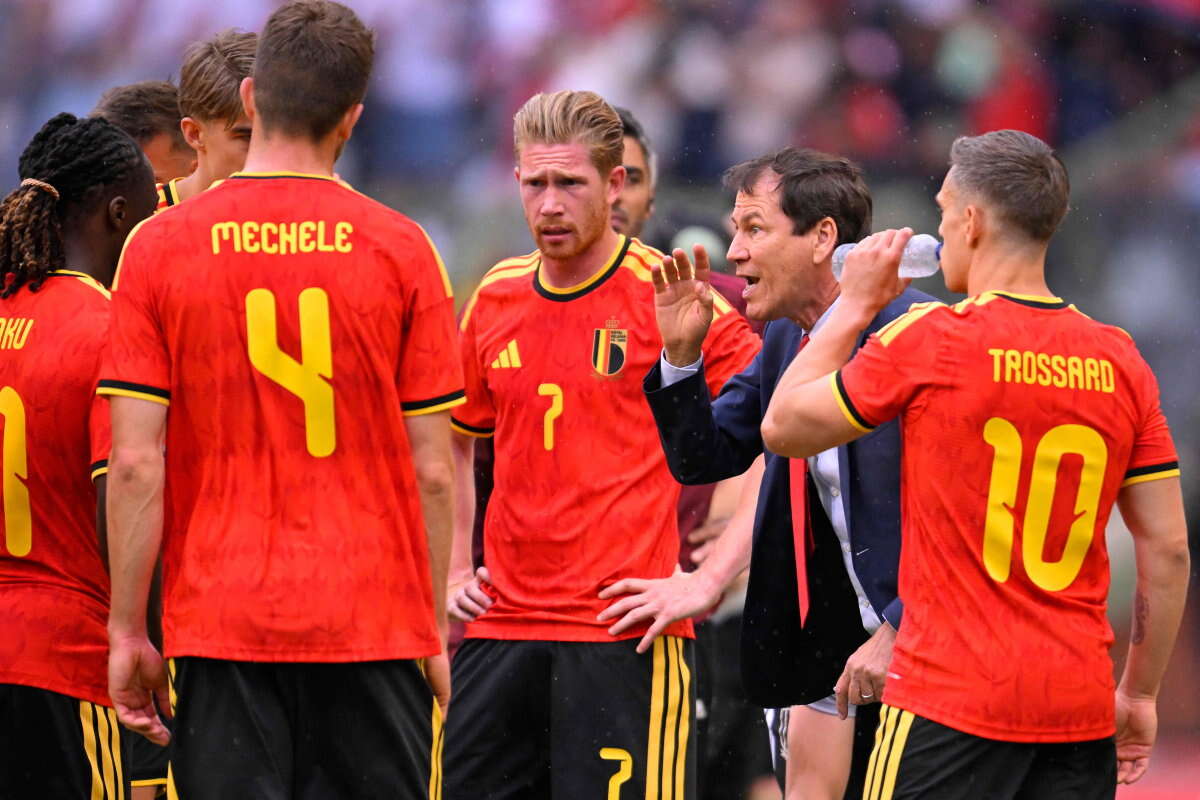
Every match will include two three-minute "hydration breaks" during the halves. And this will apply to every match, even those played in air-conditioned stadiums with closed roofs. Get used to it: soccer is turning into a game of four quarters, like basketball. And anyone who thinks this will not become part of our lives within a year or two should think again.
Start getting used to the new rules as well, and there are many of them, mainly in everything connected to FIFA's attempt to combat time-wasting and fake injuries. The VAR's powers have also been expanded, including corners, second yellow cards and more.
And we have not forgotten the politics, or the absurd situation in which the US is at war with Iran, while Iran's national team players are supposed to play in Los Angeles and Seattle.
And after all that has been said, in the end, it is soccer. The most popular sport in the world. In the end, it is the excitement of children experiencing their first World Cup, a memory that will stay with them for decades to come.
And in the end, it is the great moments, the unforgettable, eternal moments that this World Cup will provide. And it will provide them. As happens every four years. These are the stories that create the mythology of the greatest and most moving sporting event there is.