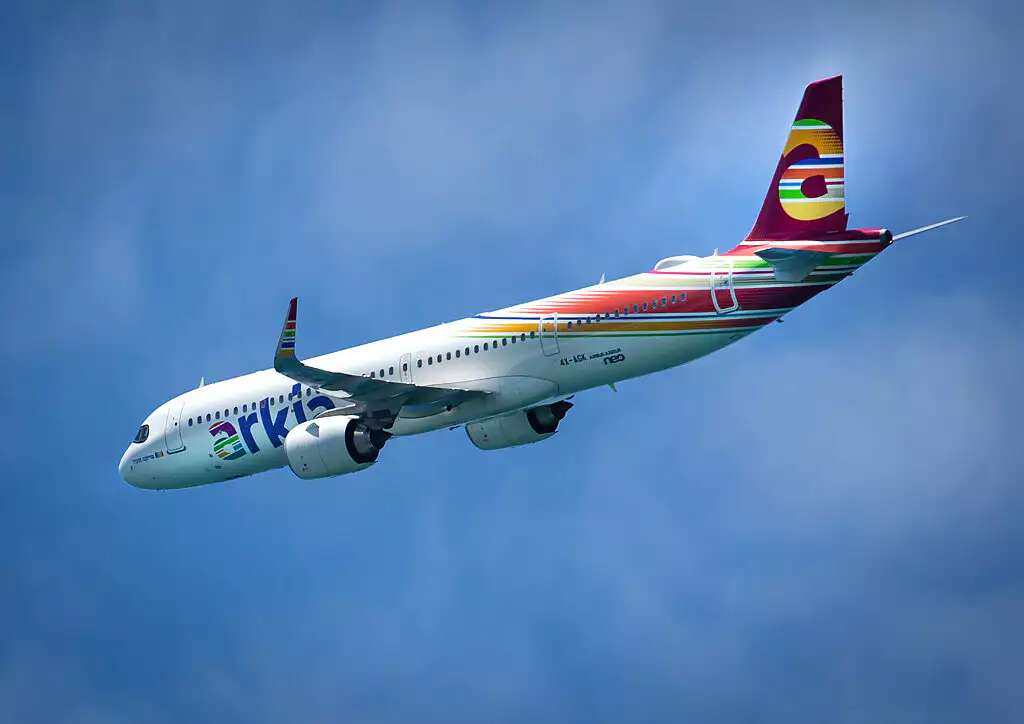
The unusual incident in which Hungarian fighter jets were scrambled toward an Arkia flight traveling from Tel Aviv to Prague sounded especially dramatic, but in aviation terms, it was actually a familiar procedure.
The moment a passenger plane stops responding to air traffic controllers, especially in the airspace of NATO member states, a chain of events is set in motion to determine whether the aircraft poses a security threat.
Not because it was Israeli
The fact that the aircraft was Israeli was not the reason the fighter jets were scrambled. The same procedures are activated for any civilian aircraft, whether European, American or Israeli, that loses contact with air traffic control for a significant period.

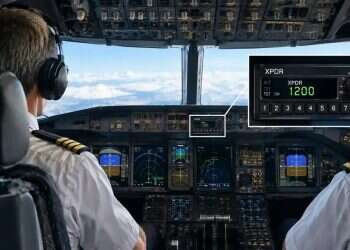
The initial concern is usually not a terrorist attack but a malfunction: a pilot who forgot to switch to the next frequency, a problem with the radio, an electrical fault or even workload in the cockpit.
Until the Sept. 11, 2001 attacks, loss of contact was treated mainly as a safety issue. Since then, the perception has changed completely. Western countries assume that any aircraft that fails to respond could be in distress, under hijacking or, in an extreme case, being used as a threat. As a result, they do not wait long, and in many cases fighter jets are scrambled in the early stages of the incident.
What do the fighter jets do?
Contrary to common perception, the purpose of the fighter jet is not to "intercept" in the offensive sense. The first mission is to reach the aircraft quickly, identify it visually and check whether the crew notices the escorting planes.
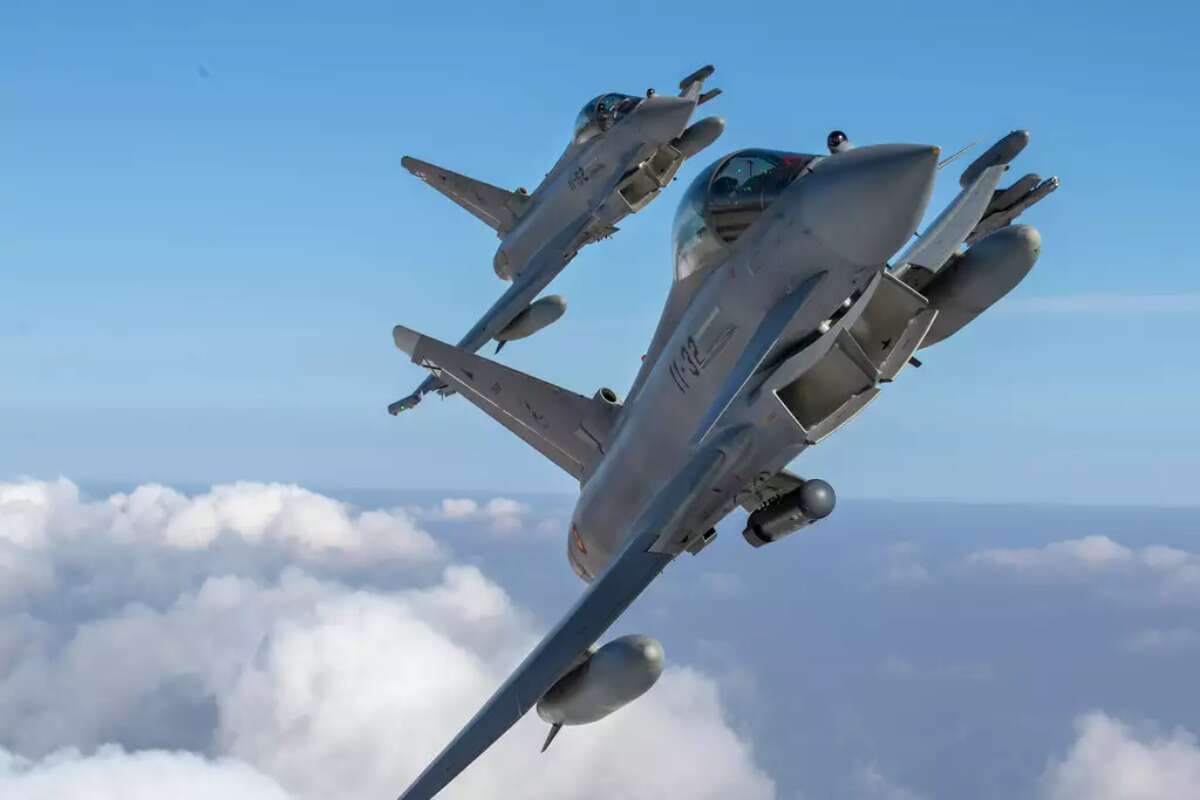
The pilots can see whether there are signs of distress, smoke from the engines, damage to the aircraft or unusual behavior in the cockpit. At the same time, they try to establish contact by other means and relay instructions using agreed international signals.
Despite the drama, such scrambles take place dozens of times a year across Europe. Most end within a few minutes after contact with the aircraft is restored. In many cases, the cause turns out to be a simple human error or a minor technical fault.
Can a passenger plane be shot down?
In theory, yes, but this is an extremely rare scenario. Only if a passenger aircraft is defined as an immediate threat to people on the ground or to strategic targets could such a decision be made, and even then it would be taken at the highest political level.
Therefore, in the case of the Israeli flight to Prague, the fact that fighter jets were scrambled does not necessarily indicate an unusual danger. It mainly shows that NATO's air defense systems operated exactly as they are designed to operate when an aircraft stops responding on the radio.