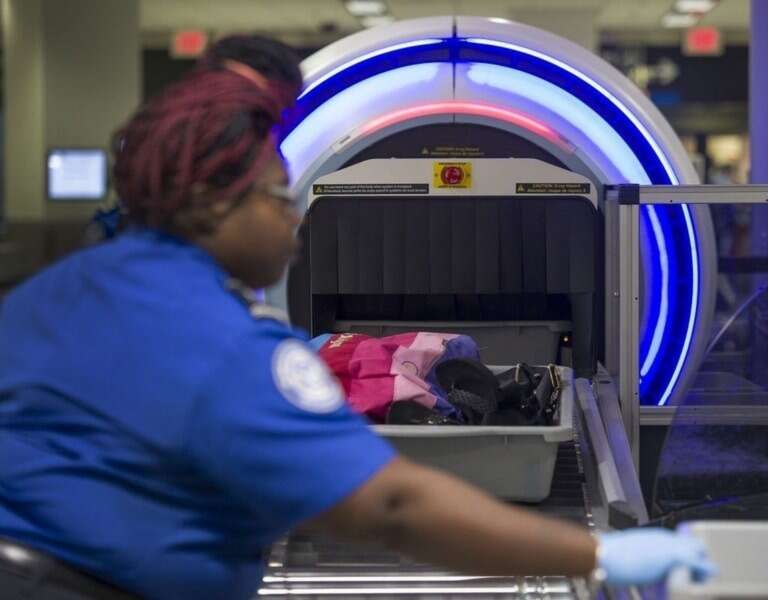
Travelers planning to fly through the United States should be aware of a change underway at airport security checkpoints. The Transportation Security Administration is expanding the rollout of new computed tomography scanners, advanced technology that produces three-dimensional images of carry-on baggage and helps security officers identify potential threats more accurately.
As of today, the TSA had installed 1,162 CT scanners at 296 airports across the US. The rollout is part of a program valued at more than $1 billion that is gradually replacing older X-ray machines.
The technology is already in use at several major US aviation hubs, including:
- John F. Kennedy International Airport (JFK)
- Los Angeles International Airport (LAX)
- Chicago O'Hare International Airport (ORD)
- Hartsfield-Jackson Atlanta International Airport (ATL)
- Miami International Airport (MIA)
- Boston Logan International Airport (BOS)
- Newark Liberty International Airport (EWR)
Less unpacking
For passengers, the change is expected to make security screening more convenient. At lanes equipped with the new scanners, travelers generally do not need to remove laptops, tablets or other electronic devices from their bags.
Liquids may also remain inside, provided they comply with the existing TSA quantity restrictions under the 3-1-1 liquids rule. The scanners create detailed 3D images that officers can rotate and examine from different angles.
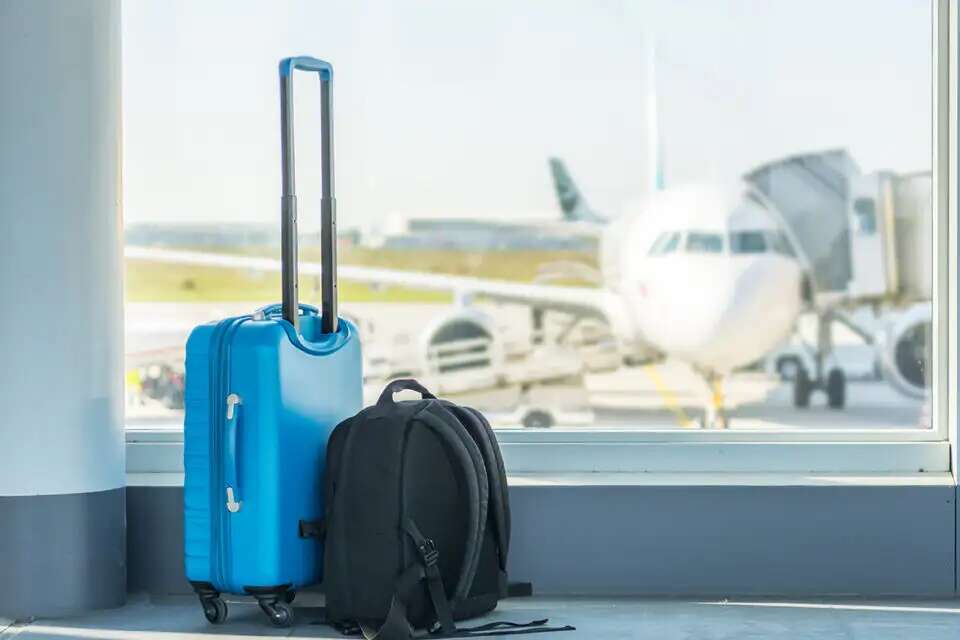
Alongside the benefits, the TSA warns that the entrance tunnel on some CT machines is smaller than the opening on older X-ray equipment. That means some large carry-on bags or roller suitcases that previously fit through airport scanners may not fit inside the new machines.
In such cases, passengers could be required to return to their airline's check-in counter and check the suitcase into the aircraft's cargo hold. This could cause delays and may result in an additional fee when checked baggage is not included in the ticket.
The TSA recommends that travelers carrying large cabin bags consider checking them in advance, particularly at airports where the new scanners are already operating.
The opening on some new CT scanners is approximately 62 centimeters wide and 42 centimeters high, or about 24.5 inches by 16.5 inches. As a result, some larger carry-on suitcases that passed through older machines could become stuck or be rejected at the checkpoint.
Special warning for photographers
The change may be particularly significant for amateur and professional photographers who use film. The TSA warns that X-ray screening may damage undeveloped film, including film already loaded inside a camera.
The agency therefore recommends taking undeveloped film and cameras containing undeveloped film to the security checkpoint and requesting a hand inspection rather than putting them through the scanner.
The TSA says the new machines will continue replacing older screening systems in the coming years, meaning travelers flying through the US are likely to encounter the technology at a growing number of airports.