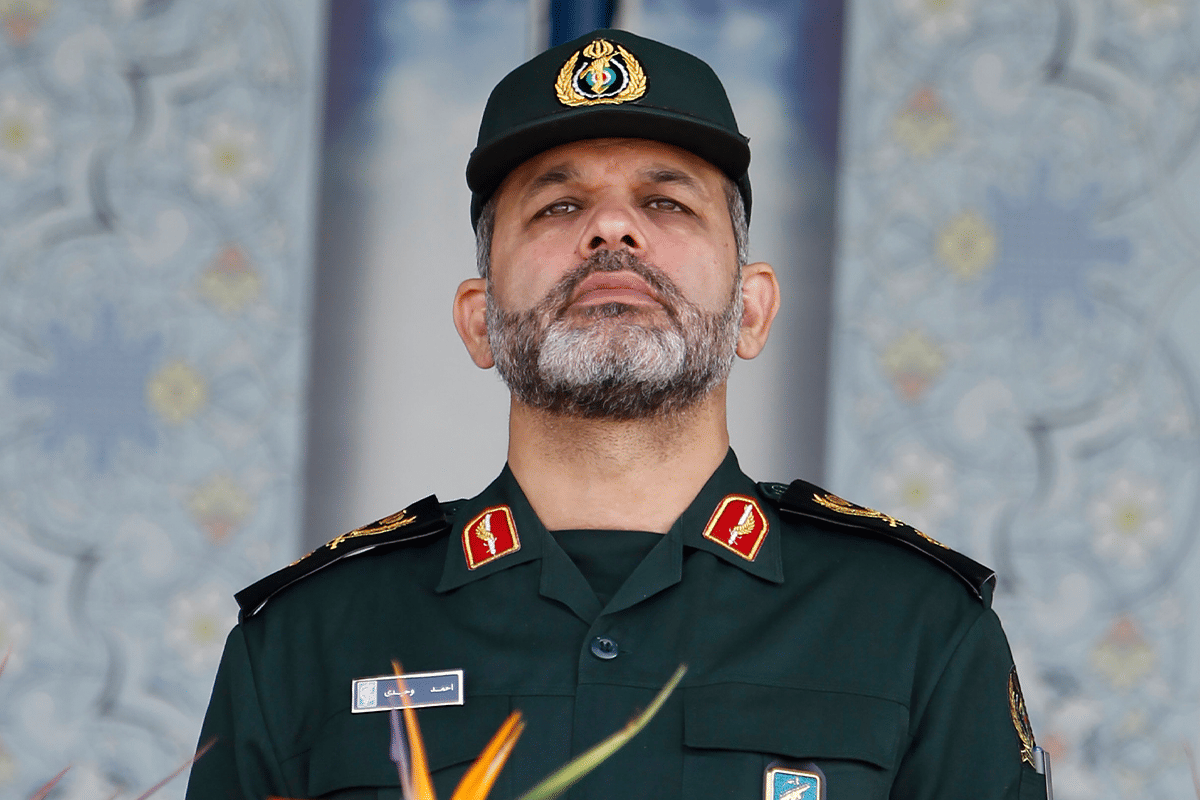
According to a Wall Street Journal report, the commander of Iran's Islamic Revolutionary Guard Corps, Ahmad Vahidi, has become one of the most influential power centers in Tehran in recent months and is leading a hard-line position in contacts with the US aimed at ending the war.
According to Iranian, Arab and European officials familiar with the talks, Vahidi is pressing Iran's leadership to avoid making early concessions and to preserve the state's leverage.
The report said Iran's recent decision to launch ballistic missiles at Israel, for the first time in months, demonstrated Vahidi's influence over security decision-making. Officials familiar with the matter said he had supported a significant strike in response to Israeli actions against Hezbollah in Lebanon, while more moderate figures in the regime sought to avoid an escalation that could jeopardize a possible agreement with Washington.
The officials said Vahidi had managed to persuade Iran's Supreme National Security Council to back the attacks, leading to the first exchange of fire between Iran and Israel since the ceasefire that took effect on April 8.
At the same time, US President Donald Trump and mediators involved in the talks have hinted that the sides are close to an initial agreement. However, Tehran has stressed that no final text has been approved, and various figures in the Iranian establishment continue to express reservations about the proposed framework.
Restoring military deterrence
According to mediators involved in the contacts, Vahidi believes Iran must restore its military deterrent power before agreeing to significant arrangements. As part of this approach, he supports maintaining the country's missile array, gaining access to Iranian assets frozen abroad, and removing restrictions on the use of those funds, including for security purposes.
The report claimed that during the war, Vahidi repeatedly clashed with Foreign Minister Abbas Araghchi and President Masoud Pezeshkian. The two, according to the officials, supported reaching a faster agreement with the US in order to reduce the economic pressure created by sanctions and restrictions on Iranian oil exports.
It was further claimed that Vahidi linked the talks with Washington to the fighting between Israel and Hezbollah, and demanded that progress with the US also depend on ending the confrontation between Israel and the Iranian-backed Lebanese organization.
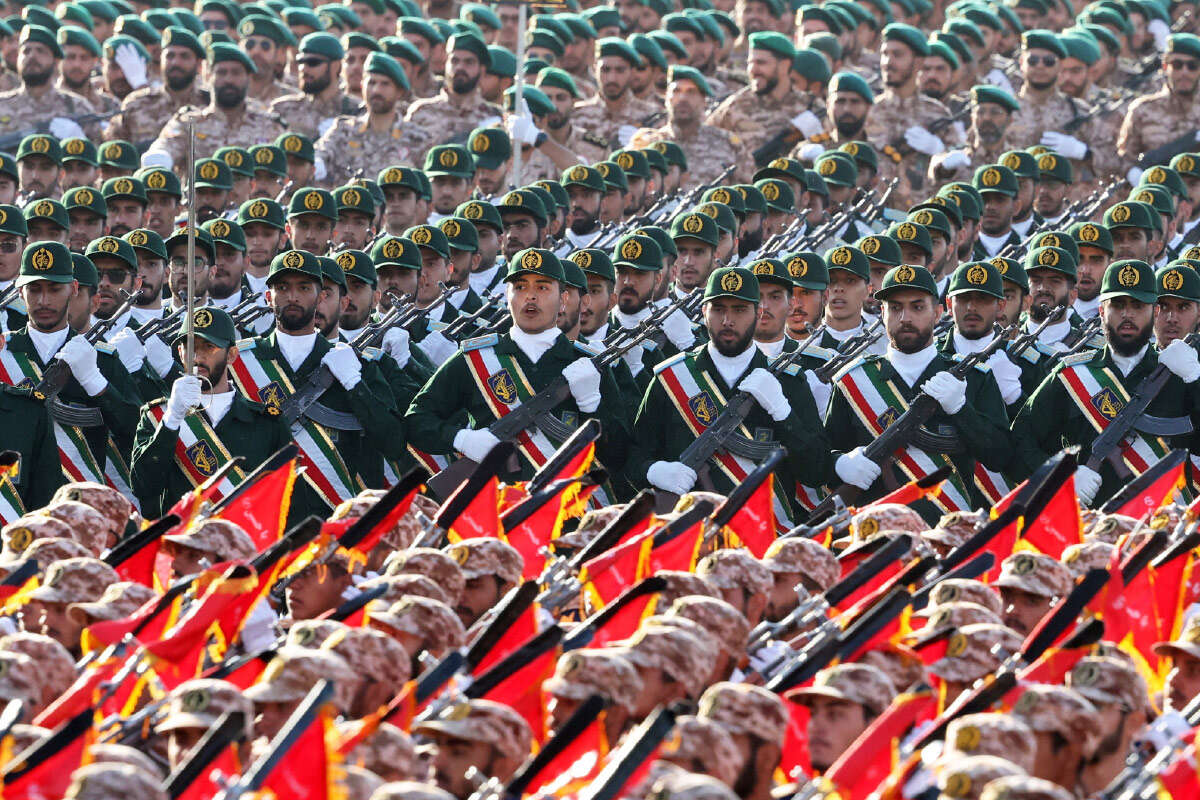
Vahidi currently heads the Islamic Revolutionary Guard Corps, a force of some 200,000 fighters that is considered one of the most powerful bodies in Iran's ruling system. In his role, he also holds influence over the issue of the Strait of Hormuz, considered one of Iran's central bargaining chips with the West.

One of the founders of the Revolutionary Guards
Vahidi was among the founders of the Revolutionary Guards after the 1979 Islamic Revolution. At 23, he was already head of the organization's intelligence division, and later helped establish the Quds Force, the elite unit responsible for operations beyond Iran's borders, serving as its first commander. In the 1990s, according to the report, he was involved in developing Hezbollah's military power in Lebanon. He later held additional senior positions, including defense minister, interior minister and deputy commander of the Revolutionary Guards.
In 2007, an international arrest warrant was issued against him as part of the investigation into the 1994 bombing of the Jewish community center in Buenos Aires, in which 85 people were killed. Iran has for years rejected the allegations against him and other senior Iranian officials.
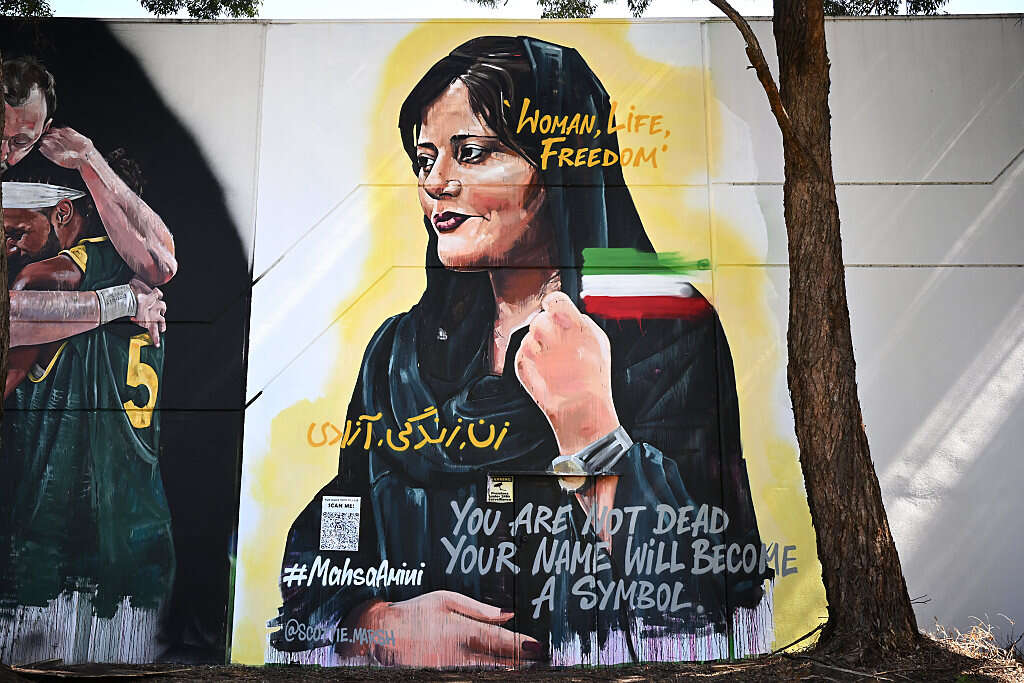
In 2022, while serving as interior minister, he was among those responsible for suppressing the protests that erupted following the death of Mahsa Amini in custody. The US imposed sanctions on him over his involvement in those events.
According to experts quoted in the article, Vahidi's experience is focused primarily on intelligence and internal security, rather than battlefield combat command. However, the deaths of many senior Revolutionary Guards officials during the confrontations with the US and Israel paved his way to the organization's top leadership position.