Air Force Commander Maj. Gen. Omer Tischler published a letter to Air Force personnel in which he addressed, among other things, the strike wave planned last week that was canceled at the last moment.
"The entire Air Force was ready to take off for a broad strike wave. We were just a few hours from the takeoff order, with hundreds of targets in the heart of Iran. The strike was halted while we were still briefing in the squadrons, just one hour before departure," he wrote.
Tischler addressed the flare-up with Iran that occurred early last week, saying: "Last week, following a strike in the Hezbollah stronghold in Dahiyeh, the State of Israel was attacked with dozens of surface-to-surface missiles launched from Iran. The air defense array operated exceptionally, intercepting all relevant threats, with no casualties in the State of Israel."
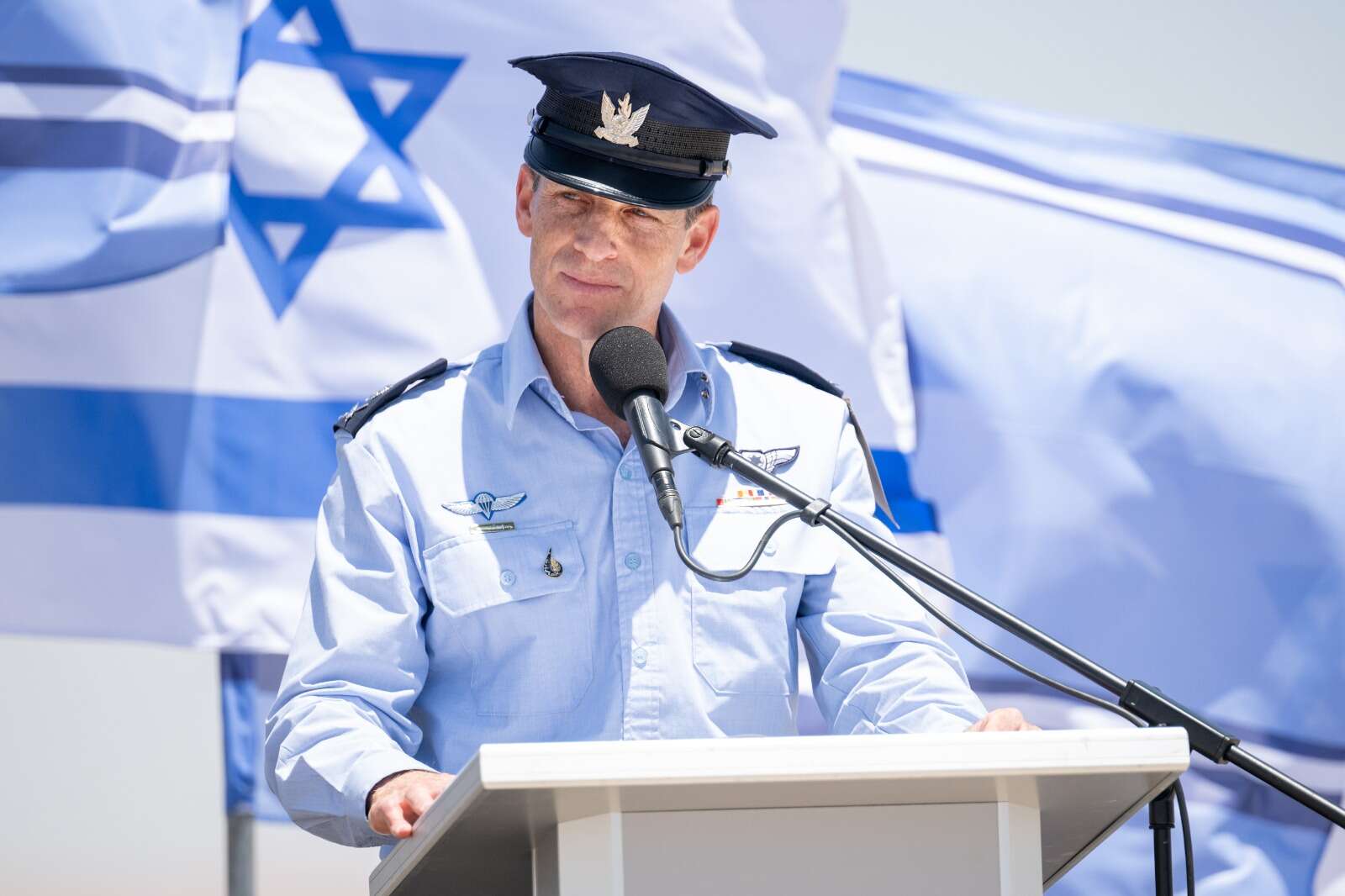
Tischler went on to address the strike in Iran and the one canceled at the last moment.
"In parallel with the defensive battle, the Air Force set out for a strike 1,500 kilometers (930 miles) from home. Within a few hours, dozens of targets in Iran were struck. We significantly damaged the air defense array and attacked additional regime components. The next day, in the afternoon, the entire Air Force was ready to take off for a broad strike wave. We were just a few hours from the takeoff order, after shortening the alert period, demonstrating exceptional flexibility, arming the entire Air Force, planning, preparing and reaching takeoff readiness for strikes on hundreds of targets in the heart of Iran. The strike was halted while we were still briefing in the squadrons, just one hour before departure."
Tischler also referred to the strike in Dahiyeh in Beirut at the start of the week, in which, according to him, one of Hezbollah's senior figures was eliminated. That strike led to renewed alertness in the Air Force over fears of additional fire from Iran. Tischler also noted that the Air Force was working closely with the head of the Northern Command to ensure the security of residents of northern Israel.
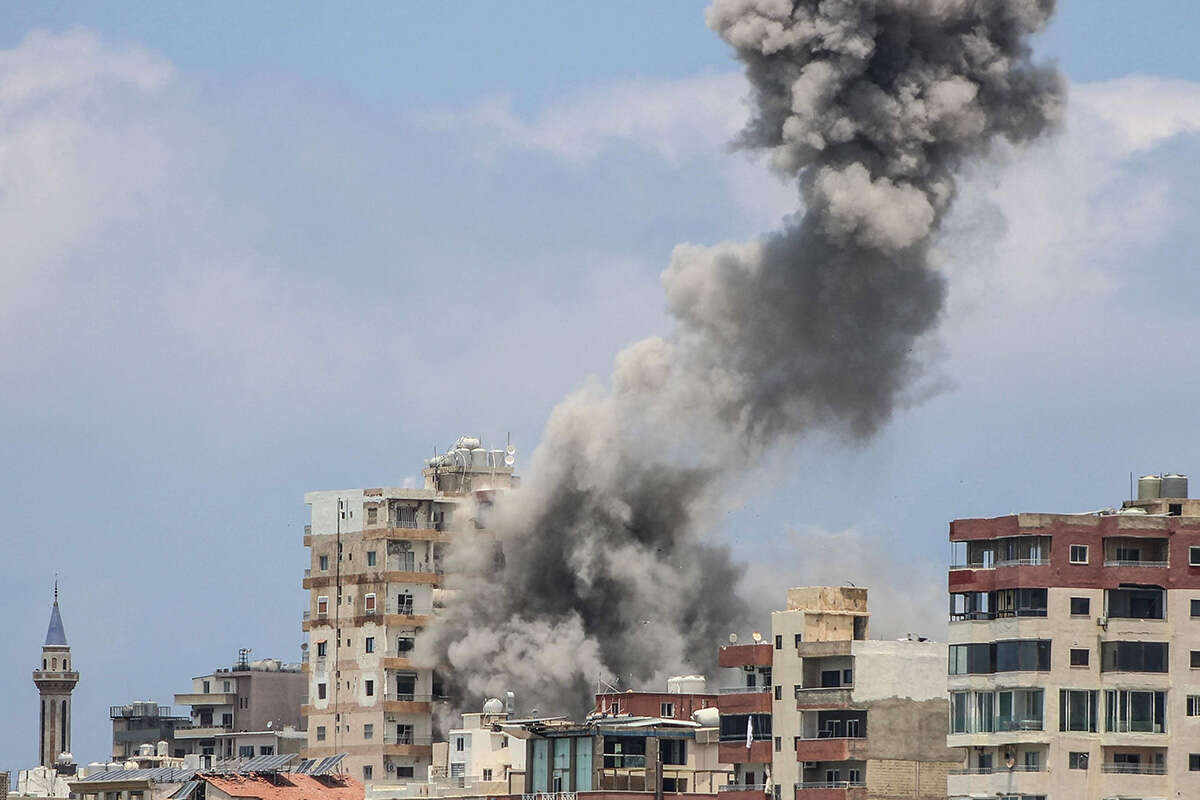
"In the long campaign against Iran, we dealt severe blows to the Iranian leadership, its defense and attack arrays, its nuclear components, its economy, its chain of command and knowledge, and its military and national industry, while significantly reducing the threat, lengthening the duration of recovery and preserving the ability to return and act in Iran as required," Tischler wrote about the achievements of the war against Iran.
In conclusion, Tischler wrote: "We continue to look ahead, to ensure the existence of the State of Israel and the security of our citizens. This is our mandate, this is our responsibility."
Tischler was referring to last week's "17-hour" round. Iran, as recalled, attacked Israeli territory after Israel struck in Beirut. The Air Force carried out a first, limited strike, after which a broader strike was supposed to follow, but was canceled at the last moment, as Tischler said. This came against the backdrop of US President Donald Trump's call with Prime Minister Benjamin Netanyahu that evening, during which, according to reports, the president was angry and even warned Netanyahu: "You will be left alone."