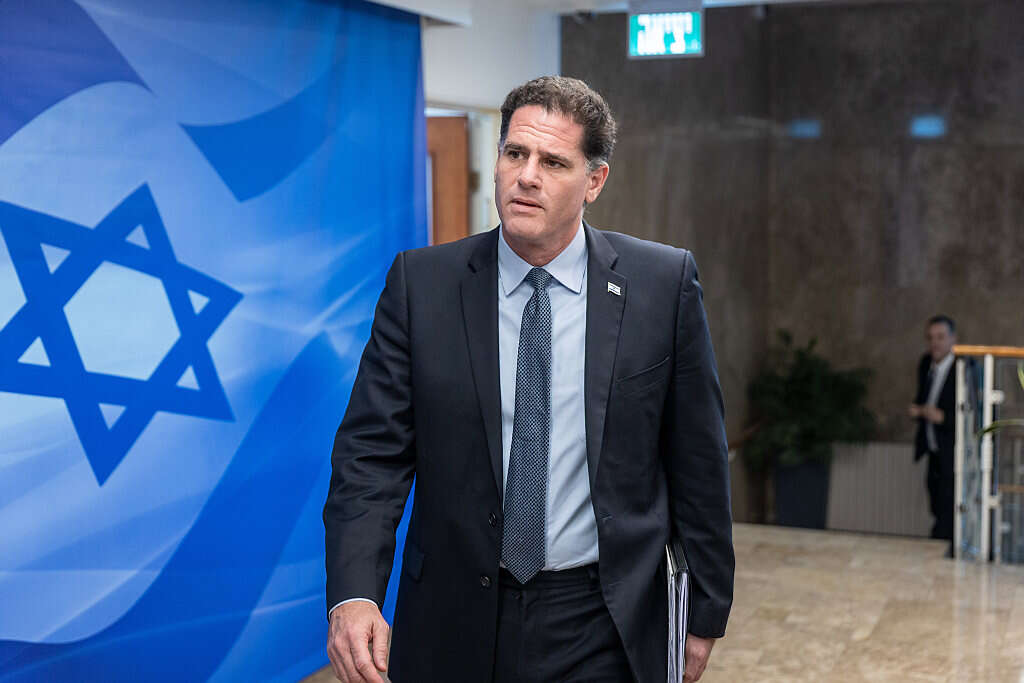
Ron Dermer, the former minister and confidant of Prime Minister Benjamin Netanyahu, and one of the senior architects of Israeli policy in recent years, attended a United Hatzalah gala in New York overnight between Monday and Tuesday, where he received the "Hero of Israel" award.
Addressing concerns surrounding the US memorandum of understanding with Iran, Dermer said, "Sometimes we get so lost in the specific events taking place in the news that we don't take a step back and understand strategically where we are." According to him, "Two and a half years ago, on Oct. 7, Iran posed an existential threat to Israel." He noted that Iran had three main sources of power: its nuclear program, its ballistic capabilities, and its proxies in the region, namely Hezbollah, Hamas and the Houthis.
"Nearly three years later, Iran's military nuclear capability has been destroyed," Dermer said. "What they had buried in several underground sites is highly enriched material buried underground. That's it." He said Israel had struck centrifuge production sites, enrichment facilities, conversion facilities and the scientists who worked to build "weapons of mass destruction." As for the ballistic capability, he said it had been "set back by several years," and that in the latest operation, missile production capability had been set back "maybe four or five years." According to him, that time allows Israel to improve its defense systems, including "Iron Dome 2.0."
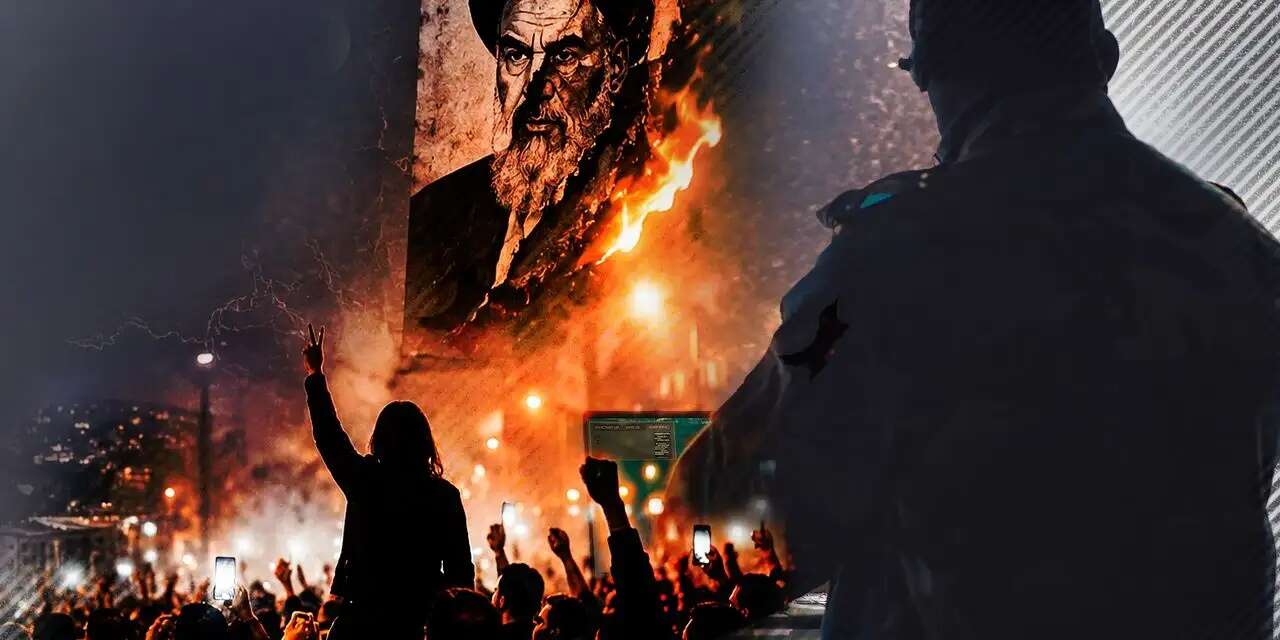
Regarding the understandings with Tehran, Dermer said, "First of all, this is not a nuclear agreement. It is an agreement to release economic pressure, to open the Strait of Hormuz and to end the blockade. That is all it does." He added that Trump and his team believe that within "two weeks, three weeks," it will become clear whether a nuclear agreement can be reached, but clarified, "Count me among the skeptics who doubt they will succeed in making a nuclear deal, because I don't see Iran making those concessions. They did not make the concessions under pressure, and I don't think they will make them under less pressure." He said a good agreement would be one that removed all enriched material from Iran, dismantled the enrichment facilities and eliminated the enrichment program "for a generation." However, he added, "I doubt that will happen ... Take a deep breath. This is a corridor that may lead to something else in the future. In the meantime, Iran is far weaker than it was."
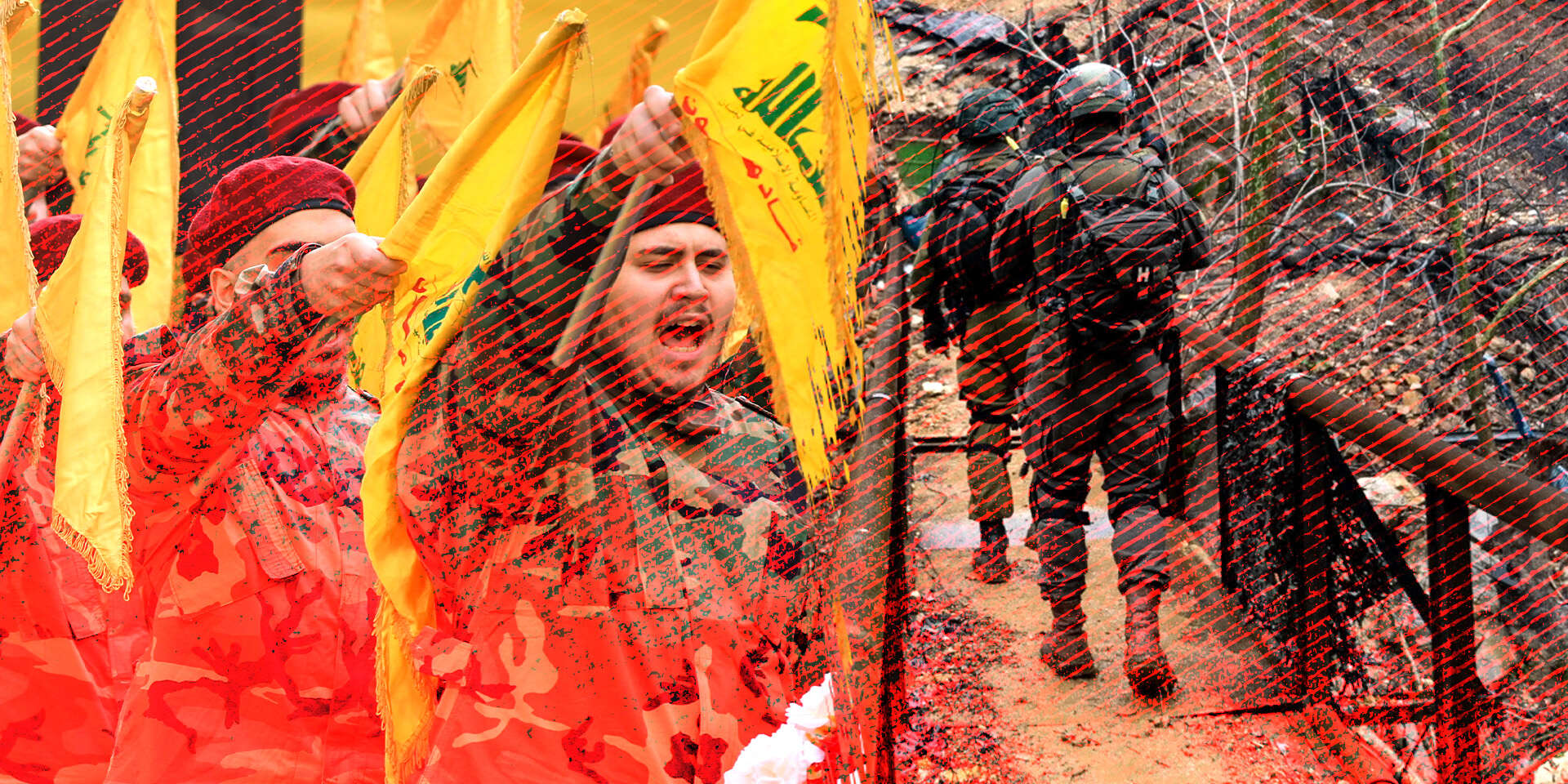
Dermer later addressed the Lebanon front as well. "Hezbollah is not the force it was on Oct. 7," he said. According to him, the organization still retains some capability, but "maybe 25% of what it had before." He warned that in order to "finish the job" against Hezbollah, as long as the Iranian regime remained on its feet, Israel would have had to "conquer all of Lebanon" and remain there for a prolonged period, including controlling the external border with Syria. "We would need an army about twice the size of the Israel Defense Forces. Understand that this is what we would have had to do," he said.
Dermer said a key lesson from Oct. 7 was that "Israel will not allow a terrorist organization to build up power on our borders. It will not happen." According to him, the latest ceasefire with Lebanon differs from the one in 2006 because Israel received American backing to act against emerging threats. "This ceasefire was a disaster for Hezbollah," he said. "Between November 2024 and March of this year, Hezbollah lost 450 terrorists. The number of soldiers killed, the number of civilians killed on this front: zero. This is a good ceasefire. They stop, we fight." He said the prime minister had made clear to the US administration that Israel would need to act to prevent Hezbollah from rebuilding its strength, and that he believed "the administration appreciates that."
On Israel-US relations, Dermer said Israel would be "the most important ally of the United States in the 21st century," mainly because of security and technology. "You need a power in the region that can project and protect American interests and American power. That power is Israel," he said. Addressing criticism from the American right, including the anti-Israel conservative commentator Tucker Carlson, Dermer said the claim that Israel does not serve the American interest was "absurd." According to him, "Israel is the best ally the United States has anywhere." He also said that in the strategic competition with China, "if you are the manager of America ... the first thing on day one is to buy Israel," because of the advantage Israel provides in cyber, artificial intelligence, autonomous vehicles and other technologies. "Countries are ultimately held together by interests," he concluded. "Israel is important to America's national security and to America's national prosperity."
In the section dealing with negotiations for the release of the hostages, Dermer described the dilemma as "gut-wrenching" for Israeli society and the government. "On the one hand, you have to bring all the hostages home. That is a clear objective. On the other hand, you are also responsible for the security of 10 million citizens of Israel." According to him, there were those in Israel who said the focus should be on the war and the hostages should be given up on, while others said the war should be given up on in order to bring the hostages home. "My position is that you can both conduct the war and bring the hostages home. The key was a combination of military pressure and diplomatic pressure. That is the magic formula." He added that Hamas wanted to negotiate for "10 years," and that the controversial decision to send the Israel Defense Forces into Gaza City "opened the way to a deal." At the same time, he said, diplomatic pressure was needed from President Donald Trump, envoy Steve Witkoff and Jared Kushner, while enlisting all the players in the region, "including the pro-Hamas actors, Qatar and Turkey." According to him, "The war ended on Israel's terms," but "the work is not over. Anyone who thinks Israel will leave Hamas armed, two or three kilometers from our population, is fooling themselves."
At the end of the interview, former hostage Bar Kuperstein came on stage and thanked the participants and those who worked for his release: "I was there for two years, and now I am here. Thank you." Dermer addressed him directly and said the images of the hostages had become part of the extended Israeli family. "I don't believe there has ever been a happier day than that morning when 20 hostages, including Bar, entered Israel. The whole country looked as if it had grown by three meters." He added, "The entire world mobilized for you and put pressure on governments. They did not forget you. This audience did not forget you. You are deep in our hearts." Dermer said he had met Kuperstein's family in his office and told him, "For me, you were a larger-than-life figure." He concluded, "The Jews are not only a people and a faith, we are a family. Welcome to Jerusalem, welcome to New York."