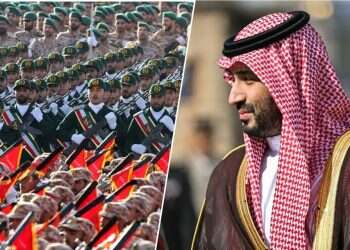
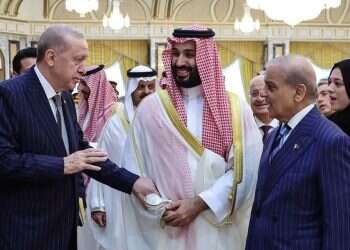
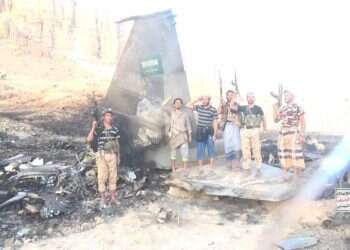
Iran was behind Hezbollah's overnight attack, in which four Armored Corps soldiers were killed and others were wounded overnight between Thursday and Friday, political and diplomatic sources told Israel Hayom.
According to the sources, Israel warned the Americans in advance that linking the memorandum of understandings to the situation in Lebanon would lead to an escalation in the confrontation with Hezbollah, and that Iran would initiate attacks to create a crisis and deepen the rift between Jerusalem and Washington.
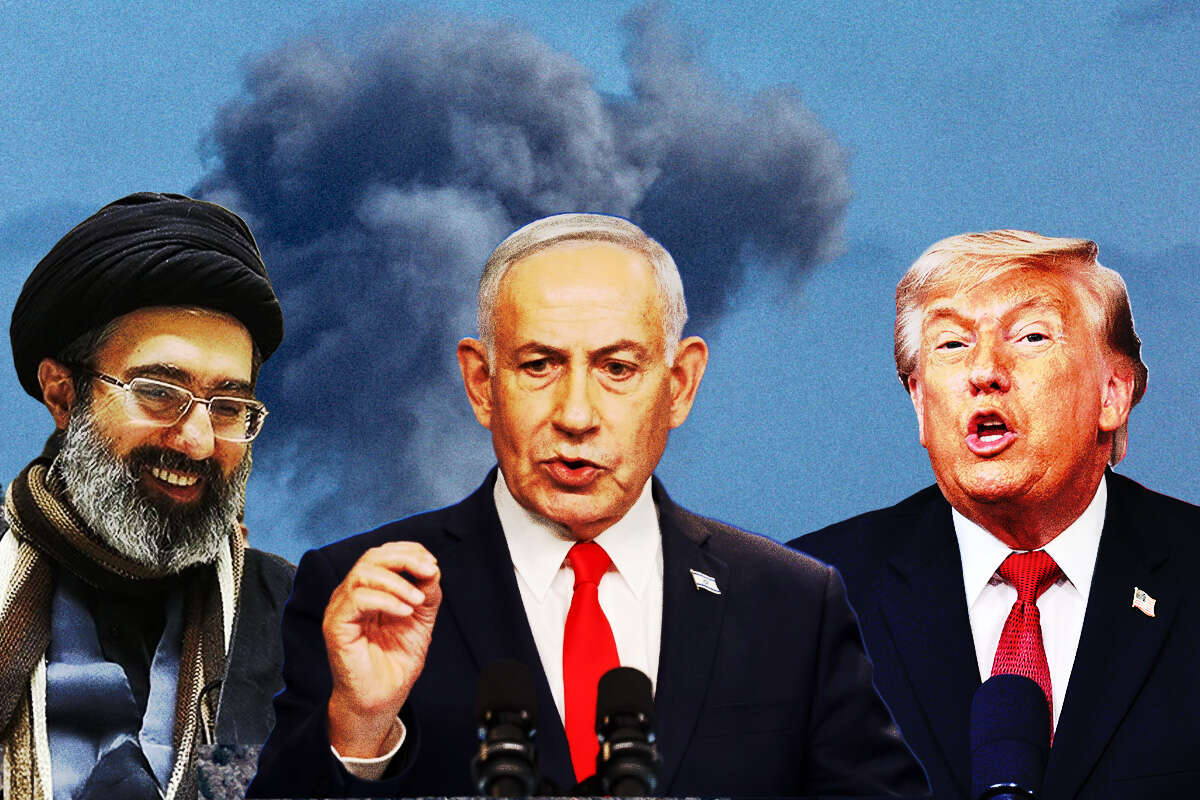
According to one diplomat, who is not Israeli, Iran planned the crisis and the postponement of the signing in Switzerland in advance, after President Donald Trump publicly signed the memorandum of understandings, binding the US.
In doing so, Iran received the immediate benefits of the agreement: the lifting of the US naval blockade, the removal of sanctions, and the sharp shift in US policy and rhetoric in favor of the agreement and against Israel.
Will Beirut receive immunity?
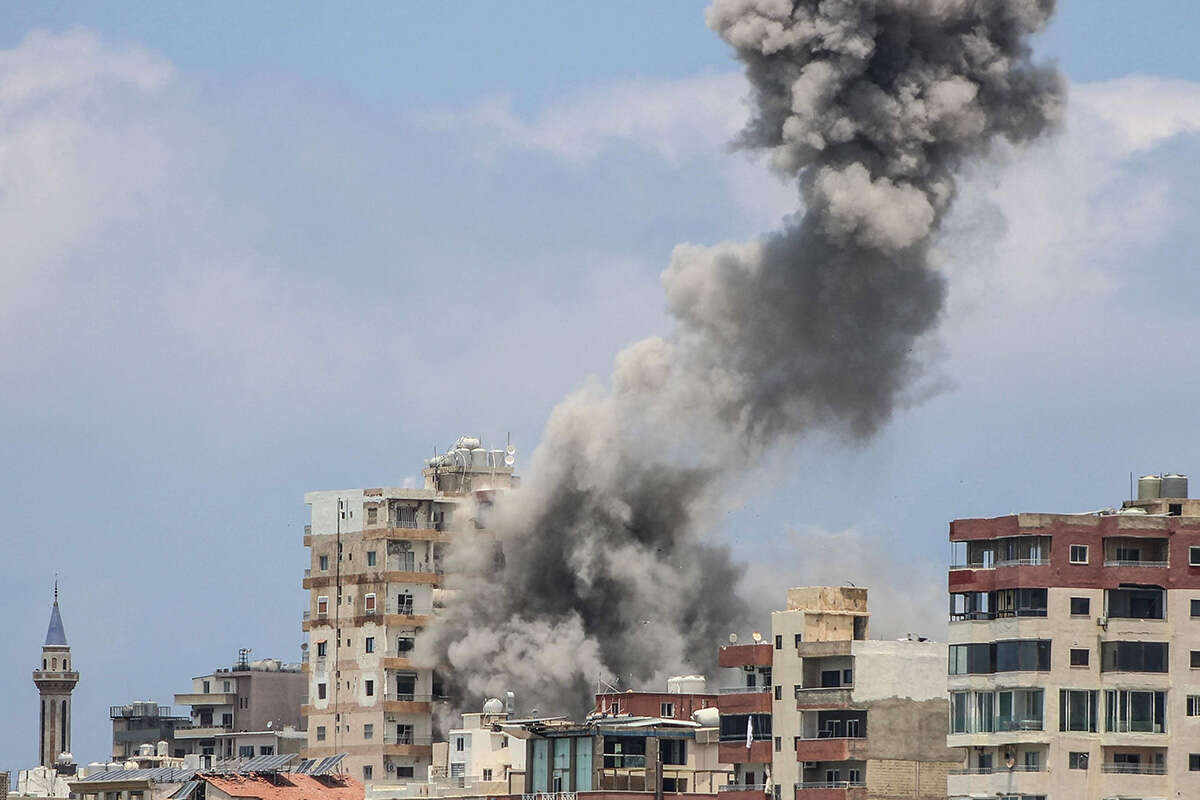
A political source said the message conveyed to the Americans after the overnight attacks included a list of Hezbollah ceasefire violations and a clarification that Israel would respond very forcefully. However, Beirut has still not been attacked and apparently will not be attacked, at least not intensively.
Such a strike is precisely Iran's goal. Tehran knows that the US, as was suggested by President Trump's remarks this week and by direct messages, strongly opposes attacks on buildings in Beirut. According to reports, claims and leaks initiated by the Iranians, the strike in Beirut earlier this week nearly derailed the finalization of the memorandum of understandings.
Criticism in the cabinet
Meanwhile, criticism is mounting in the Israeli cabinet over the policy of "limited responses" in southern Lebanon led by Netanyahu under US pressure. A senior minister told Israel Hayom, "We must not be dragged into a reactive policy against Hezbollah. We need to exact a heavy price from the State of Lebanon itself and exact a heavy price. These things were also said in the cabinet. We need to increase the pressure on the State of Lebanon as well, so that it in turn pressures Hezbollah."
The minister also criticized the expectations from the talks between Israel and Lebanon, which he said "are creating some tension between the government in Lebanon and Hezbollah," but not producing an effective result on the ground. The minister also acknowledged that Israel was limited in its ability to operate in Lebanon as it wished because of the American demand.
There is criticism among cabinet ministers over the policy of "limited responses" in Lebanon. A senior minister told Israel Hayom, "We must not be dragged into a reactive policy against Hezbollah. We need to exact a heavy price from the State of Lebanon itself and exact a heavy price. These things were also said in the cabinet. We need to increase the pressure on the State of Lebanon as well, so that it in turn pressures Hezbollah."
Despite this, CNN reported that the US had "conveyed" to Iran a message that Israel would not escalate its strikes in Lebanon. A source familiar with the details was asked whether the US would provide such guarantees and said, "Hezbollah violated the ceasefire. Israel agreed to let it go, and that is what was conveyed to the Iranians, and Hezbollah must stop."