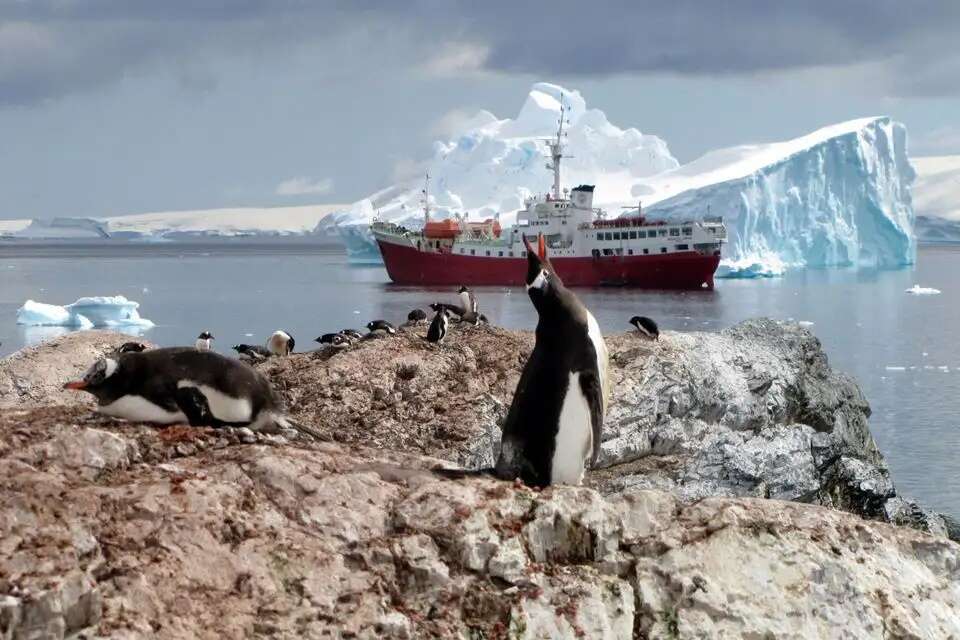
Could the hope for finding a cure for cancer lie in the icy continent of Antarctica? The answer may prove to be yes, at least when it comes to the fight against melanoma. The research team, which included Bill Baker, a chemistry professor at the University of South Florida, studied invertebrates from the ascidian family that live on the seabed around the continent. These invertebrates host special bacteria that produce a unique chemical compound, palmerolide A, which can target cancer cells without also harming the healthy cells around them.
Baker explained that many marine organisms living in Antarctica's freezing waters cope with the harsh environment by developing a range of chemical defenses. These defenses help them contend with the cold, predators and various diseases.
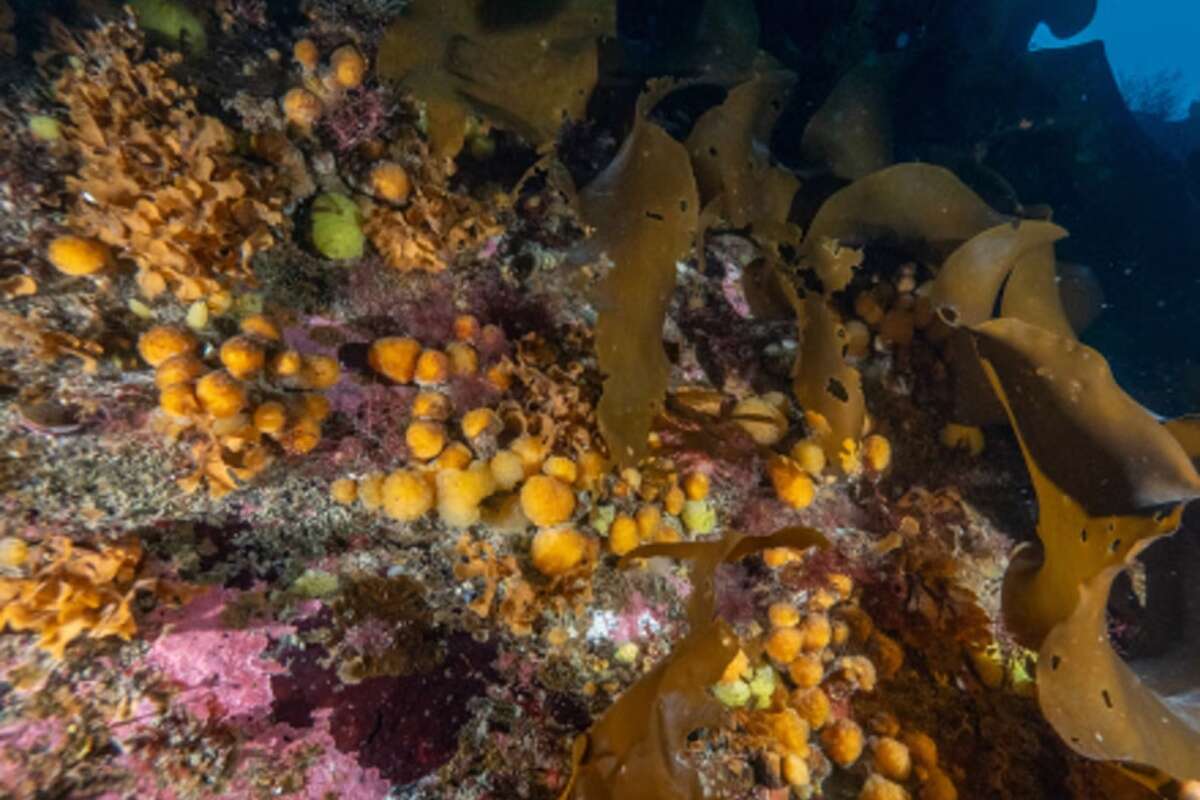
"The continent is unique because it is geographically and environmentally isolated, and has been isolated for millions of years," Baker said. "As a result, Antarctic species have had time to evolve independently, leading to highly specialized organisms. The ascidians are particularly adapted to this environment and are not found anywhere else." Baker added that the team wanted to gain a deeper understanding of how the bacterium lives inside its host organism and how that activity is linked to melanoma.
The latest expedition diving in the icy waters focused on where the bacterium can be found and how widespread it is. The researchers found that the bacteria live at depths of 18 to 24 meters (59 to 79 feet), often on sloping or vertical seabed surfaces where strong water currents flow. At those depths, the currents carry nutrients that also enable the organisms to thrive.
The researchers hope to gain a deeper understanding of how the compounds are produced naturally by the bacterium, as well as whether they can eventually be harnessed for medical applications. "This research is highly important both environmentally and medically. We are learning how organisms use symbiosis to survive in extreme conditions, something that is still largely unknown in cold-water ecosystems such as Antarctica. Understanding the origin and function of this compound is critical if we hope to develop it into a drug," Baker concluded.