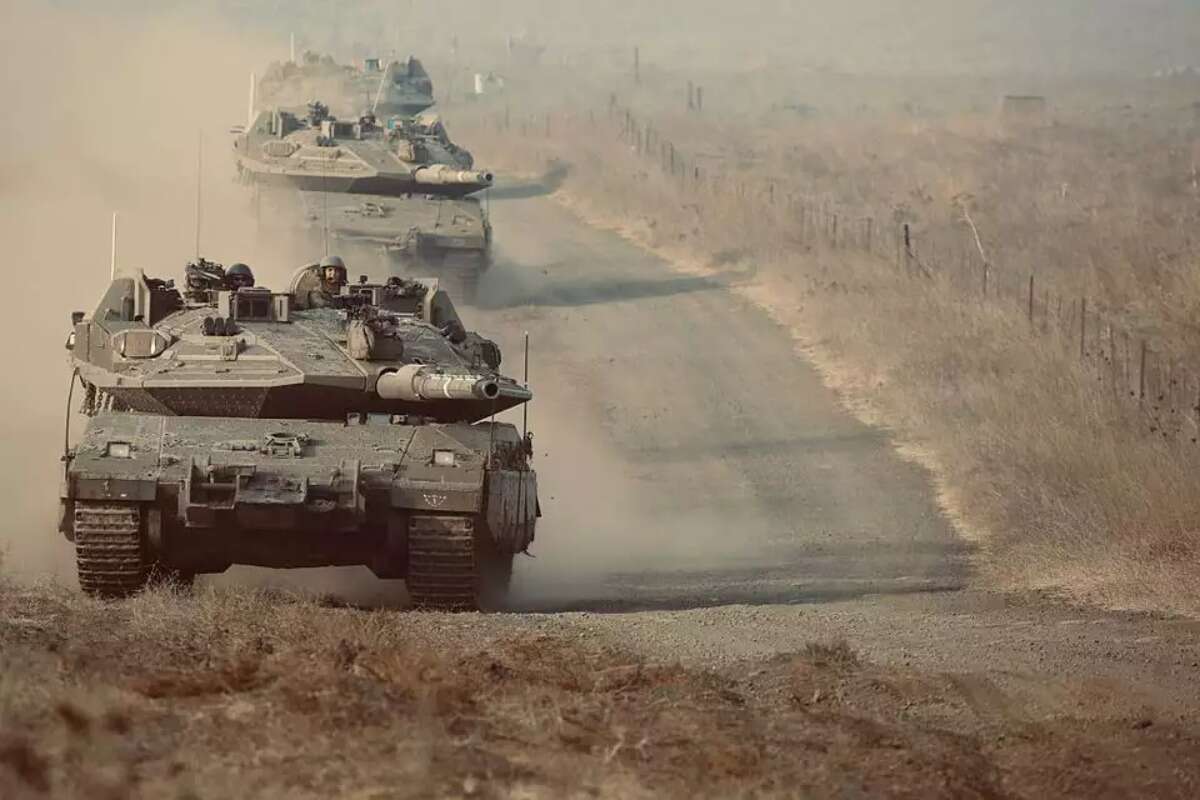
A new survey by the Jerusalem Center for Foreign Affairs and Security points to a clear trend: Most Israelis believe the lessons of Oct. 7 require Israel to maintain buffer zones, strategic depth and an Israeli security presence in vital areas. A large majority of the Israeli public supports buffer zones in Gaza, southern Lebanon, along the Syrian border and in the Jordan Valley.
According to Dr. Dan Diker, president of the research institute, "National security cannot be based on hopes, international guarantees or assumptions that have proven insufficient." The survey also found that 65% of Israelis do not trust international forces to serve as a substitute for the defense of the country's borders.

The survey, conducted in cooperation with Lazar Research, headed by Dr. Menachem Lazar, among a representative sample of 503 Jewish and Arab Israelis aged 18 and over, presents a complex picture: 54% of Israelis believe Israel's borders are not sufficiently protected after the Oct. 7 massacre, while only 42% believe they are protected. 56% of respondents said the security failure that enabled the terrorist attack was the result of a combination of factors, rather than a single specific failure.
The survey points to significant distrust of international solutions: 65% of Israelis do not trust international forces to replace an Israeli military presence on the country's borders. Of them, 40% believe only Israel can defend itself, while another 25% cite the historic failure of international forces to provide effective security.
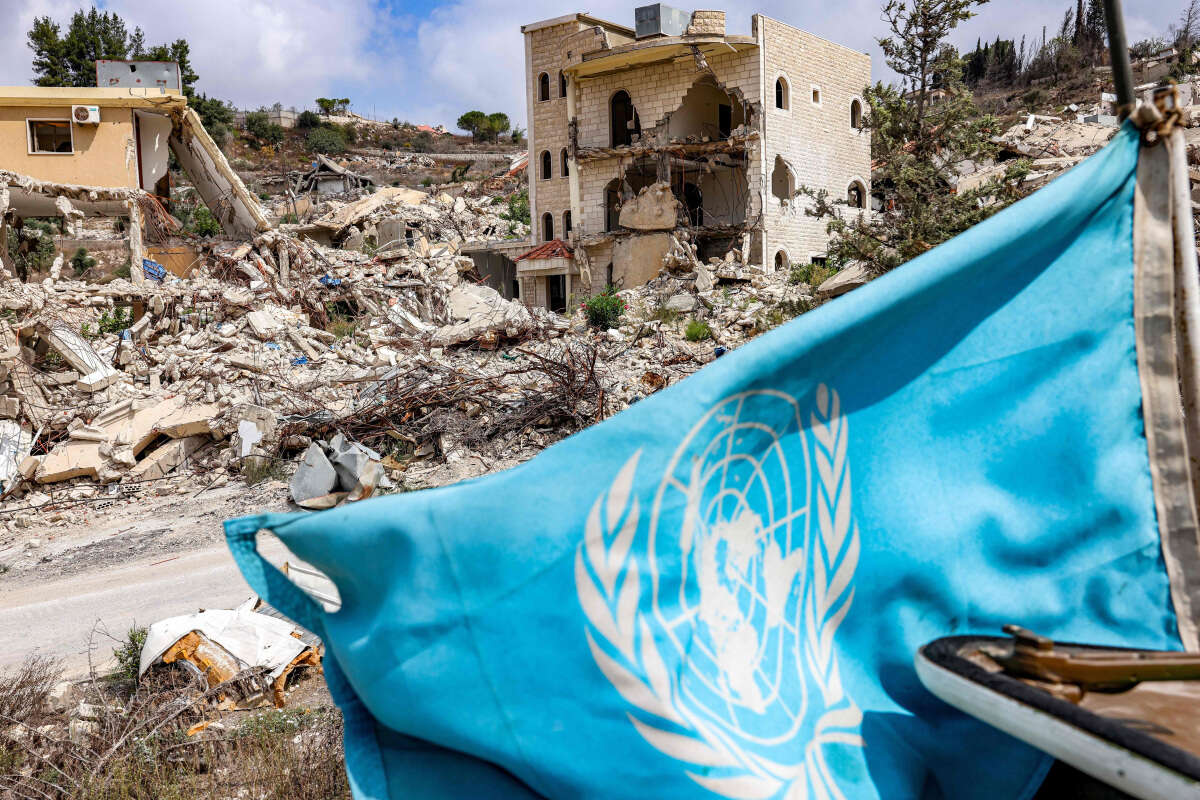
At the same time, the findings reflect a public reassessment of Israel's past withdrawal policies and territorial arrangements: 48% of Israelis now define the Oslo Accords as a strategic mistake, while 56% believe the disengagement plan from the Gaza Strip was a strategic mistake.