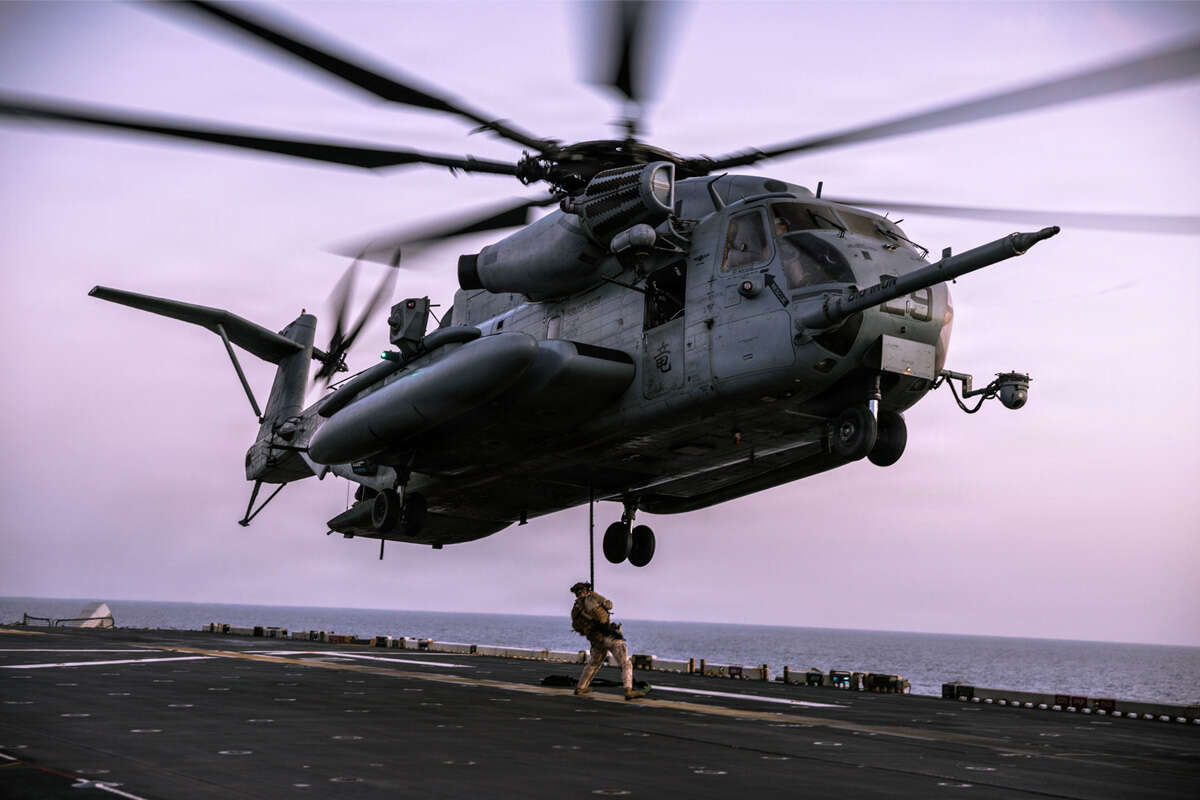
An extensive Wall Street Journal investigation published Sunday revealed that the US is in the midst of reassessing its troop deployment and military presence in the Middle East. Formal discussions began after a series of Iranian missile and drone attacks caused damage that was far more extensive and severe than initially reported, with at least 20 US sites across the region hit to varying degrees. Among the sites that sustained the heaviest blows was the naval support base in Bahrain, the only US naval base in the Middle East and home to the headquarters of the Fifth Fleet.
According to the findings, between late February and June, the base in Bahrain became a preferred target for repeated attacks by the Iranian military. Direct hits caused extensive destruction to the command headquarters and at least a dozen other buildings, as well as knocking out two vital satellite communications terminals. Although the US military said the attacks did not significantly disrupt operational continuity and that there were no fatalities at the base, Washington decided to evacuate most personnel from the site and leave only a reduced force on the ground.
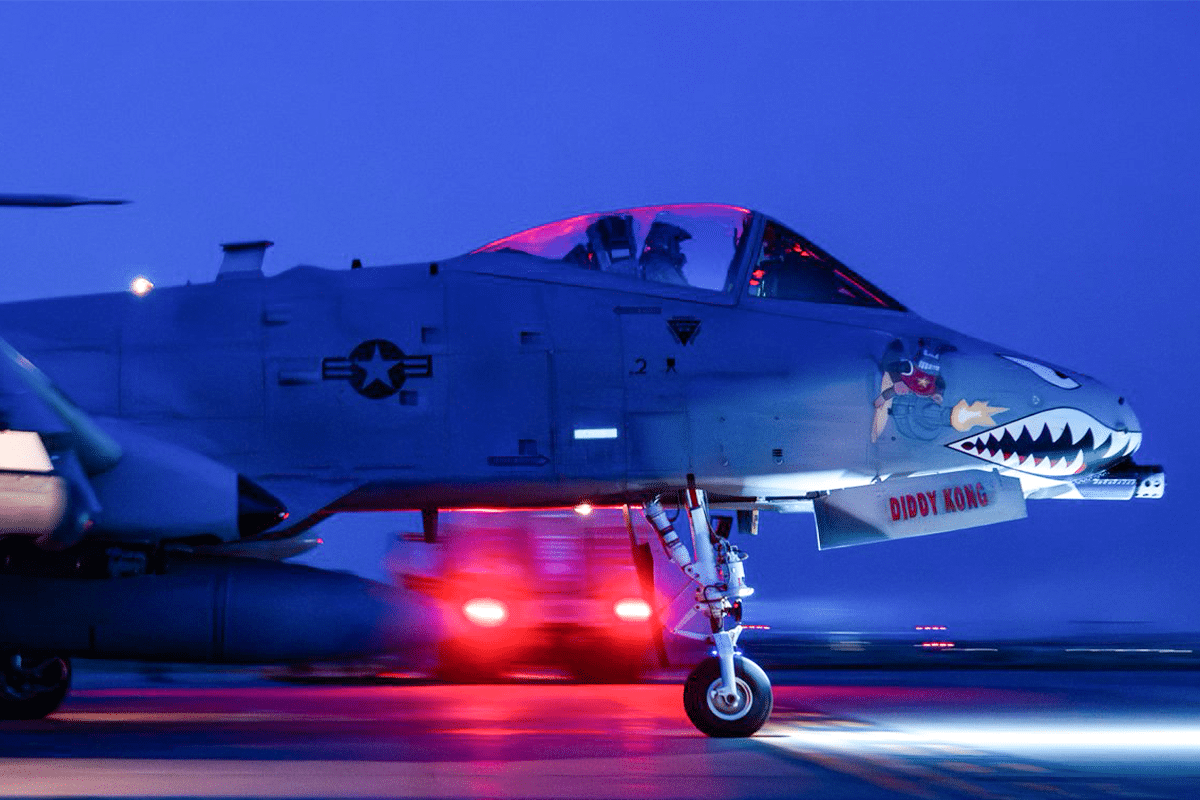
The strikes exposed the growing vulnerability of the long-standing Gulf bases, which were built well before Iran acquired the arsenal of precision missiles and drones it has today. Officials involved in the internal discussions said that as a result, the military is now considering major structural changes at the Bahrain base, reducing its military presence in Kuwait and Saudi Arabia, and moving some operational functions westward, beyond Iran's direct firing range.
Under the emerging plans, destroyed buildings may not be rebuilt, command-and-control centers would be moved into fortified underground compounds, and military capabilities would be dispersed across the region to make them harder to attack. Two officials also said Israel is one of the locations being seriously considered for relocating some of the activity, though they stressed that no final decisions had been made.
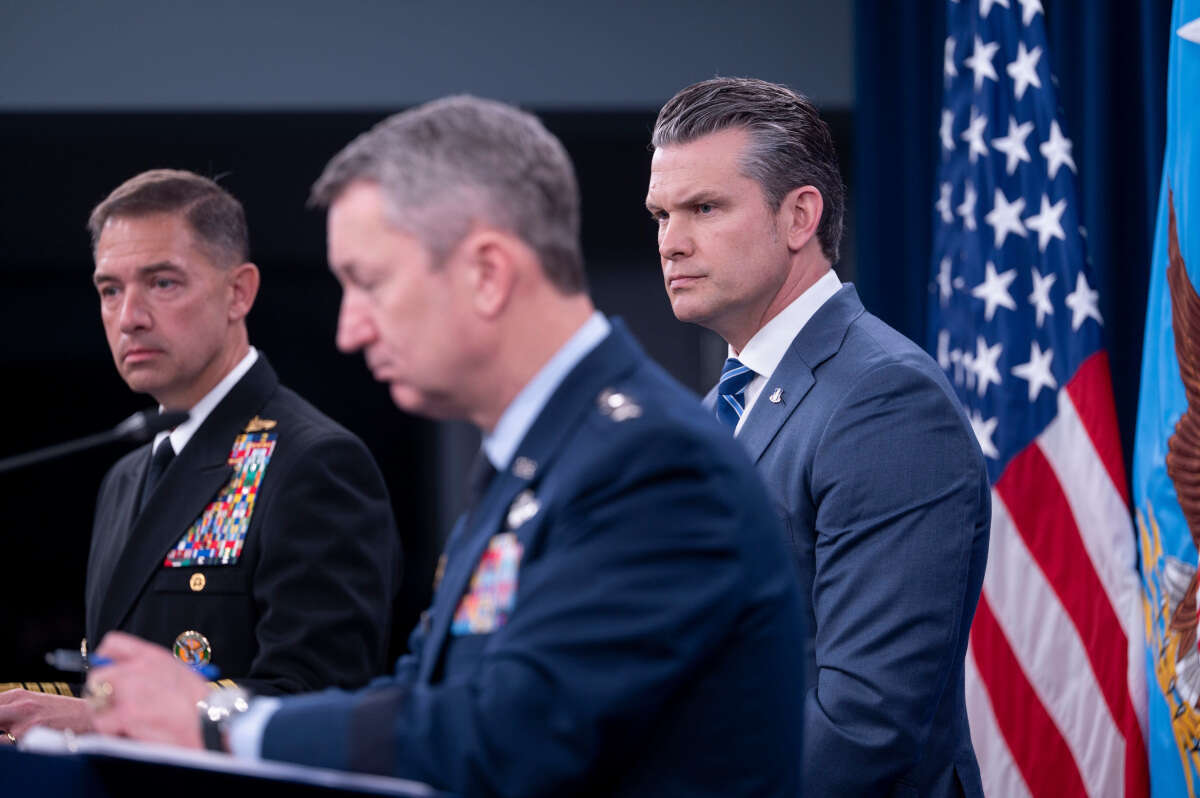
Beyond the operational challenge, the Pentagon is also facing a heavy financial price tag, much of which has so far remained out of public view. Jay Hurst, the Defense Department's budget director, recently acknowledged to Congress that the official estimate of the war's cost, which at the time stood at about $29 billion, did not include physical damage to bases. When Defense Secretary Pete Hegseth was asked at a congressional hearing for a precise cost assessment of the destruction, he responded with a rhetorical question, asking what the price would be if Iran obtained a nuclear weapon.
However, a Wall Street Journal analysis, based on a Defense Department cost model and public procurement reports, estimates that rebuilding structures similar to those damaged in Bahrain alone would cost about $400 million, not including the cost of clearing debris or future fortification. At the same time, a report by the Center for Strategic and International Studies presented an even bleaker picture, saying the total cost of the war had already climbed to about $40 billion, a figure that includes an estimated $2.2 billion to $5.1 billion in direct damage to US bases across the region.
Despite criticism over the lack of preparedness and the exposure of the facilities, US Central Command is defending its conduct during the current round of fighting. Capt. Tim Hawkins, the command's spokesman, stressed that throughout the campaign, the top priority had been protecting human life rather than preserving buildings and infrastructure.
According to Hawkins, that strategy proved to be a clear success: Although Iran launched more than 8,000 missiles and unmanned aerial vehicles at US targets, only two strikes resulted in casualties among the forces.