The United States carried out additional strikes on targets in Iran, US Central Command announced Sunday. The strikes, carried out on June 27 at the president's direction, came amid an escalation in the naval confrontation in the Strait of Hormuz and continued attacks on commercial vessels.
In response, the Iranians fired at American targets in Bahrain and Kuwait. Sirens were also heard in Bahrain shortly before 7 a.m. Israel time.
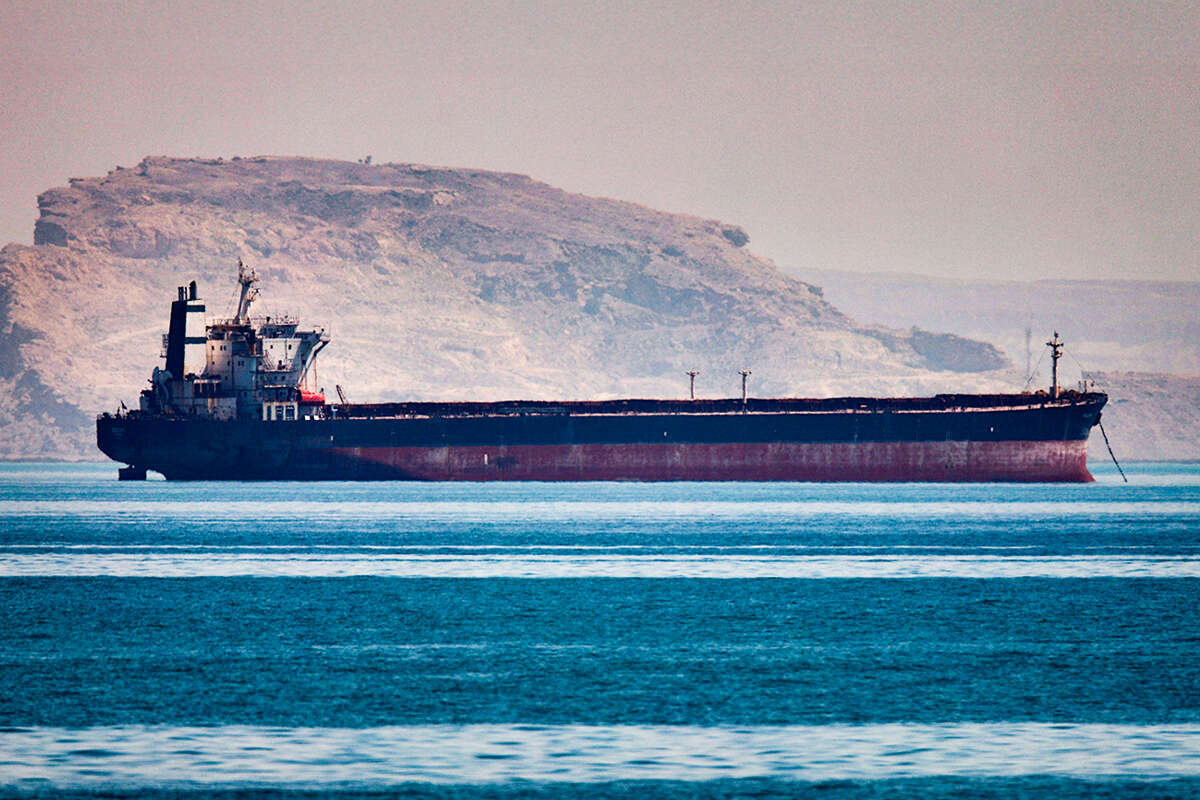
According to the statement, the US move came after Iran failed to honor the ceasefire and launched an attack drone in the morning that hit the M/T Kiku oil tanker. The Panama-flagged tanker was sailing in the Strait of Hormuz with more than 2 million barrels of crude oil on board.
U.S. Navy and Air Force fighter jets conducted strikes tonight on 10 Iranian military targets at multiple locations in and near the Strait of Hormuz for Iran's drone attack on M/T Kiku. pic.twitter.com/Z0TLZRqmF6
— U.S. Central Command (@CENTCOM) June 28, 2026
Iran, for its part, said US airstrikes targeted several monitoring and surveillance facilities on Iran's southern coast, calling the strikes a violation of an interim agreement meant to end the four-month war between the two countries. "These brutal attacks ... show that the US attaches no value or credibility whatsoever to its commitments, and that breaking promises is part of its nature," the Foreign Ministry said in a statement.
A senior US official told Fox News that the US military was striking air defense systems, drone warehouses, cruise missiles, guidance radars, mine-laying capabilities and surface-to-air missiles.
The official added that "Iran responded last night with attacks against American forces in Bahrain. US and Bahraini forces jointly intercepted nine Iranian suicide drones. No damage was caused and there were no casualties."
CENTCOM stressed that the strikes targeted key Iranian military infrastructure, including surveillance, communications and air defense systems, drone storage facilities and mine-laying capabilities, in direct response to what it described as "continued aggression against commercial shipping."
Despite the escalation, maritime traffic in the Strait of Hormuz continued as usual. The US military said its forces in the region remained on high alert: "Vigilant, lethal and ready to act at any moment."
A senior official in the US defense establishment explained that one of the reasons the US was forced to strike Iran again was Tehran's restoration of capabilities since the end of the US bombing operation on April 7. According to the official, after the wave of US strikes that began at the start of the confrontation in late February, Iran began rebuilding its air defense and missile arrays in the Strait of Hormuz area.
The source added that, as a result, the latest strikes again had to focus on areas such as Qeshm Island and Sirik, sites that had already been attacked earlier in the fighting.
After the strike, US President Donald Trump said on social media that US Air Force planes had struck Iranian missile and drone storage sites and radar sites along the coast, following what he described as Iran's violation of the ceasefire agreement. He also wrote that the US might have to "forced to militarily complete the job that we very successfully started," adding an unusually stark warning that "the Islamic Republic of Iran will no longer exist" if the situation deteriorates.
As stated, against the backdrop of the US strike, the Iranians responded by firing missiles and drones at American targets in Kuwait and Bahrain, while Kuwait's air defense systems operated overnight to intercept and counter what was described as a "hostile" missile and drone attack.
The Islamic Revolutionary Guard Corps claimed responsibility for the attacks. According to a report by a news agency, it said: "Any vessel that violates sovereignty will be dealt with with greater force. Any aggression by the enemy will receive a crushing response."
On Saturday, US Central Command forces carried out targeted overnight strikes against sites in Iran in response to an Iranian attack a day earlier on a commercial cargo ship passing through the Strait of Hormuz.
Hours before the strike, Trump hinted at the move when asked by reporters whether the US would respond to the Iranian attack. "You'll find out," he said. Asked why he thought Iran had attacked the ship just as talks were progressing, Trump said, "They're a little different. For 47 years, no president has done what we're doing. You just ask the question, and you'll find out."