A severe constitutional crisis erupted after the government informed the High Court of Justice that it would not comply with its ruling on the composition of the Second Authority for Television and Radio Council, deepening the confrontation between Israel's executive branch and judiciary.
In a statement, the government said it had unanimously approved a proposal by Communications Minister Shlomo Karhi and Deputy Prime Minister and Justice Minister Yariv Levin, under which the government would not recognize any decision, approval, appointment or action carried out by the Second Authority Council as long as it did not meet the threshold conditions set by law.
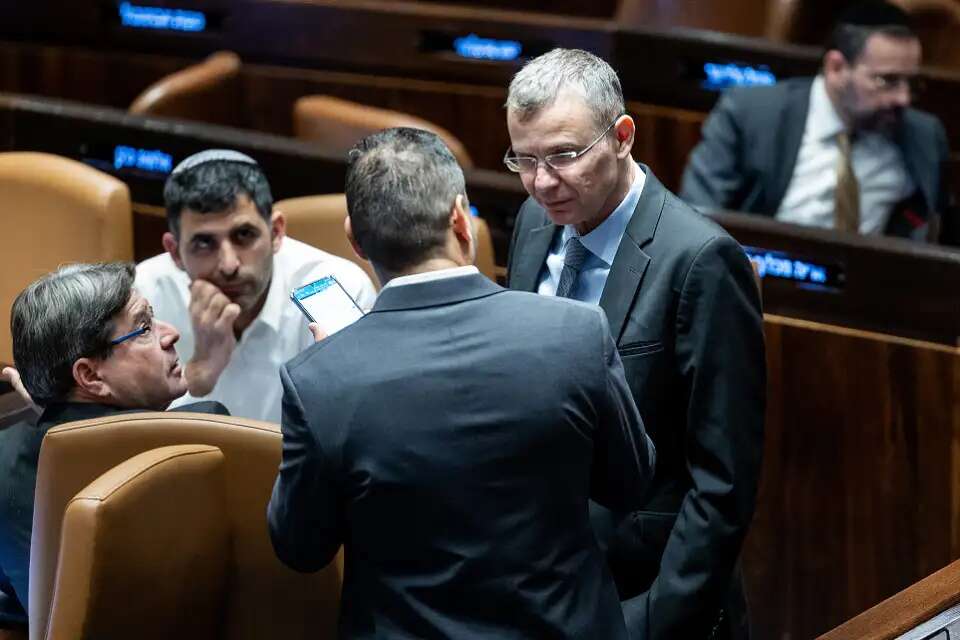
The decision prompted a wave of harsh responses from President Isaac Herzog, senior Israeli opposition figures, members of the justice system and media organizations, who warned of damage to Israel's rule of law and the foundations of its democracy.
President Isaac Herzog said, "Statements about disobeying Supreme Court rulings strike at the core of the unity of the people. I have already made clear, and I will repeat it again and again: Disobeying a court ruling is a red line that must not be crossed under any circumstances."
Former Prime Minister and Yachad party Chairman Naftali Bennett attacked the government's decision, writing, "Disobeying a court ruling brings anarchy to the streets and the dismantling of our country. Soon we will fix everything. There will be one law for everyone."
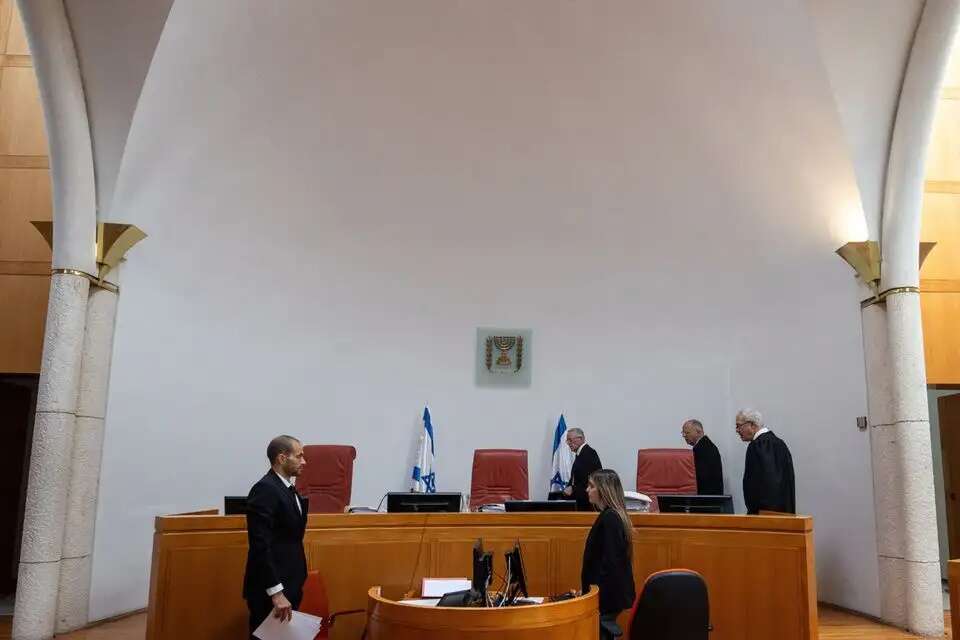
Former IDF Chief of Staff and MK Gadi Eisenkot also criticized the move, saying, "The Israeli government is raising a hand against Israeli democracy. Netanyahu is dividing Israel. The citizens of Israel deserve a government that unites the people, not a government that works to divide it."
Democrats party Chairman Yair Golan said the move amounted to an "operational order ahead of Election Day." According to Golan, the government "knows it has no chance of winning the election and is therefore waging war on the rule of law." Golan accused the government of seeking "to normalize disobedience to the court" so that it would later be able to challenge the election results as well. He called on the public "to win the election by a large margin" and vowed that the democratic camp would replace the current government.
The Israel Press and Media Council also issued a harsh condemnation, warning that the government's decision not to recognize the decisions of the Second Authority Council, which is serving under a High Court order, was "leading Israel into a constitutional crisis." The council described the move as "crossing a double red line," both as defiance of the rule of law and the Supreme Court, and as an attempt to paralyze the media regulator in order to take political control of the free press. It also stressed that the government must respect the High Court ruling and stop threatening the independence of the media.