The US military announced overnight Wednesday that it had begun a wave of strikes in southern Iran in response to Iranian fire on commercial ships in the Strait of Hormuz. Iranian media reported overnight on a series of explosions in several waves in Sirik, Qeshm, Bandar Abbas and Kharg.
A statement from the Islamic Revolutionary Guard Corps said 85 US targets in Bahrain and Kuwait had been attacked in response to what it described as "American violations of the ceasefire." In another statement, the IRGC claimed that an MQ-9 drone had been downed in southern Iran.
Meanwhile, Mohsen Rezaei, an adviser to Supreme Leader Mojtaba Khamenei, warned: "Trump intends to attack again. We are fully prepared." Iranian Parliament Speaker Mohammad Bagher Ghalibaf said the US attacks were "serious violations of the memorandum of understanding," as were Israel's continued strikes in Lebanon. "The era of bullying and extortion is over," he wrote in a post on X. "We will not fold."
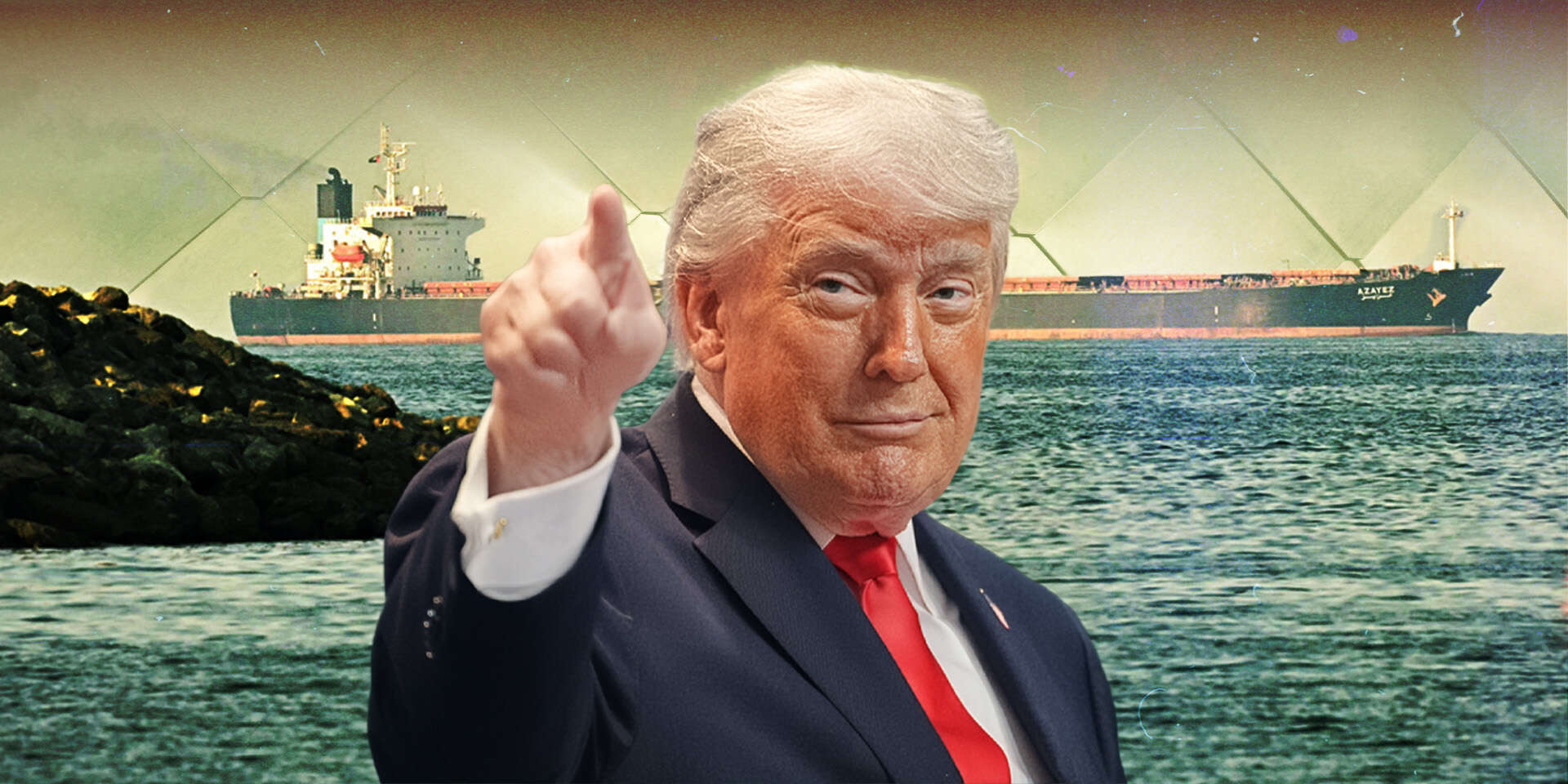
In a statement issued by US Central Command (CENTCOM), it confirmed that the US had struck Iran. The statement said the strikes were intended " impose heavy costs for targeting and attacking commercial shipping crewed by innocent civilians in an international waterway."
It further noted that "the US strikes are in response to Iranian attacks on three commercial vessels that were transiting the Strait of Hormuz. Iran's demonstrated aggression was unwarranted, dangerous, and a clear violation of the ceasefire."
Iran reported overnight that explosions were heard on the island of Qeshm and in the city of Bandar Abbas in southern Iran, areas that had previously been targets of American retaliatory strikes following Iranian fire in the strait. A short time later, another wave of strikes, the second in number, was reported in the Sirik area.
Meanwhile, a senior US official told Israel Hayom that if Iran does not restrain itself and stop trying to prevent tankers from crossing Hormuz, the ceasefire is in danger of collapsing. According to the official, the current American attack is targeting military sites and focuses on facilities connected to fire on ships in the Gulf.
After the second wave of strikes, Iran's Fars news agency reported that the strike in the Bandar Abbas area had hit a fishing pier and set several civilian fishing boats on fire, according to an official at the port. It was also reported that several people were injured by shrapnel at the commercial pier in Sirik.
About two hours after the American strike, Iranian state television reported that Iranian President Masoud Pezeshkian was leaving Iraq on his way back to Iran following the US strikes in the south of the country.
Several hours later, the US military announced in a statement from US Central Command that the new round of strikes against Iran had been completed. It also said the round included strikes on more than 80 targets using precision munitions, including Iranian air defense systems, command-and-control networks, coastal radar sites, anti-ship missile capabilities, and more than 60 small boats belonging to the Islamic Revolutionary Guard Corps in and around the strait, "to degrade Iran's ability to continue attacking international commerce flowing through the international trade corridor."
Suspension of sanctions relief canceled
Earlier, on Tuesday evening, US Treasury Secretary Scott Bessent announced the reinstatement of US sanctions on Iranian oil.
Meanwhile, Iran's Foreign Ministry condemned the US decision to cancel the temporary suspension of sanctions on the sale of Iranian oil, saying that "the decision violates the Islamabad Memorandum to end the war and places responsibility for the consequences on Washington." The ministry in Tehran further said that "Iran will take any step it deems necessary to defend its interests and national security."
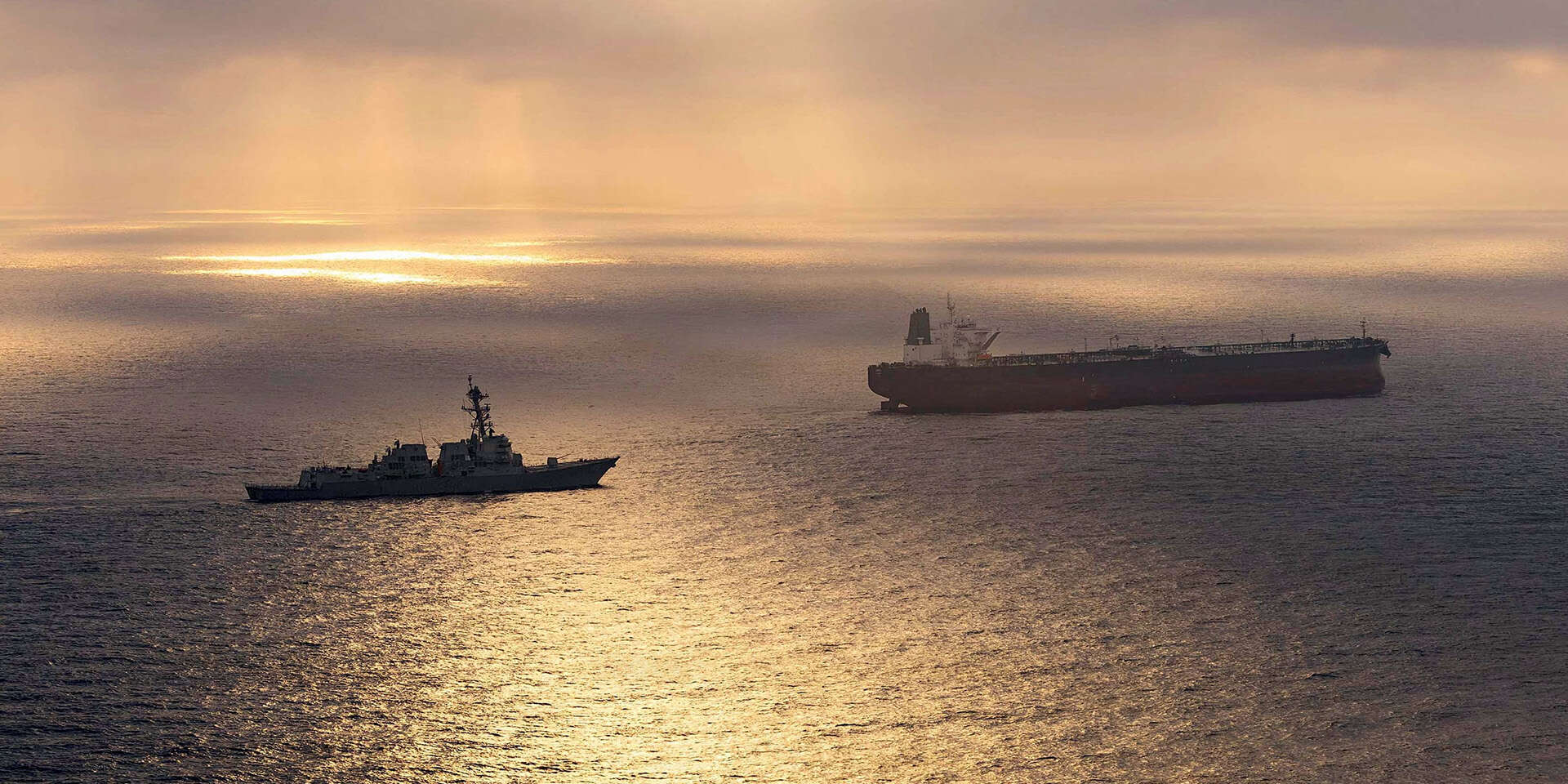
The wave of Iranian attacks on commercial ships began overnight between Monday and Tuesday, when a Qatari liquefied natural gas tanker was attacked near the coast of Lima in Oman, according to the United Kingdom Maritime Trade Operations (UKMTO). Later in the day, a Saudi oil tanker was attacked while crossing the strait, and later UKMTO reported that a third tanker had been struck by a drone and sustained light damage while on its way to its destination port. The attacks were apparently an attempt to block traffic through the "southern route," which passes through Omani waters. Oil prices rose by more than 3% following the announcement that the sanctions waiver would be canceled, and the price of a barrel of Brent crude crossed the $75 threshold.