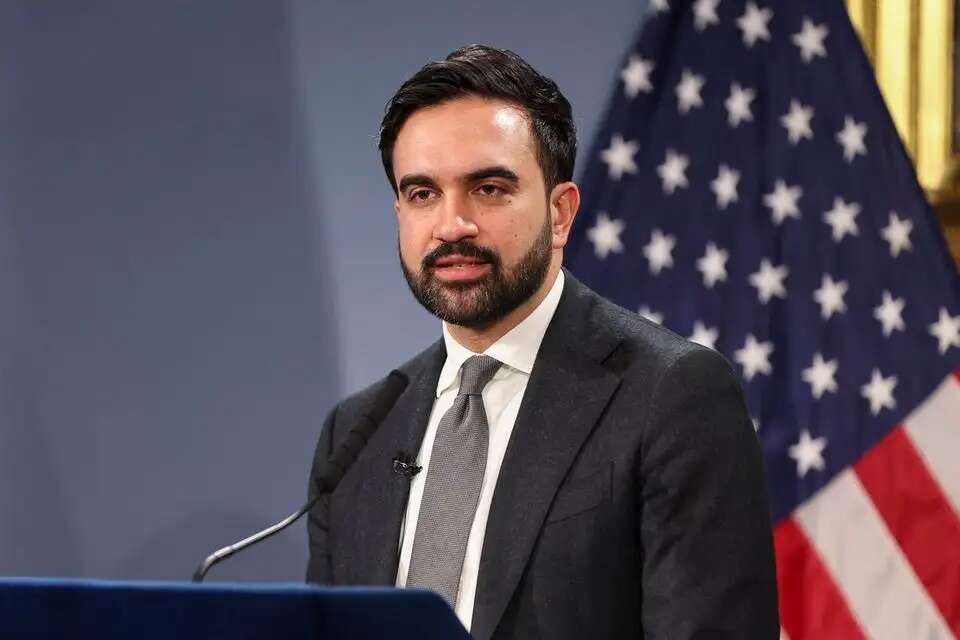
New York City Mayor Zohran Mamdani announced that Little Italy would be added to the city's map of immigrant communities after the omission of the iconic neighborhood sparked an uproar among Italian Americans.
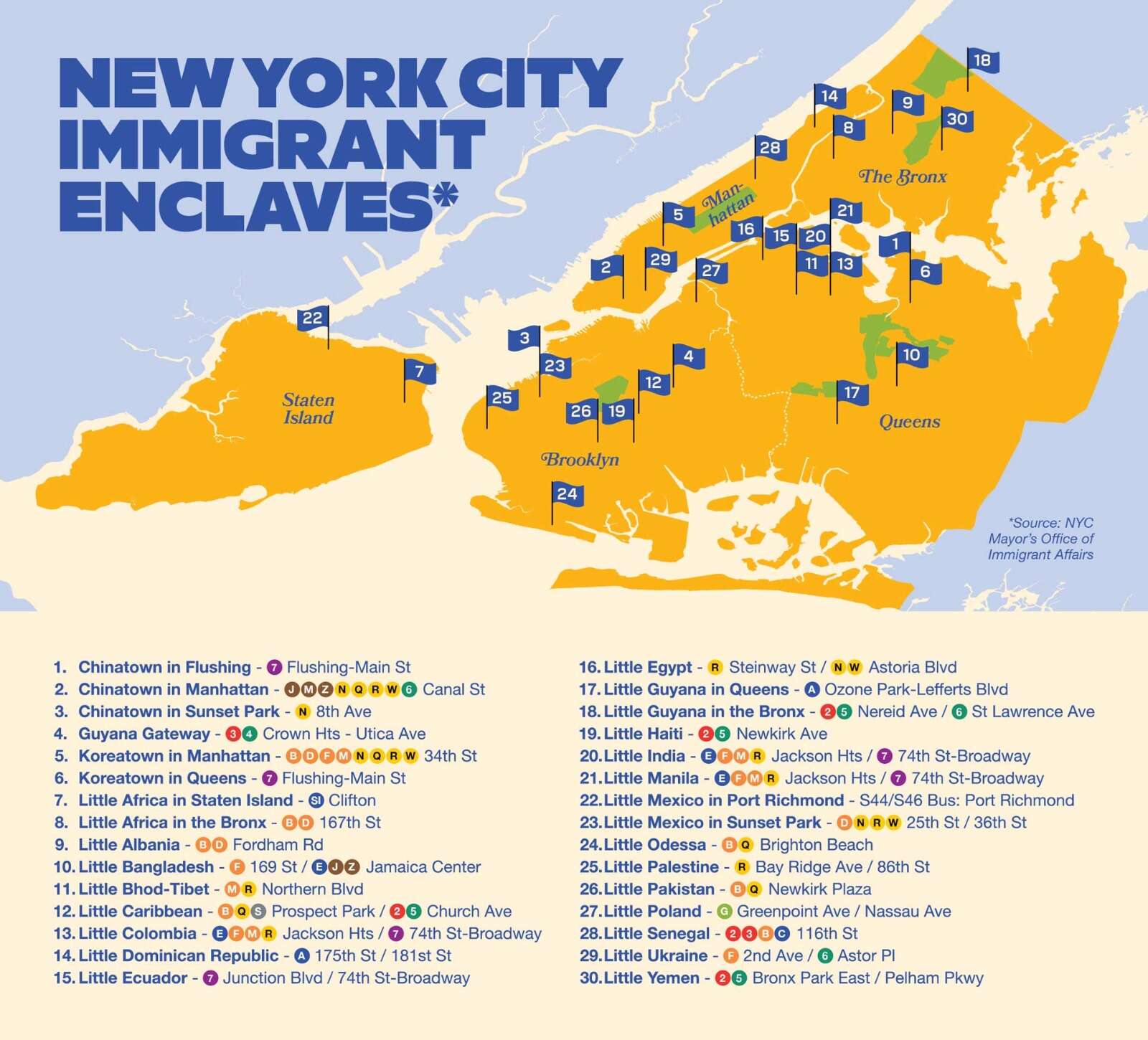
The map, prepared as part of the "Neighborhood Passport" program ahead of the 2026 World Cup, featured 30 ethnic enclaves across the city's five boroughs. It was intended to encourage tourists and residents to visit local businesses and cultural institutions.
Among the areas included were Koreatown, Little Pakistan, Little Yemen, Little Palestine and Little Egypt, but not their Italian counterpart. Neighborhoods associated with the city's Irish and Jewish communities were also not given separate recognition.
The omission of Italian communities prompted particular outrage because of their historic contribution to the city. More than 4 million Italian immigrants arrived in the US between the 1880s and 1924, and about one-third of them settled in New York.
Critics stressed that it was not only Little Italy in Manhattan that had disappeared from the map, but also historic Italian areas such as Belmont in the Bronx, Bensonhurst and Dyker Heights in Brooklyn, as well as communities in Queens and Staten Island.
The City Council's Italian Caucus called the map "incomplete at best and insulting at worst."
"You cannot tell New York's immigrant story while erasing one of the city's most historic and recognizable immigrant communities," the caucus said in a statement. "Italian Americans are not a footnote in New York's history. We are one of its foundational immigrant communities." The caucus added that "honoring one community should never require erasing another."
Mike Crispi, president of the Italian American Civil Rights League, went further, describing the omission as "cultural erasure."
"Little Italy is sacred ground," Crispi said. "It is where Italian immigrants arrived with nothing, worked hard, opened stores, built families and churches, fed the city and helped make New York what it is." The organization demanded that the map be corrected and that a public apology be issued.
Joseph Scelsa, founder of the Italian American Museum, also called the omission "a terrible mistake," adding: "To honor one community means honoring them all."
At a news conference Friday, Mamdani sought to distance himself from responsibility for the controversy. "This map was first created by the previous administration in 2023, and when we inherited it, we added several neighborhoods," he said. "Clearly, this is not an exhaustive list of the more than 200 ethnic communities that call our city home. We will make additional changes in the future to reflect that, and that includes adding Little Italy to the map."
Officials from former Mayor Eric Adams' administration rejected the attempt to place full responsibility on them. They said their initiative had included separate illustrations of 27 communities, while the Mamdani administration had combined them into a single map.

At the same news conference, Mamdani was also asked about a report that the city's commissioner for international affairs, Ana María Archila, had arranged a meeting with Iran's ambassador to the UN, Amir Saeid Iravani.
The meeting was canceled after the US State Department, which had not been informed in advance, intervened and clarified the relevant diplomatic protocols to the city administration. "That meeting did not take place, will not take place, and I did not know about it until we received questions from reporters," Mamdani said.
"The commissioner recognizes that this was done in error, and we are working on a new protocol for meeting requests," he added.
Mamdani stressed that Iran's diplomatic mission had approached City Hall, not the other way around. Asked directly whether he supported a meeting with the Iranian ambassador, Mamdani declined to answer yes or no and replied: "I said that meeting will not take place."