The intensifying clashes in the Persian Gulf in recent weeks, and particularly in recent days, are a direct result of the two sides' differing interpretations of the framework agreement they signed. Each side understands the issue of control over the Strait of Hormuz differently.
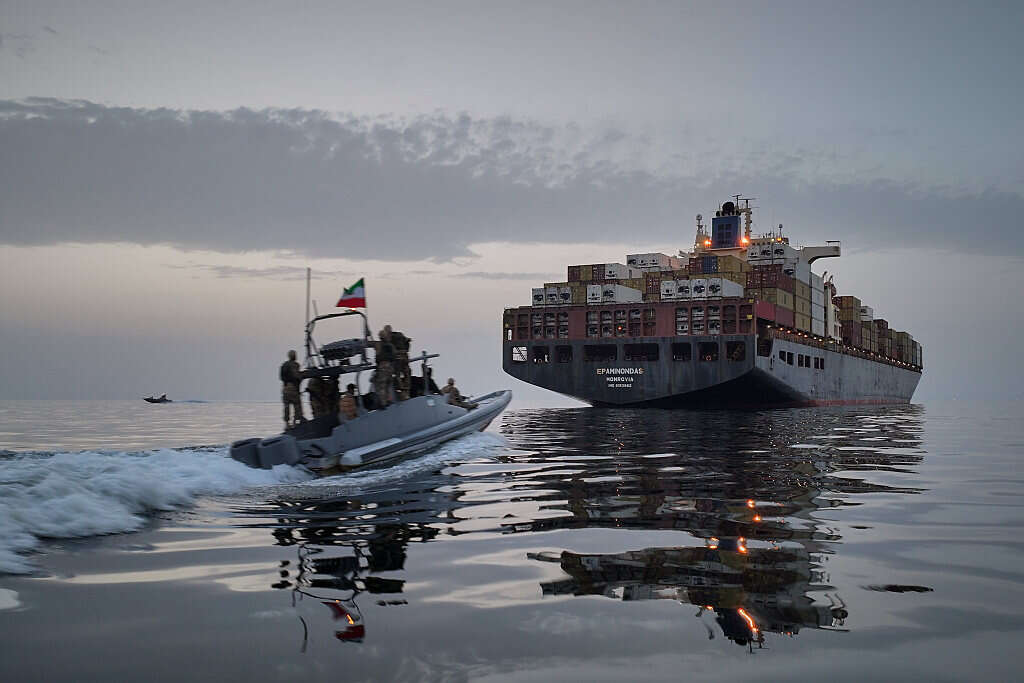
From Tehran's perspective, there can be no challenge to its sovereignty over the strait. Iran is prepared to allow it to remain open and permit vessels to pass through, but only on condition that every tanker coordinates its passage with the Islamic Revolutionary Guard Corps Navy and follows its instructions. The US administration, by contrast, believes the understandings require the complete opening of the shipping lanes, with no need for prior coordination and no restrictions imposed by Iran.
This gap has led Iran to use force to impose its interpretation. Tankers that Tehran says are passing through the route without coordination are attacked or detained, while the US response fuels an ongoing cycle of escalation.
At the same time, the diplomatic channel remains active. Iran is investing significant effort in reaching an agreement with Oman that, from Tehran's perspective, would provide a legal basis and international legitimacy for exercising its sovereignty over the strait. This could include arrangements for coordination mechanisms and even the collection of transit fees in one form or another.
Despite the worsening tensions and increasingly harsh rhetoric, it is clear that neither side is yet prepared to abandon restraint altogether. The US is focusing its attacks on Iranian military targets in the Gulf region, while Iran is responding with strikes against US bases in the Gulf and by exerting pressure on the United Arab Emirates, Saudi Arabia and even Jordan.
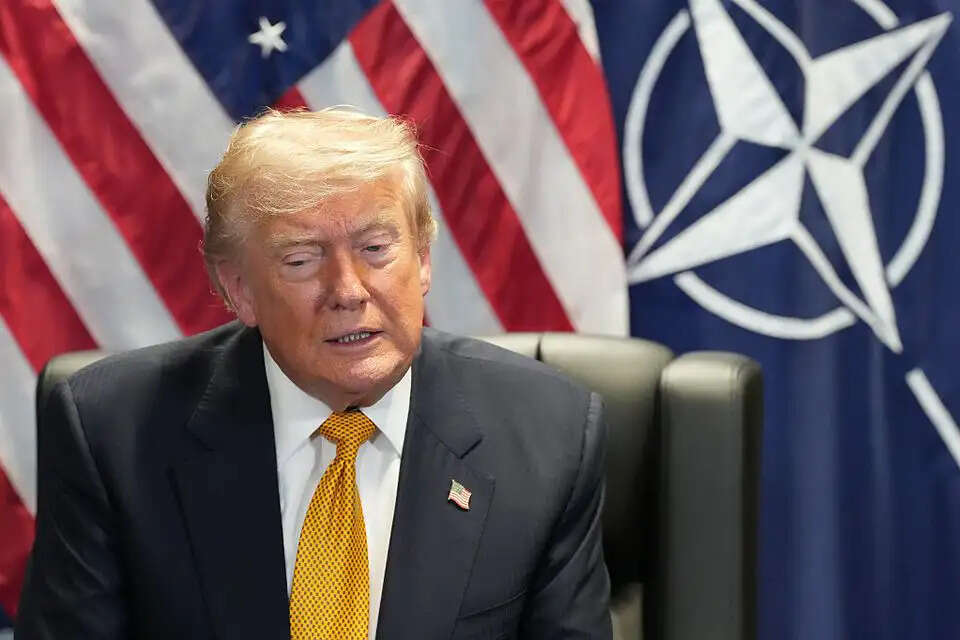
Tehran believes President Donald Trump's reluctance to become entangled in another large-scale war will ultimately lead Washington to accept the new reality in the Strait of Hormuz. For Iran, control of the strait is its primary deterrent, preventing the US and Gulf states from returning to military confrontation, particularly given the volatility of US sanctions policy. Iran will not allow Washington to impose alternative arrangements in the strait without coordinating with Tehran.
Recent developments also offer a glimpse into decision-making in "Iran 3.0," under the dominance of the Islamic Revolutionary Guard Corps. The new leadership clearly understands the need for a degree of pragmatism toward the US in order to reach an agreement that could help rehabilitate Iran's economy.
Unlike in previous periods, however, it is also more willing to use military force consistently to defend the regime's core principles, first and foremost its control of the Strait of Hormuz. In other words, this is a leadership that is more pragmatic in managing the crisis, but not more ideologically moderate. The events surrounding Ali Khamenei's funeral also demonstrated that there has been no fundamental change in the regime's ideological character.
Therefore, even if Qatar- and Oman-led talks produce a breakthrough on the strait in the coming days, the parties are likely to return to the negotiating table to advance an agreement on the nuclear issue.
However, should they fail to reach an agreed formula, there is a genuine risk that the escalation will spin out of control and draw additional players into the conflict, despite both sides' desire to keep the confrontation within the existing "rules of the game."
Ultimately, the famous dictum attributed to Carl von Clausewitz is playing out before our eyes: "War is the continuation of policy by other means." Both sides are using military force not to replace diplomacy, but to improve their positions ahead of the next diplomatic stage.
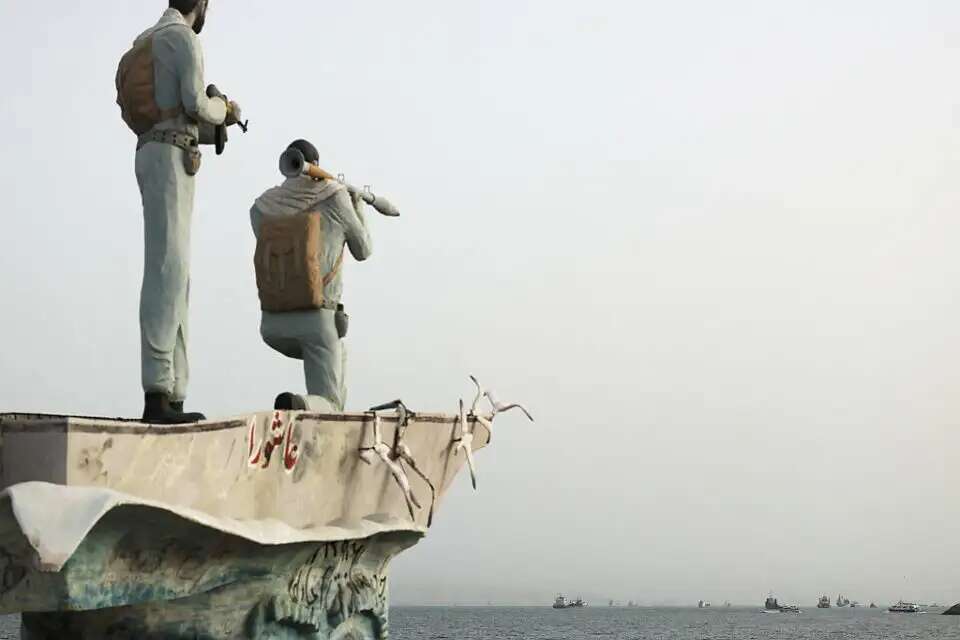
Nevertheless, the central point of disagreement remains unchanged: Iran has no intention of relinquishing control of the Strait of Hormuz. Unless Trump is prepared to commit the military and political resources required to fundamentally alter that reality, the current level of military pressure is unlikely to change Iran's calculations.
The US administration therefore faces a strategic choice: escalate the confrontation in the Strait of Hormuz, even at the cost of undermining the prospects of an agreement on the nuclear issue, or accept an arrangement between Iran and Oman governing maritime passage and focus on what it considers the more important objective, namely preventing Iran from acquiring a nuclear weapon.