The memorandum of understanding signed last month between the United States and Iran is effectively dead, after US President Donald Trump announced that the Strait of Hormuz would be closed to Iranian vessels.
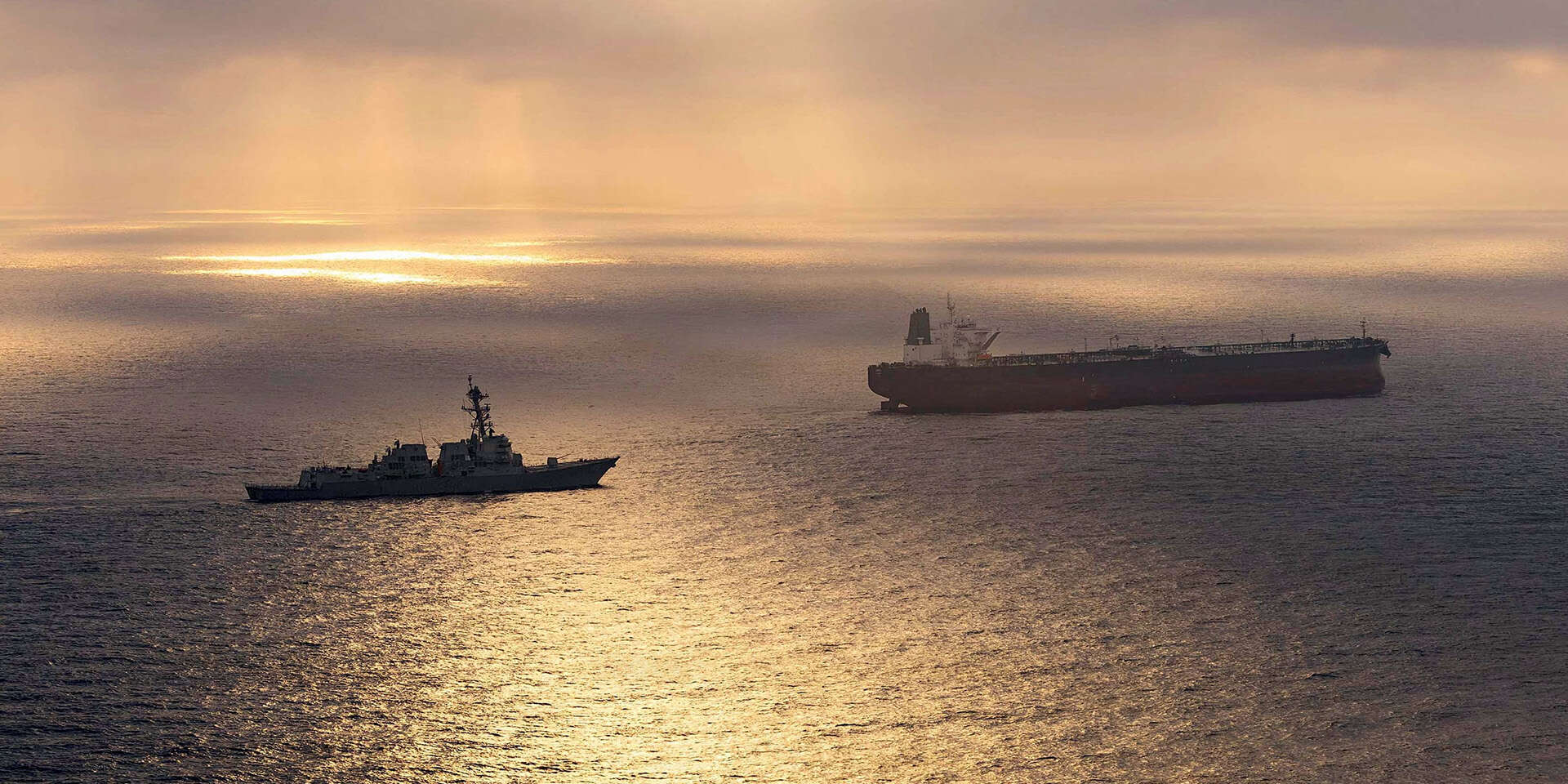
Israel Hayom reported two days ago that the United States had issued Iran an ultimatum, demanding a public declaration and the immediate implementation of fully unrestricted passage through the Strait of Hormuz. The message was clear: Unless the strait was reopened and Iran publicly committed to allowing free passage, it would be completely closed to ships and oil tankers traveling to and from Iran.
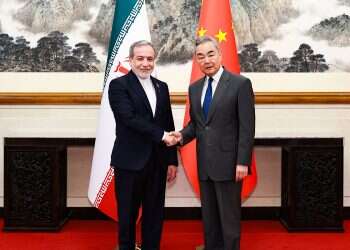
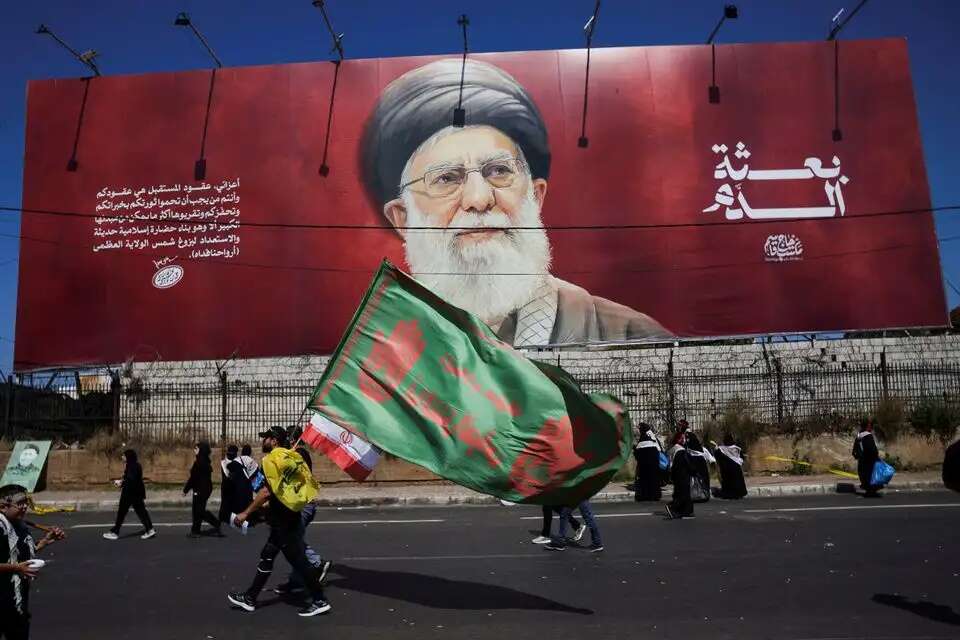
That is what happened on Monday, after Iranian Foreign Minister Abbas Araghchi responded by making clear that the Islamic Revolutionary Guard Corps would not relinquish control of the strait. Araghchi has now been sidelined, and IRGC commanders are officially running the show. That is also the message received by Gulf states, which are furious over Iranian attacks on their territory.
Economic sanctions to be intensified
The United States also plans to tighten economic sanctions under the direction of the US Treasury Department and Treasury Secretary Scott Bessent, who opposed the memorandum of understanding with Iran. The measures are expected to target individuals and companies involved in the oil trade and financial sector.
According to a US official, the economic campaign will focus on senior IRGC commanders, some of whom hold tens of millions of dollars in private accounts.
A source familiar with the details said the funds reflected "both the institutionalized corruption of senior IRGC officials, who are enriching themselves at the expense of the Iranian public, and the use of oil revenues to finance Iran's international terrorism network."
Gulf states have had enough
Gulf states are taking part in US attacks on Iran. Put simply, they have had enough.
After a brief period in which Washington pursued a diplomatic track, with most Gulf states adopting a wait-and-see approach and Qatar playing an active role in mediation efforts, they are returning to their fundamental position: seeking the removal of the Iranian threat by force.
Two Gulf diplomatic officials told Israel Hayom that a unified message to that effect was delivered to Washington over the weekend, including full support for the resumption of strikes.
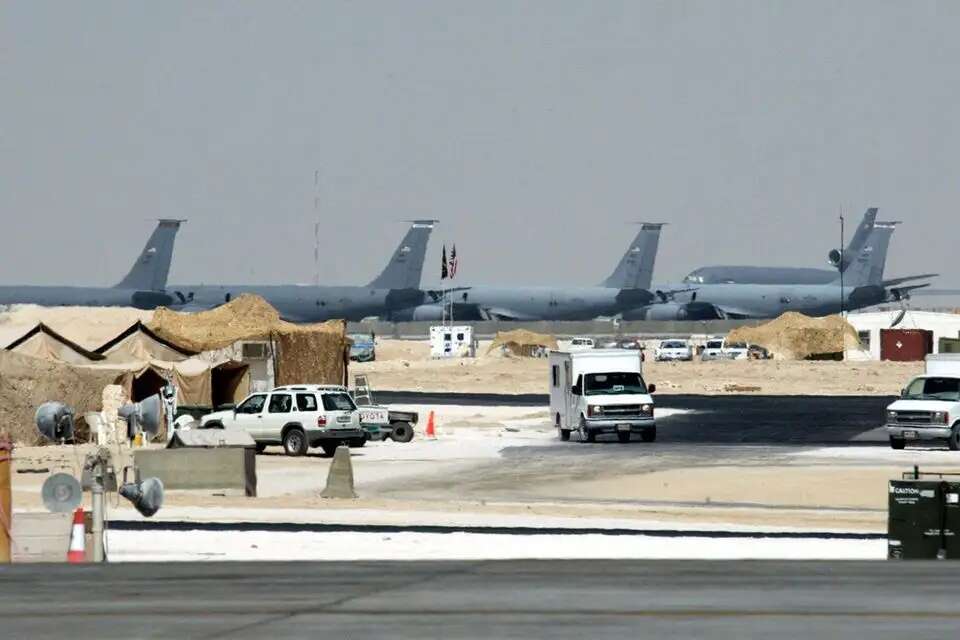
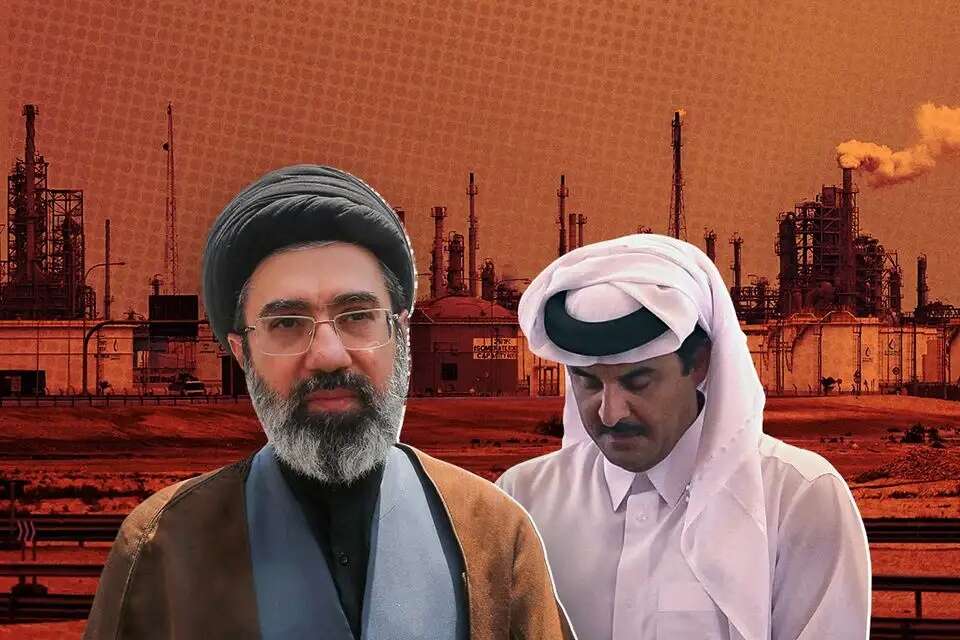
Israel Hayom has learned that Gulf states joined attacks on Iran over the past 48 hours. Their involvement has not been extensive, but they are now active participants in offensive operations. The shift in policy was partly driven by Iranian missile and drone attacks on Gulf states, including Qatar and its natural gas facilities.
Qatar, which had previously blocked a unified Gulf position against Iran, withdrew its opposition following the attacks on its territory. Doha has also stopped working to secure the release of frozen Iranian funds.
Israel, at this stage, remains outside the operational campaign but is involved behind the scenes in logistics and intelligence. According to an Israeli security official, the assessment that Iran will refrain from attacking Israel for now remains unchanged, both because of Israeli deterrence and because Tehran does not want to trigger a renewed full-scale war against it.