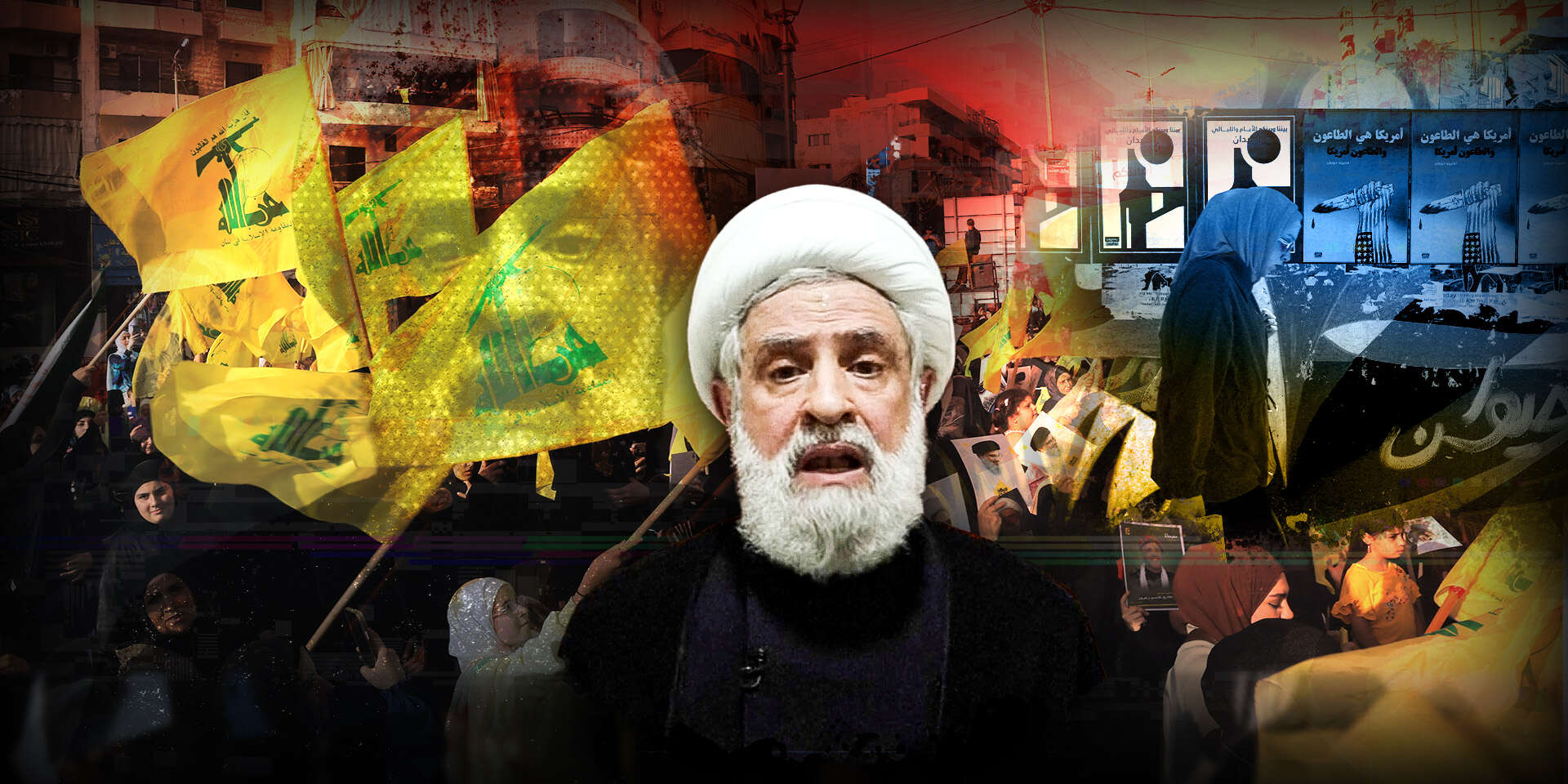
More than 400 Lebanese figures from a range of religious communities and political movements signed "A Call to Save Lebanon," a civil society initiative launched last month. Among the signatories are prominent Shiite intellectuals, activists and public figures who have consistently criticized Hezbollah and viewed the current moment as an opportunity to form a more substantial coalition.
The initiative was not established as a political party or formal organization. Instead, it emerged as a joint public declaration against the backdrop of Lebanon's prolonged economic crisis, the weakening of state institutions and mounting criticism of Hezbollah's involvement in regional conflicts.
The document calls for the restoration of Lebanese sovereignty, stronger state institutions, an exclusive state monopoly on weapons and reduced dependence on foreign interests. The support it has attracted indicates that the debate over sovereignty is no longer confined to a narrow political camp but is gradually developing into a broader civic movement.
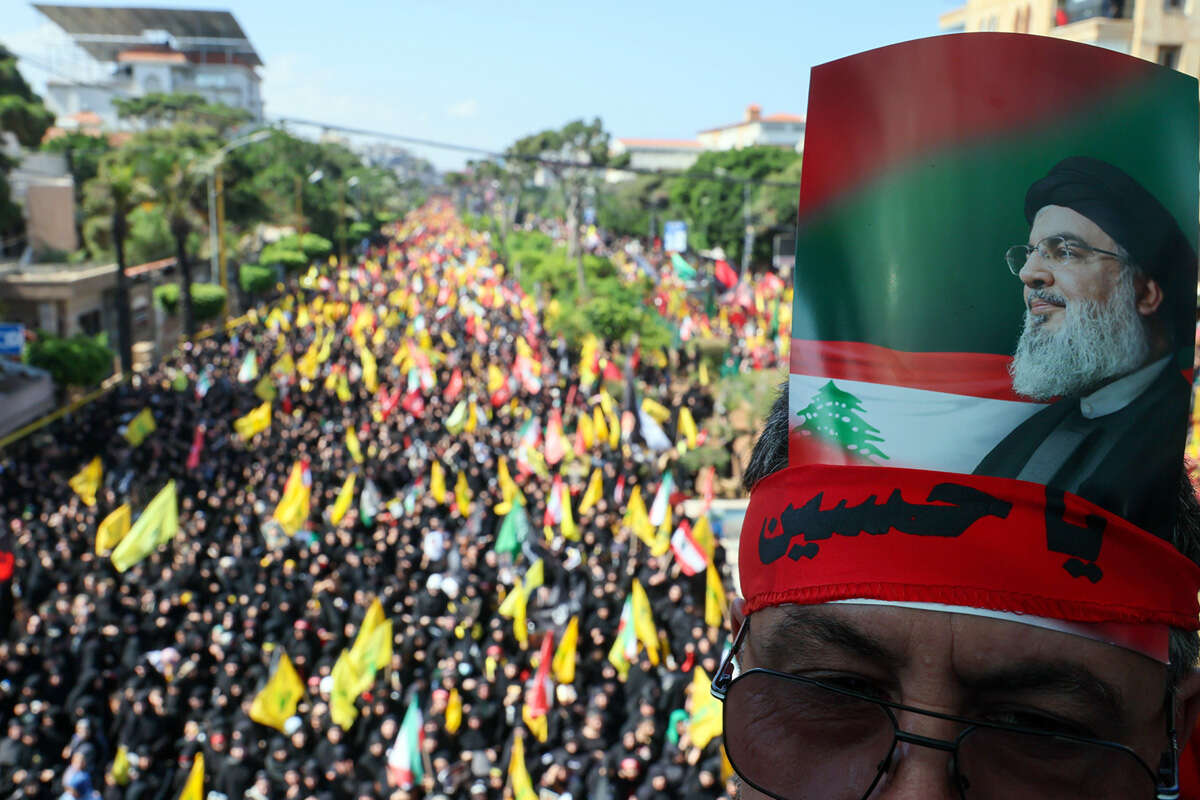
The Shiite involvement in the initiative should nevertheless be assessed cautiously. Lebanese politics, particularly within the Shiite community, has seen previous attempts to create alternatives to Hezbollah and Amal, the country's other major Shiite political movement. Over the years, clerics, intellectuals, journalists, political activists and independent candidates have sought to challenge the perception that Hezbollah represents all Lebanese Shiites.
The Shiite community is not monolithic. It comprises a range of identities, loyalties and political outlooks. Yet that very diversity, while a source of social and intellectual richness, appears to have made it more difficult to consolidate a unified political camp.
The limits of success
In this respect, "A Call to Save Lebanon" has succeeded where previous initiatives failed. It does not present itself solely as a Shiite initiative, nor does it frame its campaign against Hezbollah as a sectarian struggle. Instead, it casts the issue as a national question: Who decides whether Lebanon goes to war or makes peace? Who controls the weapons? Who conducts negotiations on Lebanon's behalf? And does the Lebanese state remain the supreme framework for citizenship and sovereignty?
The initiative's strength also lies in its inclusion of Shiite voices that reject the idea that criticizing Hezbollah amounts to betraying their community. In doing so, it weakens one of Hezbollah's principal defense mechanisms: the identification of the organization with the Shiite community as a whole.
When Shiites themselves demand stronger state institutions, an end to unilateral decisions on war and an end to Lebanon's use as an front for regional conflicts, it becomes more difficult to portray demands for a state monopoly on weapons as anti-Shiite. Yet, this is also where the limits of the initiative's success become apparent. A declaration, no matter how widely supported, cannot replace organized political power. It cannot disarm an armed group, win elections or build institutions on its own.
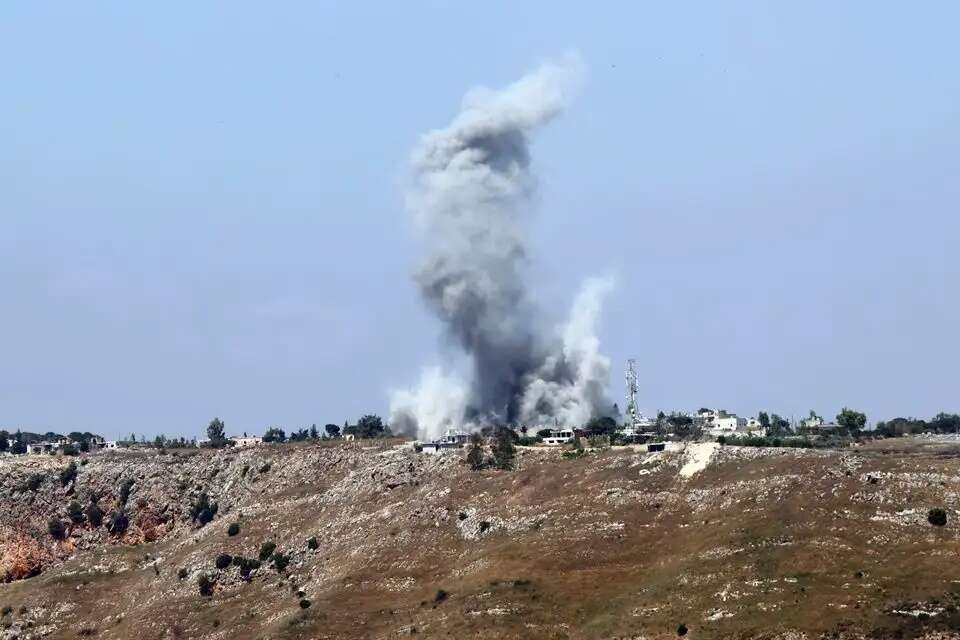
Previous sovereignty-based and opposition initiatives failed not because their ideas lacked merit, but because they could not turn criticism into a stable mechanism for action. They lacked leadership, a presence on the ground, funding, political protection and electoral capabilities.
The difference today is that the initiative is not operating in a vacuum. The official positions of Lebanese President Joseph Aoun and Prime Minister Nawaf Salam, both of whom have advocated an exclusive state monopoly on weapons, provide it with a degree of political momentum. Growing criticism within the Shiite community, following the heavy price Lebanon has paid in recent wars, has also created public space for such a movement on a scale that did not previously exist.
But political momentum alone is not enough. Unless "A Call to Save Lebanon" develops into a lasting framework for action, perhaps by establishing an organizing body, selecting a clear leadership or participating in elections, it could join the long list of Lebanese initiatives that accurately diagnosed the country's crisis but failed to change reality.
For now, therefore, the initiative's main achievement is in reshaping public perceptions. It reflects a change in political language, a greater willingness to speak out and a growing ability to combine criticism of Israel, rejection of Iranian tutelage and support for the Lebanese state. Its real test still lies ahead: Can it turn a long list of signatures into a political network, that network into an electoral force, and that electoral force into meaningful pressure on state institutions?
Should it succeed, "A Call to Save Lebanon" could become more than a declaration. It could emerge as one of the most significant expressions of Lebanon's new political moment, one in which voices from within the Shiite community are also insisting that strengthening the state is not a betrayal of the resistance, but perhaps the only way to save Lebanon.