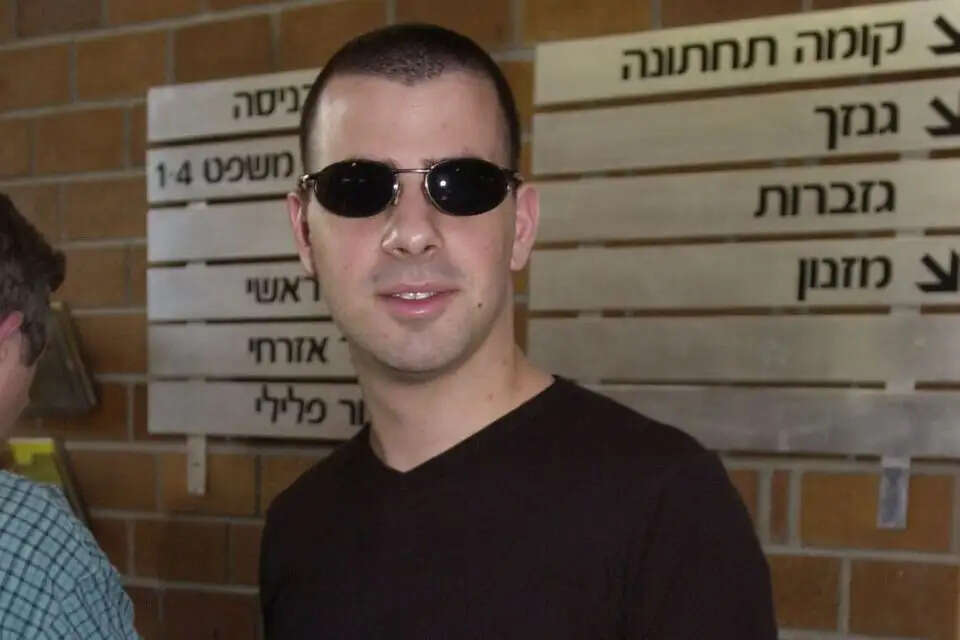
Israeli hacker Ehud Tenenbaum, 46, better known as "The Analyzer," is in trouble again.
Tenenbaum, who holds dual Israeli and Polish citizenship, was arrested at an airport in Poland less than two months ago at the request of Dutch police. He is being held in pretrial detention on suspicion of playing an essential role in an investment fraud operation involving at least tens of millions of euros.
According to a statement issued Wednesday by Dutch police, Tenenbaum was a key figure in an international network suspected of carrying out large-scale investment fraud. The organization allegedly used fraudulent advertisements to entice hundreds of people in the Netherlands and Belgium into making risky investments.
The network included several alleged fraudsters from a number of countries. Among other tactics, they used advertisements that falsely showed prominent Dutch and Belgian celebrities recommending an investment platform in which Tenenbaum was allegedly involved.
Dutch police said the advertisements created the impression that the celebrities were promoting the investment platforms or had made substantial profits through them. In reality, their names and photographs were used without permission.
The celebrities whose images were allegedly appropriated for the campaign included a string of well-known Dutch and Belgian personalities: actress and singer Chantal Janzen; Dutch journalist Eva Jinek; television presenters Matthijs van Nieuwkerk, Jort Kelder and Wilfred Genee; and television producer John de Mol, the creator of formats including "Big Brother" and "The Voice." Their photographs appeared in advertisements on social media platforms including Facebook, Instagram, X and TikTok.

According to Belgium's Public Prosecutor's Office and Dutch authorities, more than 200 Belgian and Dutch victims were defrauded of at least tens of millions of euros.
Dutch newspaper De Telegraaf reported that police announced Wednesday that the international criminal organization behind the investment fraud had been dismantled in a special operation known as Operation Sunflower. The people running it allegedly pocketed more than €100 million.
Prosecutors suspect Tenenbaum of holding a vital position within the organization and helping facilitate the fraud. "The main suspect's specific knowledge and expertise meant that the organization could not be dismantled for a long time," police said.
According to reports in Dutch media, the alleged international investment fraud network operated around 20 call centers employing more than 700 "workers" who posed as financial advisers. Each call center targeted victims in a different country.
Belgian police arrested five of the alleged workers on July 7 and July 10. Three suspects were arrested in Cyprus, one in Belgium and one in Greece. According to Belgium's Public Prosecutor's Office, the suspects were two Belgian citizens and three Dutch citizens between the ages of 27 and 45. They are suspected of fraud, money laundering and participation in a criminal organization. They allegedly managed the fraud operation from Cyprus.
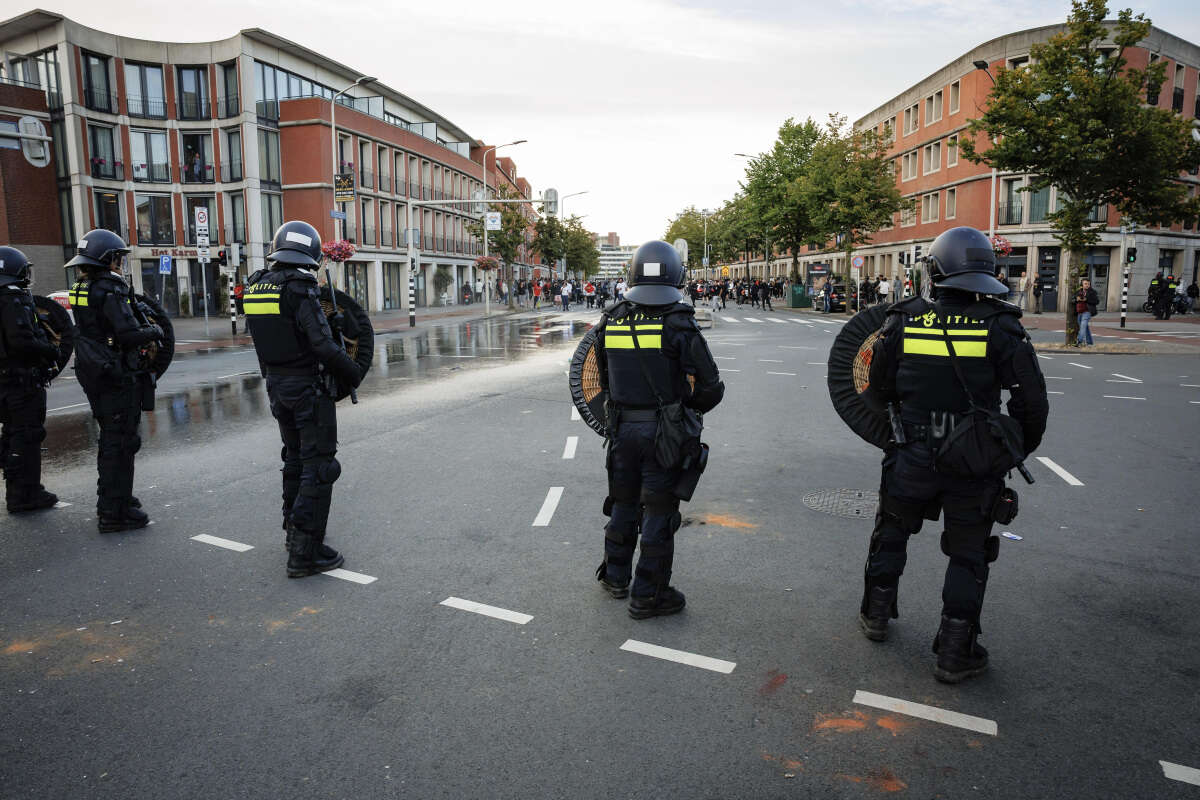
The arrests were carried out as part of a large-scale international police operation involving the Cyprus Police, Netherlands Police, Europol and the police serving the British military bases in Cyprus. Police said the investigation was the result of years of cooperation among investigative agencies and judicial authorities in several countries.
Netherlands Police spokeswoman Merel van Steenbergen confirmed to De Telegraaf that several prominent Dutch personalities appeared in the investigation as victims of identity theft. "They are not suspects. They were, in fact, exploited to inspire confidence among potential investors," she said.
Police and the Public Prosecution Service are now working on an awareness campaign that could also involve the celebrities whose identities were misused. They may be asked to warn their followers about this type of fraudulent scheme. Van Steenbergen said the central components of the organization's technical infrastructure had now been disabled, preventing the network from operating as it had before.
Police therefore do not expect the fraudulent campaigns featuring Dutch celebrities to reappear, although they cannot rule out the possibility that isolated scam advertisements may still surface elsewhere. Authorities said the investigation remained underway, and police and prosecutors had not ruled out further arrests.
Tenenbaum became famous in the late 1990s after he was caught following an FBI investigation into cyberattacks against computers belonging to NASA, the Pentagon, the Knesset and the US military. Spyware was installed on some of the compromised systems. He was tried in Israel and sentenced to 18 months in prison, serving only eight months before being granted early release.
Over the years, Tenenbaum's name has been linked to other international criminal cases involving, among other allegations, theft, fraud and money laundering.