Saturday Jul 18, 2026
NEWSLETTER
www.israelhayom.com
  • Home
  • News
    • Israel
    • Israel at War
    • Middle East
    • United States
  • Opinions
  • Jewish World
    • Archaeology
    • Antisemitism
  • Lifestyle
    • Food
    • Travel
    • Fashion
    • Culture
  • Magazine
    • Feature
    • Analysis
    • Explainer
  • In Memoriam
www.israelhayom.com
  • Home
  • News
    • Israel
    • Israel at War
    • Middle East
    • United States
  • Opinions
  • Jewish World
    • Archaeology
    • Antisemitism
  • Lifestyle
    • Food
    • Travel
    • Fashion
    • Culture
  • Magazine
    • Feature
    • Analysis
    • Explainer
  • In Memoriam
www.israelhayom.com
Home News Middle East Iran & The Gulf

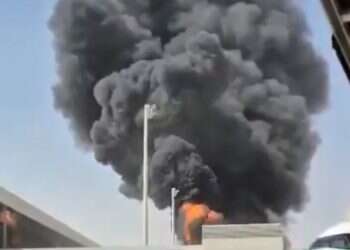
US shifts course, strikes strategic bridges leading to Bandar Abbas

At least seven bridges, a railway junction and an observation tower were targeted in southern Iran. US Central Command says the strikes were intended to hamper the Islamic Revolutionary Guard Corps' ability to move forces and equipment in the Strait of Hormuz region. 

by  Dudi Kogan
Published on  07-17-2026 23:10
Last modified: 07-18-2026 00:14
US shifts course, strikes strategic bridges leading to Bandar Abbas

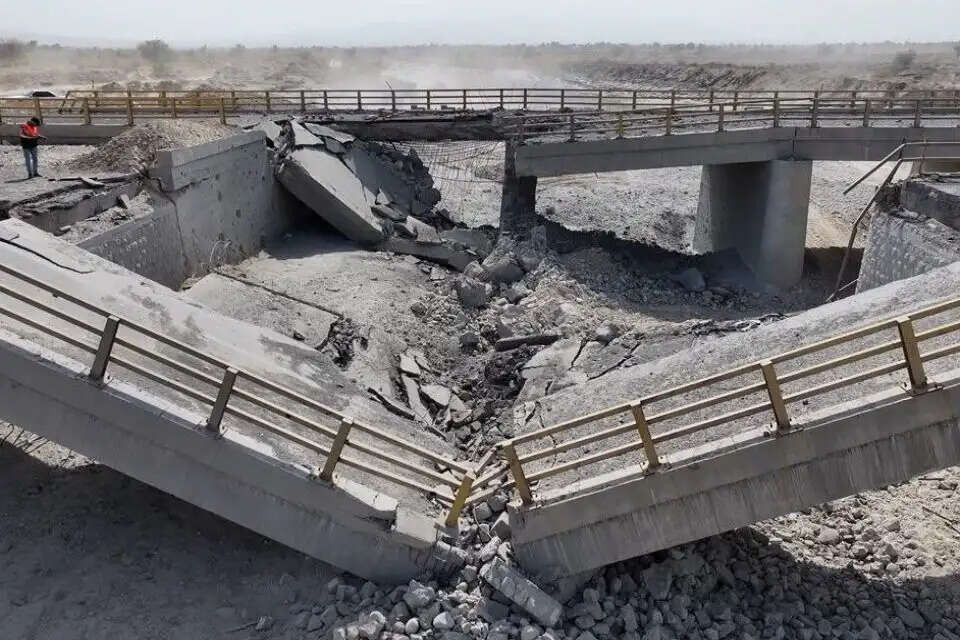
The bridges destroyed on routes leading to Bandar Abbas

Share on FacebookShare on Twitter

The US significantly escalated its attacks on Iran overnight, striking at least seven bridges in the country's south after the president threatened to do so in an interview with Fox News earlier this week.

Although the attacks may appear to mark a departure from US Central Command's policy of focusing on Iran's ability to threaten shipping in the Strait of Hormuz, they are directly connected to that mission. The bridges lead to Bandar Abbas, the port city that is home to the headquarters of the Islamic Revolutionary Guard Corps Navy.

The targets included major bridges carrying traffic out of the city along the coast and north toward Shiraz, southern Iran's largest city, and from there to the center of the country. A junction on the Bandar Abbas railway line was also hit, as was Iranshahr Airport farther east.
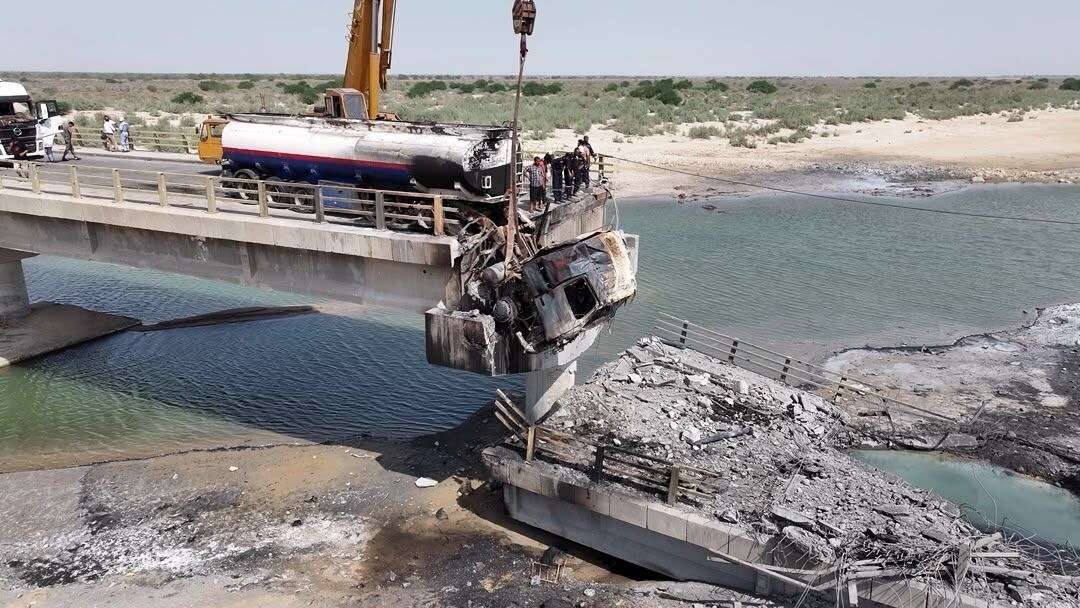
הגשרים שנהרסו בדרך לבנדר עבאס , ללא
The major bridges carry traffic out of the city along the coast and northward

In Chabahar, the observation tower at Shahid Kalantari Port was destroyed. According to U.S. Central Command, the tower was part of a maritime surveillance system "used for decades by the Islamic Revolutionary Guard Corps to monitor commercial vessels transiting the Strait of Hormuz and designate them as targets."

US Central Command said it struck "dozens of Iranian military targets" on the sixth consecutive night of attacks, including coastal surveillance sites, air defense systems, "military logistics infrastructure" and naval capabilities. "Ammunition, supplies and reinforcements move through Bandar Abbas to other parts of the strait," a US official told Axios.

For now, Tehran has responded to the US move mainly with rhetoric, although Iran has also carried out some of its threats, striking a power station and a desalination facility in Kuwait. About 90% of Kuwait's drinking water comes from desalination, as is the case in several other Gulf states.

"In our calculations, land is land. From Tehran to the south, it is all one indivisible whole for Iran," Islamic Revolutionary Guard Corps Aerospace Force Commander Majid Mousavi wrote Friday. "Our effective and targeted fire from across Iran against the enemy will continue until calm returns to the southern coastline and the Strait of Hormuz."

Iranian Foreign Minister Abbas Araghchi also wrote: "Iran is our homeland, from south to north and from east to west. We will defend every inch of our land until our last breath." His statement came after three villagers were killed, according to Araghchi, while crossing the Bandar Khamir bridge.
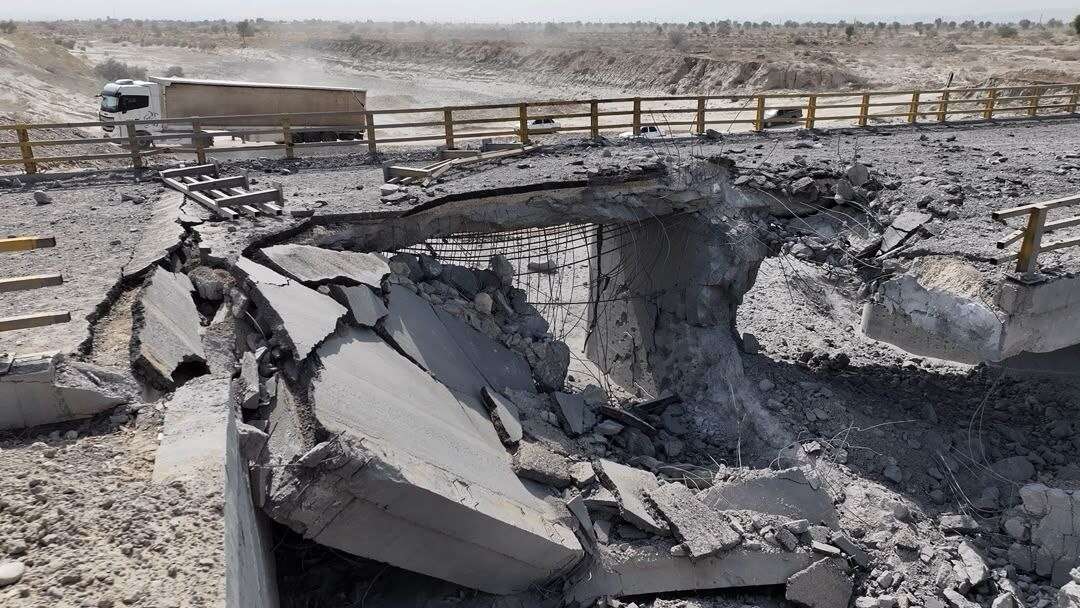
הגשרים שנהרסו בדרך לבנדר עבאס , ללא
The major bridges carry traffic out of the city along the coast and northward

Tehran is also seeking to project solidarity with the country's south. Iranian First Vice President Mohammad Reza Aref spoke by telephone with the governors of the southern provinces, received updates on preparations on the ground and measures to protect infrastructure, and promised them the government's "full support on the front lines of the country's stability."

"Under the national and strategic logic of the Islamic Republic of Iran, north, south, east and west are merely administrative and geographical divisions," Aref was quoted as saying by Iranian media. "Any attack on even a single inch of this land is considered an attack on the entire system, its sovereignty and its unity."

The strikes are beginning to have an impact on the ground. The Hormozgan provincial administration announced that roads leading to Bandar Abbas had been blocked. It later said traffic had begun moving again slowly and urged residents to avoid nonessential travel.

Iran's Energy Ministry called on residents of the southern provinces to reduce electricity consumption, saying they were "currently experiencing extreme heat and attacks on electricity infrastructure." It was Iran's first acknowledgment that the country's power system had been damaged, following another threat issued against Tehran by the US president.
Tags: Bandar AbbasIranUS

Related Posts

How Trump stopped the strike on Iran at the last minute

US may intensify Iran strikes, seek to avoid full-scale war

by Danny Zaken

The operation will focus on safeguarding maritime trade and protecting the Bab el-Mandeb Strait in the Red Sea. Two Gulf...

Iran attacked military base in Abu Dhabi, satellite images revealSatellite imagery

Iran attacked military base in Abu Dhabi, satellite images reveal

by ILH Staff

Tehran targets US-aligned Gulf states and knocks out a critical Kuwaiti desalination facility, while American Patriot air defense systems in...

Tehran threatens to turn region into 'hell' as US strikes southern Iran

Tehran threatens to turn region into 'hell' as US strikes southern Iran

by Neta Bar

A senior adviser to Iran’s parliament speaker threatened a regional war after US President Donald Trump said Washington could attack...

Menu

Analysis 

Archaeology

Blogpost

Business & Finance

Culture

Exclusive

Explainer

Environment


Features

Health

In Brief

Jewish World

Judea and Samaria

Lifestyle

Cyber & Internet

Sports


Diplomacy 

Iran & The Gulf

Gaza Strip

Politics

Shopping

Terms of use

Privacy Policy

Submissions

Contact Us

About Us

The first issue of Israel Hayom appeared on July 30, 2007. Israel Hayom was founded on the belief that the Israeli public deserves better, more balanced and more accurate journalism. Journalism that speaks, not shouts. Journalism of a different kind. And free of charge.

All rights reserved to Israel Hayom

Hosted by sPD.co.il

  • Home
  • News
    • Israel at War
    • Israel
    • United States
    • Middle East
    • Sports
  • Opinions
  • Jewish World
    • Archaeology
    • Antisemitism
  • Lifestyle
    • Food
    • Travel
    • Fashion
    • Culture
  • Magazine
    • Feature
    • Analysis
    • Explainer
    • Environment & Wildlife
    • Health & Wellness
  • In Memoriam
  • Subscribe to Newsletter
  • Submit your opinion
  • Terms and conditions

All rights reserved to Israel Hayom

Hosted by sPD.co.il

Newsletter

[contact-form-7 id=”508379″ html_id=”isrh_form_Newsletter_en” title=”newsletter_subscribe”]

  • Home
  • News
    • Israel at War
    • Israel
    • United States
    • Middle East
    • Sports
  • Opinions
  • Jewish World
    • Archaeology
    • Antisemitism
  • Lifestyle
    • Food
    • Travel
    • Fashion
    • Culture
  • Magazine
    • Feature
    • Analysis
    • Explainer
    • Environment & Wildlife
    • Health & Wellness
  • In Memoriam
  • Subscribe to Newsletter
  • Submit your opinion
  • Terms and conditions

All rights reserved to Israel Hayom

Hosted by sPD.co.il