Conspiracy theories claiming that Israel and the US were involved in the events in Ceuta spread across Spanish social media, against the backdrop of Prime Minister Pedro Sánchez's government's hostility toward Jerusalem and Washington and the two countries' close relations with Morocco.
Some cited a post by Israeli Ambassador to the UN Danny Danon, who wrote on X that Spain, "Spain, which never misses an opportunity to lecture Israel, has declared a state of emergency in Ceuta following the crisis over its immigration policy."
"Maybe before it continues lecturing us, it's time it explained to the world why it still maintains colonial enclaves in Africa," Danon added.
Spanish Transport Minister Óscar Puente, one of the most combative voices in the Sánchez government on social media, shared Danon's post and added: "Well, things are starting to become quite clear."
Israel's chargé d'affaires in Spain, Dana Erlich, was subsequently forced to distance the country from Danon's remarks, which also had the potential to damage Israel's relations with the Spanish Right. "Closely following the situation in Ceuta," Erlich wrote on X. "The comment made by Israel's Ambassador to the UN on the issue does not represent the position of the State of Israel."
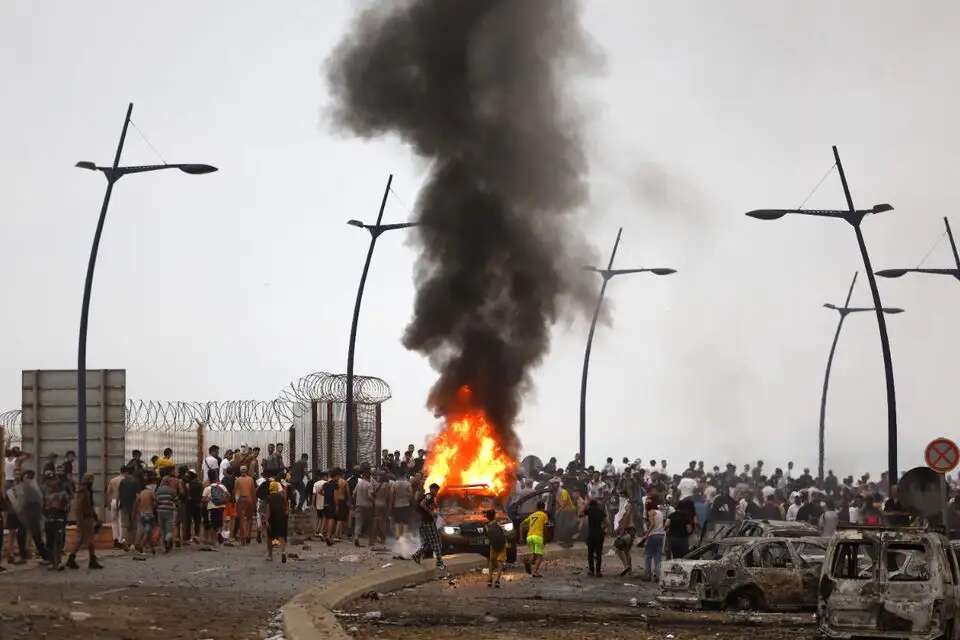
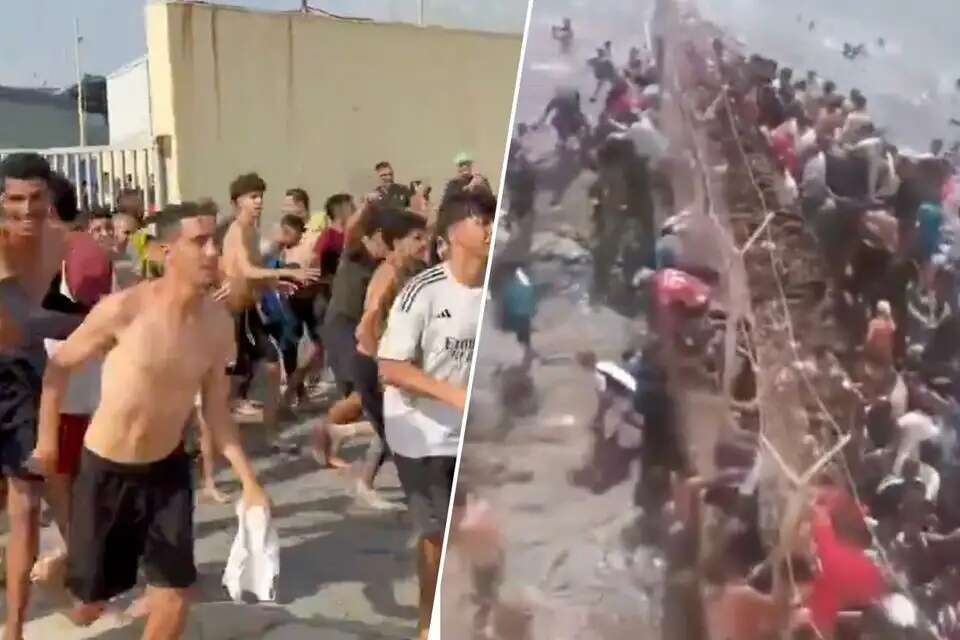
The controversy broke out after some 49,000 migrants entered the Spanish enclave of Ceuta from Morocco within hours. It was the worst migration crisis the city had experienced since 2021. Nineteen people were killed while attempting to reach the enclave, and the Spanish government was forced to deploy military forces in the city.
The crisis triggered fierce criticism of the Sánchez government both at home and abroad. Italy called for Spain to be suspended from the Schengen Area, while France stepped up inspections along its border with Spain. At the same time, Spain's right-wing parties accused the government of encouraging the mass influx through its immigration policies.