Israel Hayom is a media organization founded on the belief that the Israeli public deserves better journalism—more balanced, more accurate, and more reliable. Journalism that speaks rather than shouts. Journalism that is trustworthy, objective, and matter-of-fact. A different kind of journalism, offered free of charge. The first print edition was published on July 30, 2007, and in 2010 Israel Hayom became the Israeli newspaper with the highest weekday readership. The newspaper’s publisher is Dr. Miriam Adelson. Its Editor-in-Chief is Omar Lachmanovitch, and its founding editor is Amos Regev. Israel Hayom’s Hebrew and English websites, as well as its Android and iOS applications, provide around-the-clock news coverage, exclusive content, breaking news and updates, analysis and commentary, video, podcasts, and live broadcasts. The digital platforms of Israel Hayom include news and opinion channels covering culture and entertainment, lifestyle, technology, sports, business and consumer affairs, health, military affairs, food, Judaism, tourism, and automobiles. In 2021, a new Hebrew-language website and mobile application were launched to provide users with a fast, up-to-date, secure, and convenient experience. The content of the newspaper’s print edition is also available online through a daily digital edition and can be received via newsletter. “The Israel Hayom Clique,” the publication’s exclusive benefits club, offers website users discounts and special promotions on products and services. Israel Hayom welcomes feedback, criticism, and suggestions for improvement from its readers. You can contact the organization by email at hayom@israelhayom.co.il

Monday Sep 21, 2026
NEWSLETTER
www.israelhayom.com
  • Home
  • News
    • Israel
    • Israel at War
    • Middle East
    • United States
  • Opinions
  • Jewish World
    • Archaeology
    • Antisemitism
  • Lifestyle
    • Food
    • Travel
    • Fashion
    • Culture
  • Magazine
    • Feature
    • Analysis
    • Explainer
  • In Memoriam
www.israelhayom.com
  • Home
  • News
    • Israel
    • Israel at War
    • Middle East
    • United States
  • Opinions
  • Jewish World
    • Archaeology
    • Antisemitism
  • Lifestyle
    • Food
    • Travel
    • Fashion
    • Culture
  • Magazine
    • Feature
    • Analysis
    • Explainer
  • In Memoriam
www.israelhayom.com
Home News Middle East

Hezbollah faces worst financial crisis in years

Documents obtained by The New York Times and interviews with Lebanese, US and Israeli officials indicate that the campaign against the terrorist organization's funding sources is taking a heavy toll. Iran has increased its financial support, but the money is still not enough to cover Hezbollah's wartime expenses. 

by  ILH Staff
Published on  08-09-2026 14:21
Last modified: 08-09-2026 14:24
Why does Hezbollah still stand?

Why Hezbollah still stands? Photo: Getty Images

Share on FacebookShare on Twitter

The New York Times reported Sunday that Hezbollah is facing its worst financial crisis in years amid the war with Israel and the US, citing documents obtained by the newspaper and interviews with Lebanese, US and Israeli officials.

When Israel launched its latest war against Hezbollah in March, the first targets the IDF warned it would strike were not weapons depots or underground command centers, but banks.

Israeli fighter jets destroyed more than a dozen branches of a financial institution known as al-Qard al-Hassan, which for years has been accused of functioning as Hezbollah's bank in Lebanon. Further airstrikes targeted money changers used by Iran to transfer funds to Hezbollah, as well as gas stations that generated revenue for the terrorist organization. Through the strikes, Israel sent a clear message: Hezbollah's financial infrastructure, not only its weapons stockpiles, was in the crosshairs.
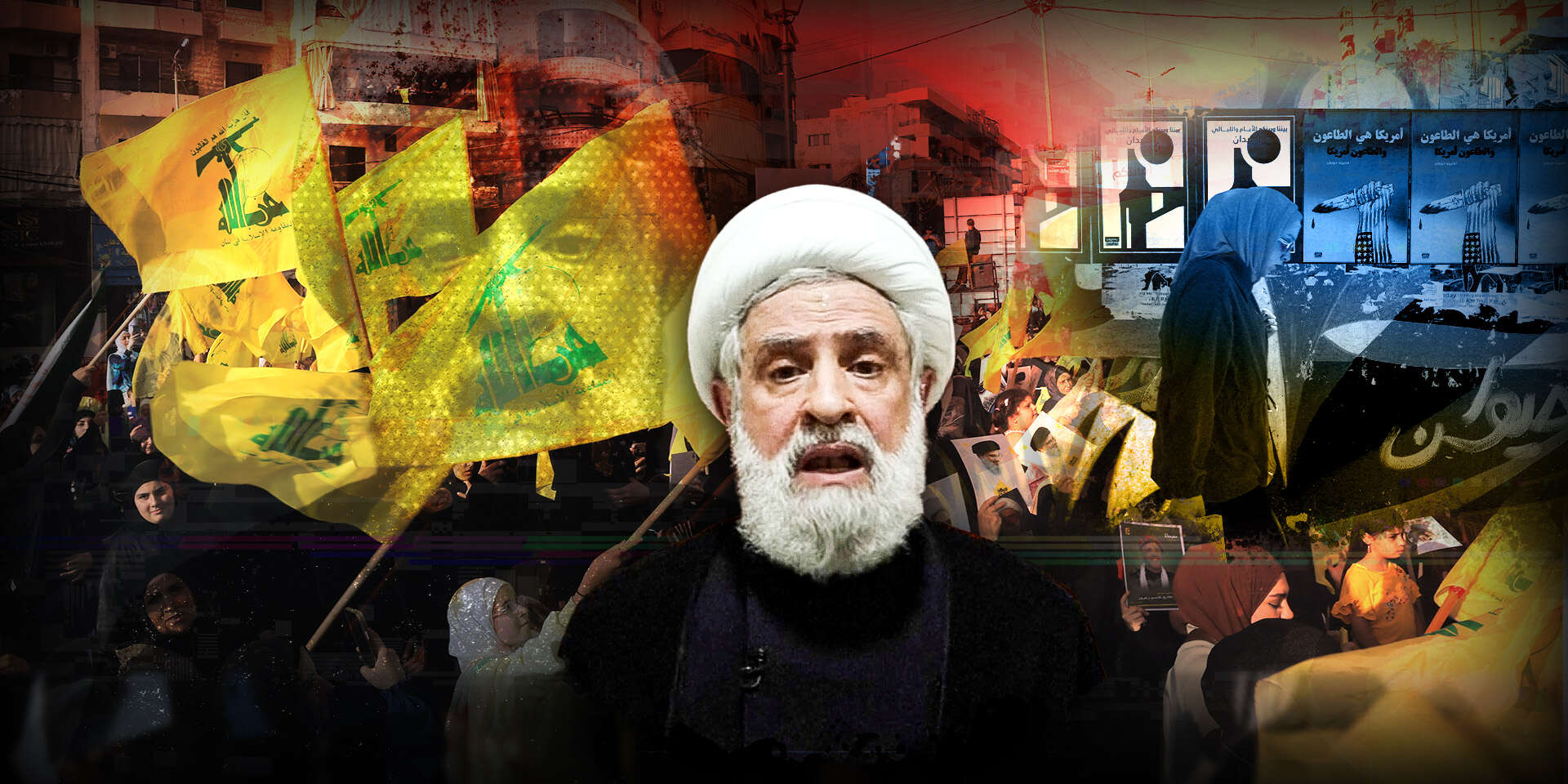
Hezbollah Secretary-General Naim Qassem, with supporters and Lebanese residents in the background | Photo: Reuters, EPA

According to The New York Times, the bombings marked the culmination of the most aggressive campaign yet by Israel, the Trump administration and the Lebanese government to weaken Hezbollah financially by disrupting its funding channels, particularly money flowing from Iran.

In the months leading up to the war, the Lebanese government, under pressure from the Trump administration, worked to block routes Hezbollah used to receive and transfer money, including through Beirut's international airport. Washington also pressed Lebanon's central bank to tighten oversight of the country's cash-based economy, which Hezbollah had exploited for years.

According to documents obtained by The New York Times and interviews with Lebanese, US and Israeli officials, as well as people close to Hezbollah, the organization is now under its most severe financial pressure in years. The full extent of the damage to Hezbollah's vast network of operations remains unclear. Both the terrorist organization and Iran, its principal backer, have proved in the past that they can withstand attempts to weaken them, rebuild militarily and find new ways to keep money flowing.

Nevertheless, Hezbollah is struggling to finance its extensive social welfare network, which for years has been a cornerstone of its support among Lebanon's Shiite population. At the same time, the organization is increasingly prioritizing military spending after successive Israeli campaigns severely damaged its capabilities.

Youssef al-Zein, Hezbollah's media relations chief, told The New York Times in May that the organization had stopped making compensation payments it had promised supporters as it struggled to meet the needs of hundreds of thousands of people displaced by the war.
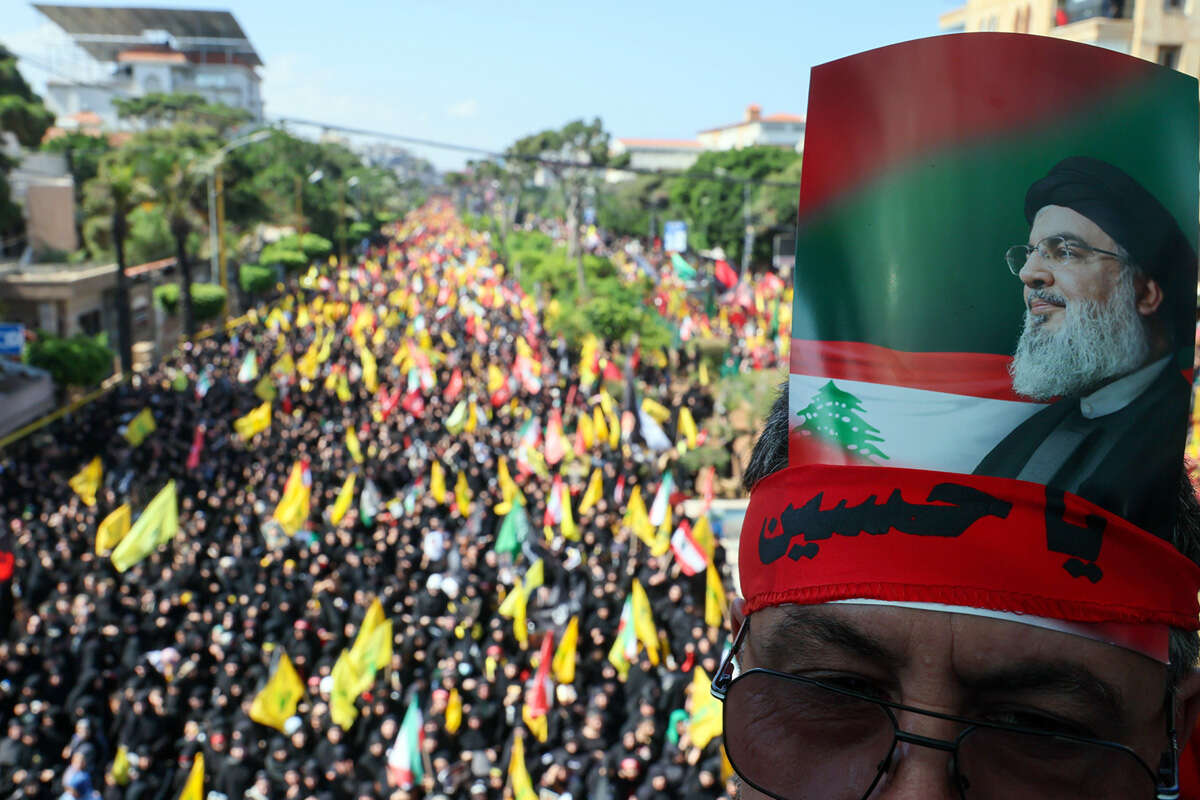
Hezbollah supporters in Lebanon. Photo: EPA

Before the war, the US State Department estimated that Iran provided Hezbollah with about $700 million a year. That was believed to account for most of the organization's roughly $1 billion annual budget.

Lebanese, US and Israeli officials who spoke with The New York Times said Iran had increased its financial assistance to Hezbollah over the past year. Even so, the money has not been enough to cover the organization's substantial wartime expenses.

Early last year, US officials relayed an Israeli warning to the Lebanese government that Iran was sending Hezbollah suitcases filled with US dollars on civilian flights to Beirut. According to two Lebanese officials and an Israeli official, Iranian diplomats carried the money in some cases. Following the warning, Lebanon suspended all flights from Iran, a measure that remains in effect. Airport employees identified with Hezbollah were also removed from their positions, and Lebanese authorities replaced them with security personnel who coordinate with US officials.

Another indication of the shifting balance of power in Lebanon came during an August 2025 visit by Ali Larijani, secretary of Iran's Supreme National Security Council. During the visit, Larijani met Lebanese Prime Minister Nawaf Salam. Salam said the meeting illustrated just how much the situation in the country had changed.

"Our message to the Iranians was very clear," Salam told The New York Times shortly after the visit. "We cannot allow the Iranians to interfere in our internal affairs," he added.


Tags: HezbollahLebanon

Related Posts

Houthis seize control of Bab al-Mandab Strait

Iran blocking Houthis from reaching ceasefire with Saudi Arabia

by Danny Zaken

Tehran is dictating mediation efforts between the Houthis and Saudi Arabia and seeks to prolong the blockade of Bab el-Mandeb,...

Saudi fears of an 'Oct. 7 scenario' drove kingdom to desperate move

Saudi fears of an 'Oct. 7 scenario' drove kingdom to desperate move

by Danny Zaken

Saudi Arabia turned to Oman and China in a bid to secure a ceasefire after realizing that key allies Turkey...

Saudi Arabia builds a new power bloc with Turkey and Pakistan

Saudi Arabia running short of interceptors, seeks allies' help

by ILH Staff

The kingdom faces Houthi attacks on infrastructure and shipping routes. The US, its main ally and weapons supplier, is also...

Menu

Analysis 

Archaeology

Blogpost

Business & Finance

Culture

Exclusive

Explainer

Environment


Features

Health

In Brief

Jewish World

Judea and Samaria

Lifestyle

Cyber & Internet

Sports


Diplomacy 

Iran & The Gulf

Gaza Strip

Politics

Shopping

Terms of use

Privacy Policy

Submissions

Contact Us

About Us

The first issue of Israel Hayom appeared on July 30, 2007. Israel Hayom was founded on the belief that the Israeli public deserves better, more balanced and more accurate journalism. Journalism that speaks, not shouts. Journalism of a different kind. And free of charge.

All rights reserved to Israel Hayom

Hosted by sPD.co.il

  • Home
  • News
    • Israel at War
    • Israel
    • United States
    • Middle East
    • Sports
  • Opinions
  • Jewish World
    • Archaeology
    • Antisemitism
  • Lifestyle
    • Food
    • Travel
    • Fashion
    • Culture
  • Magazine
    • Feature
    • Analysis
    • Explainer
    • Environment & Wildlife
    • Health & Wellness
  • In Memoriam
  • Subscribe to Newsletter
  • Submit your opinion
  • Terms and conditions

All rights reserved to Israel Hayom

Hosted by sPD.co.il

Newsletter

[contact-form-7 id=”508379″ html_id=”isrh_form_Newsletter_en” title=”newsletter_subscribe”]

  • Home
  • News
    • Israel at War
    • Israel
    • United States
    • Middle East
    • Sports
  • Opinions
  • Jewish World
    • Archaeology
    • Antisemitism
  • Lifestyle
    • Food
    • Travel
    • Fashion
    • Culture
  • Magazine
    • Feature
    • Analysis
    • Explainer
    • Environment & Wildlife
    • Health & Wellness
  • In Memoriam
  • Subscribe to Newsletter
  • Submit your opinion
  • Terms and conditions

All rights reserved to Israel Hayom

Hosted by sPD.co.il