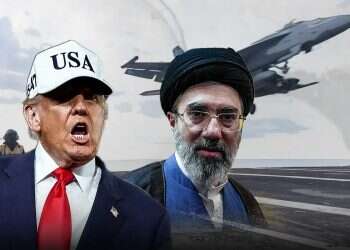
As polls open in the US midterm elections on Tuesday, the window of opportunity for joint American-Israeli military action against Iran is drawing closer. Senior Israeli security officials believe such an operation is necessary in light of what Israel describes as "extreme measures" taken by the Iranians recently, although the precise nature of those measures remains a matter of speculation.
Israel's security leadership is convinced that recent developments have made military action unavoidable in the foreseeable future. The ultimate decision, however, rests with US President Donald Trump, who is known for his efforts to keep adversaries guessing. One evening, he threatens to destroy Iranian civilization; by the following morning, he is talking about progress in negotiations.
Meanwhile, Qatar is engaged in intensive diplomatic efforts to mediate between the sides and avert an attack. According to published reports, Qatar's new proposal includes several confidence-building measures designed to give both sides a way to back down without losing face.
A narrow window of opportunity and the Iranian threat
The outcome of the US midterm elections will also influence when a military campaign might begin, should one be launched. If early forecasts prove accurate and Trump loses control of both houses of Congress, he will have roughly two months before the newly elected Congress takes office, during which the current Congress will remain in session.
That means the political window of opportunity for an operation is unlikely to remain open for long. It is worth remembering, however, that Trump is expected to visit China in a few days, and it is doubtful he would want to arrive there with a war raging.

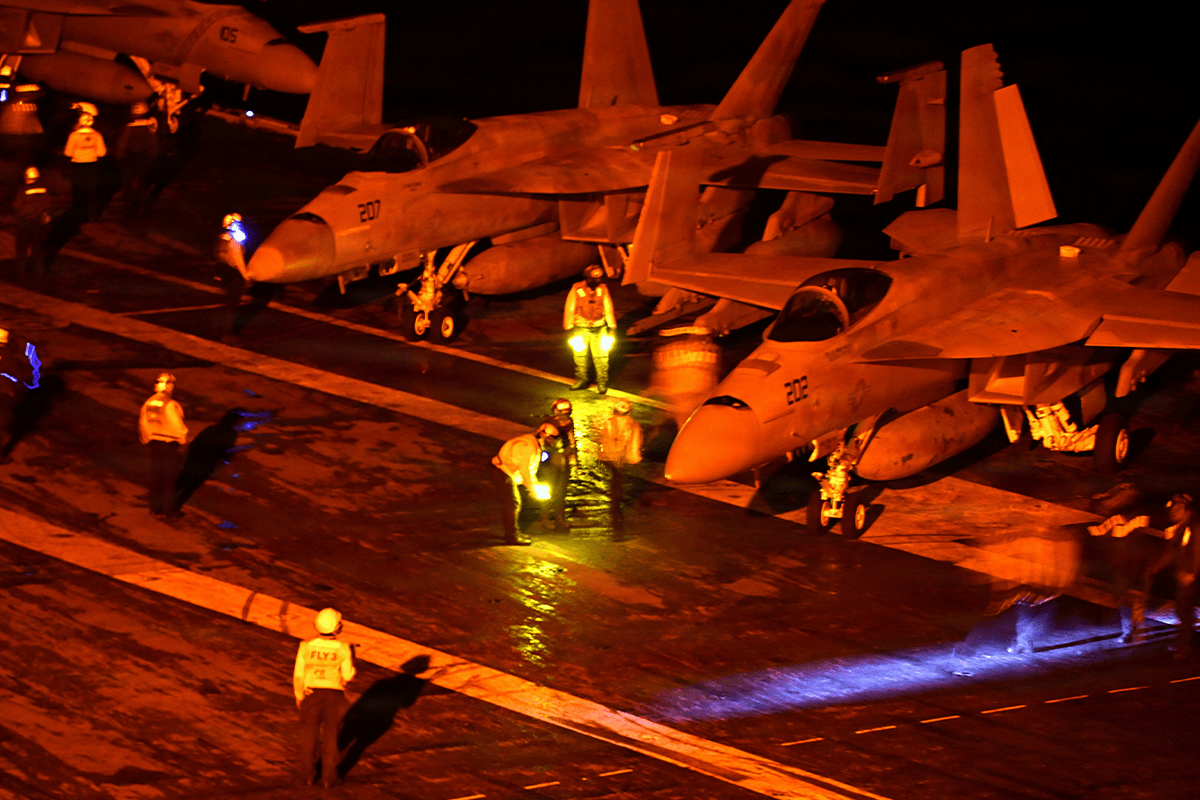
In any event, the US has once again reinforced its military presence in the Middle East in recent days, while the Israel Defense Forces has also raised its alert level and stepped up preparations for what may lie ahead.
The Iranians' awareness of these preparations could influence their willingness to negotiate. Still, it is doubtful that Tehran will abandon its core positions or its demands for an end to the blockade, the lifting of sanctions and a cessation of hostilities.
Washington and Jerusalem can draw up plans and set timetables that suit their interests, but they cannot afford to overlook Iran itself, which has already been caught off guard twice, in June 2025 and March 2026. Having learned from those experiences, the Iranians may decide to turn the tables and launch a preemptive strike, hoping to limit the damage they would suffer and perhaps even secure gains of their own.
Israeli security officials use the term "miscalculation" to describe the danger of a mistaken judgment that could trigger a wider escalation. That concern has prompted Israel to place its air defense systems on particularly high alert.
The bigger question: What would another war achieve?
The real question is not when another military campaign might begin, but what its objectives would be and what it could accomplish that the previous two campaigns, Operation Rising Lion and Operation Roaring Lion, failed to achieve.
Beyond eliminating immediate threats and disrupting Iran's efforts to rebuild and strengthen its military capabilities, Israeli officials are discussing the need to bring down the Iranian regime.
Yet no one can guarantee such an outcome. Regime change has eluded Israel so far, even if the next operation is indeed "different" in nature and scope, as officials suggest. It could potentially include strikes on Iran's national infrastructure.
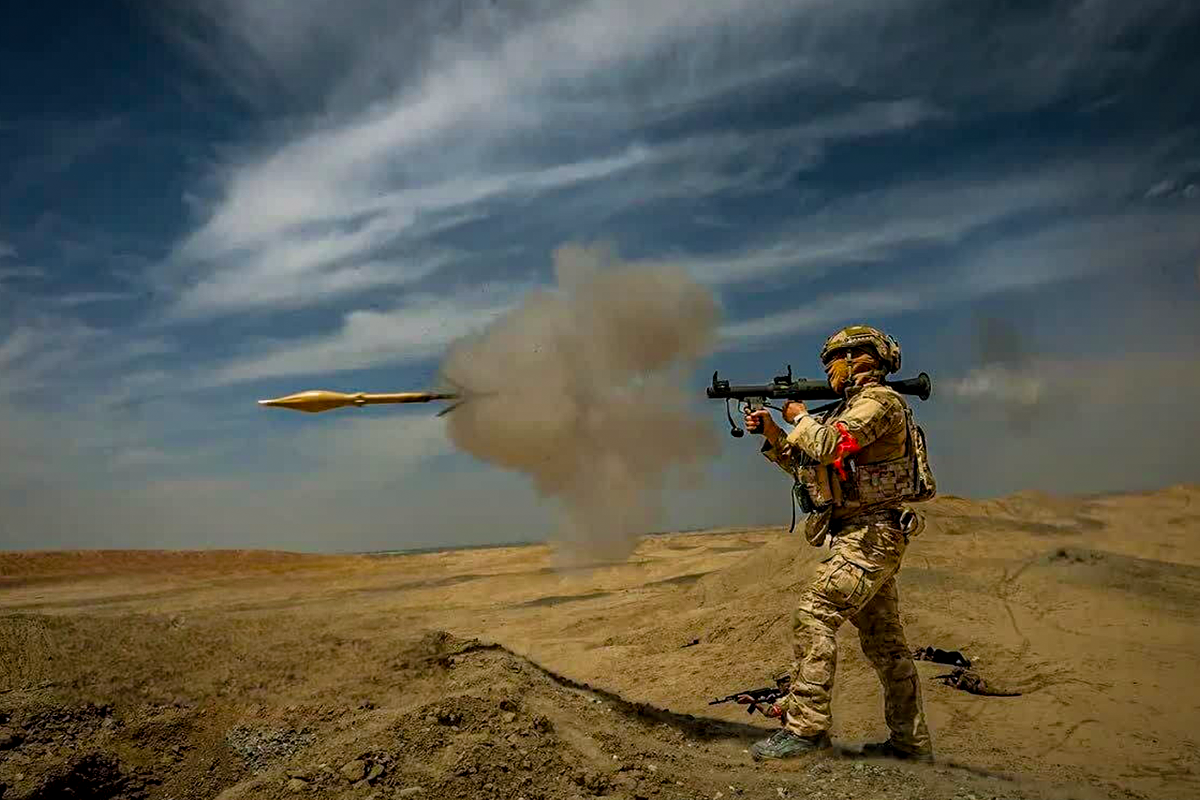
Another complication is that Israel and the US have different objectives for the campaign. While Israel is seeking to topple the Iranian regime, Washington would be prepared to settle for a better agreement that curbs Iran's nuclear program and ends Tehran's blockade of the Strait of Hormuz. The two countries also appear to differ over how long an operation should last. Trump has spoken of a campaign lasting only a few days, but the Iranians have already made clear that they will not allow another round of fighting to end quickly.
All of this must be considered alongside Israel's political turmoil and concerns among some that Prime Minister Benjamin Netanyahu could try to use a military operation to shape the domestic political landscape and prevent opposition leaders from forming a coalition with the support of Arab parties.
That said, credit is due to IDF Chief of Staff Lt. Gen. Eyal Zamir, who is deeply familiar with the intelligence picture and will know whether military action against Iran is genuinely necessary at this point.
As noted, without revealing too much, the Iranians are far from standing still. Based on conversations with several senior Israeli security officials, it is by no means certain that avoiding military action in the foreseeable future would serve Israel's interests.