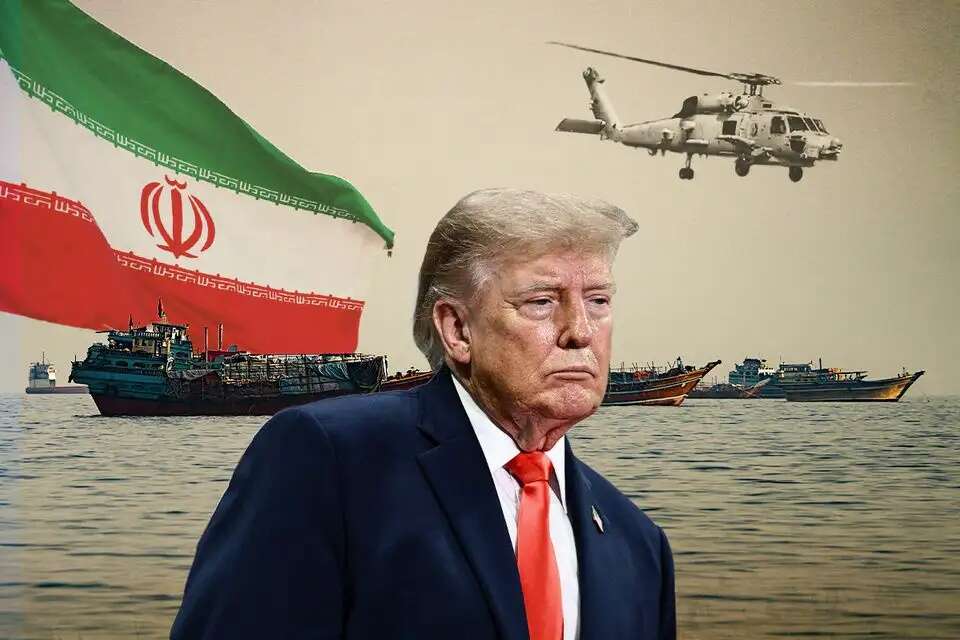
The US military carried out limited strikes overnight Monday into Tuesday on Iran's Qeshm Island, a US official told CNN. The official described the operation as a defensive measure in response to Iranian forces using surface-to-air missiles against American assets.
The strikes were not considered part of the large-scale military operation that US officials have been discussing recently, according to the report. The Wall Street Journal, which first reported the strikes, said similar operations had previously been conducted covertly. The Associated Press also described the strikes as defensive, reporting that they targeted Iranian surface-to-air missile launchers that had been used against US aircraft.
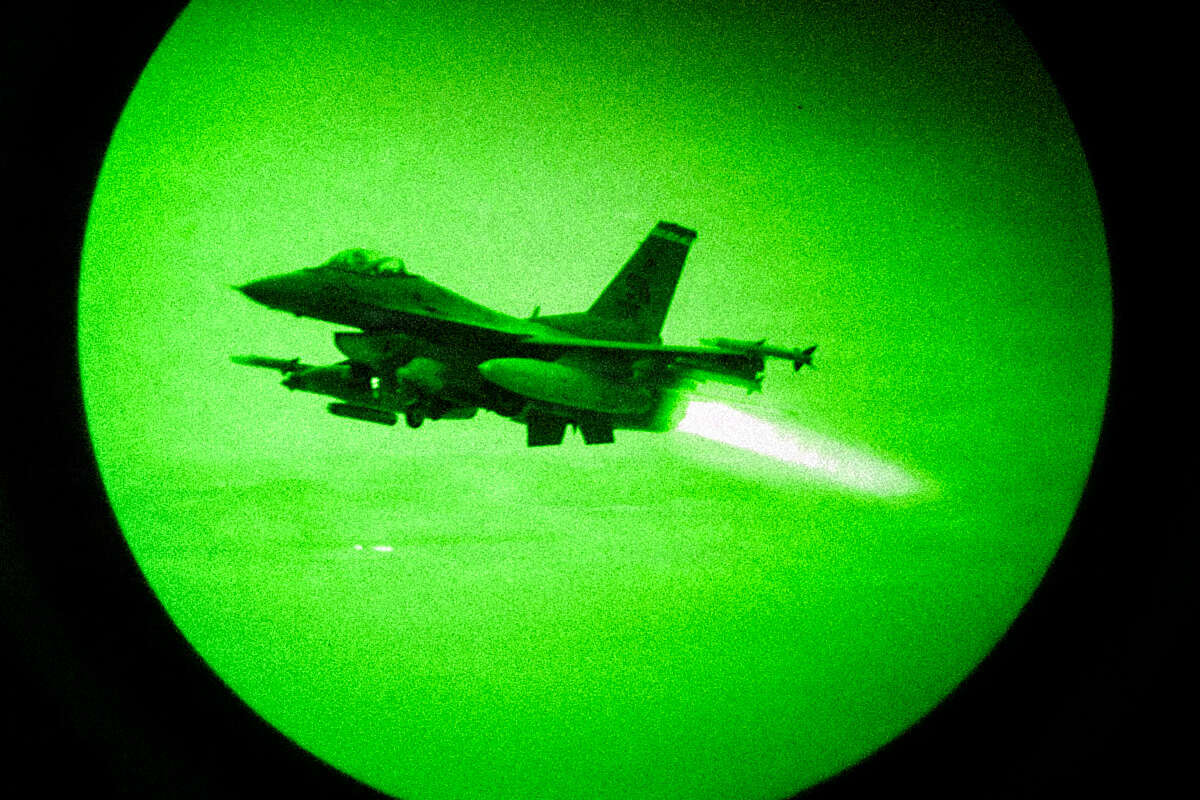
The latest operation, carried out on the eve of Election Day in the United States, underscores how far the confrontation with Iran remains from a resolution. Although the strikes do not appear to represent a significant military escalation, they highlight the continuing tensions and the possibility of renewed military hostilities.
Speaking to Fox News, US President Donald Trump said the United States had destroyed Iran's nuclear capabilities through bombing and might have to strike Pickaxe Mountain. He played down the prospect of such an operation, saying it could be completed in about an hour whenever Washington chose to act.
'Their economy is collapsing because of us'
Trump described the conflict as a "very soft war," arguing that the United States and Iran had gone months without fighting while negotiations continued.
He said Iran was in a weak negotiating position and that its economy was collapsing because of US pressure. He also questioned when American forces had last fired on Iranian targets, arguing that the current situation did not amount to a conventional war. Trump warned that further military action remained possible if Iran failed to reach an agreement, but said Tehran was eager to negotiate. "They want to make a deal very badly," he said.
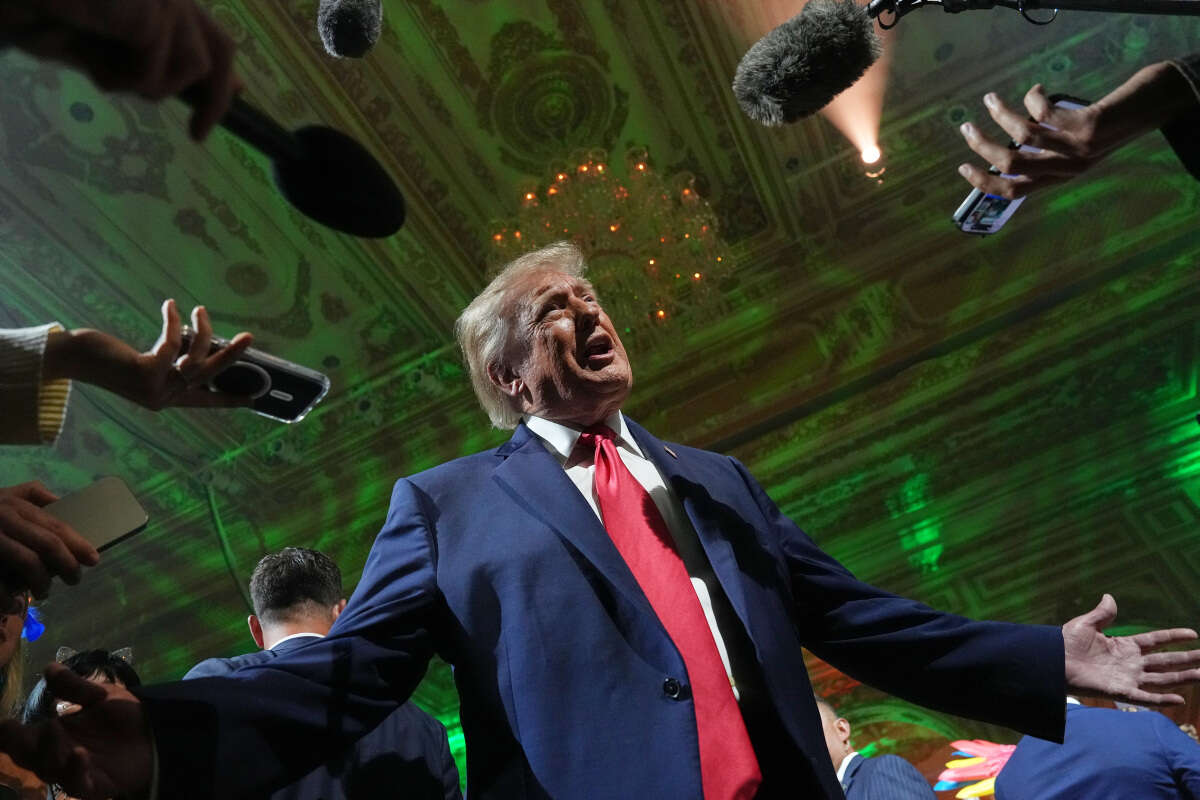
Trump expressed confidence that an agreement could be reached, arguing that Washington was negotiating from a position of overwhelming strength and could end the confrontation at any time. He said he would prefer a negotiated settlement that would save lives.
Meanwhile, a senior Iranian official told Reuters that Tehran and Washington remained far from reaching an agreement to end the war and that Iran would not accept excessive US demands. According to the official, the United States must meet Iran's conditions before the Strait of Hormuz can reopen. Only then could negotiations over Iran's nuclear program begin. The official also warned that Iran was prepared to respond forcefully to US strikes, both within the region and beyond.