Iranian President Masoud Pezeshkian said Iran's economic problems have worsened sharply since its war with the United States and Israel.
Speaking during a televised meeting with Iranian government bodies, Pezeshkian said rising prices were the result of higher import costs and declining state revenues caused by a drop in oil sales, according to Iranian media. Iranian sources have previously reported that Pezeshkian threatened to resign over the country's deepening economic crisis.
"Imported goods previously entered Iran through more direct routes, but now they have to travel along longer and more expensive routes, driving up prices. The decline in oil sales has cut government revenues, with Iran unable to sell oil at previous levels," Pezeshkian acknowledged.
"Our revenues have also declined. We used to sell oil, but now we cannot," he said. Damage to industrial facilities has added to the economic pressure, the Iranian president said, noting that many factories were hit and destroyed during the fighting with Israel and the US.
Pezeshkian said the damage had also reduced tax revenues, leaving the government struggling to collect payments from affected factories. "We can no longer collect taxes from factories. Not only that, but we also have to provide them with funds so they can continue operating," he said. "Our problems have multiplied many times over, while our revenues have also declined."
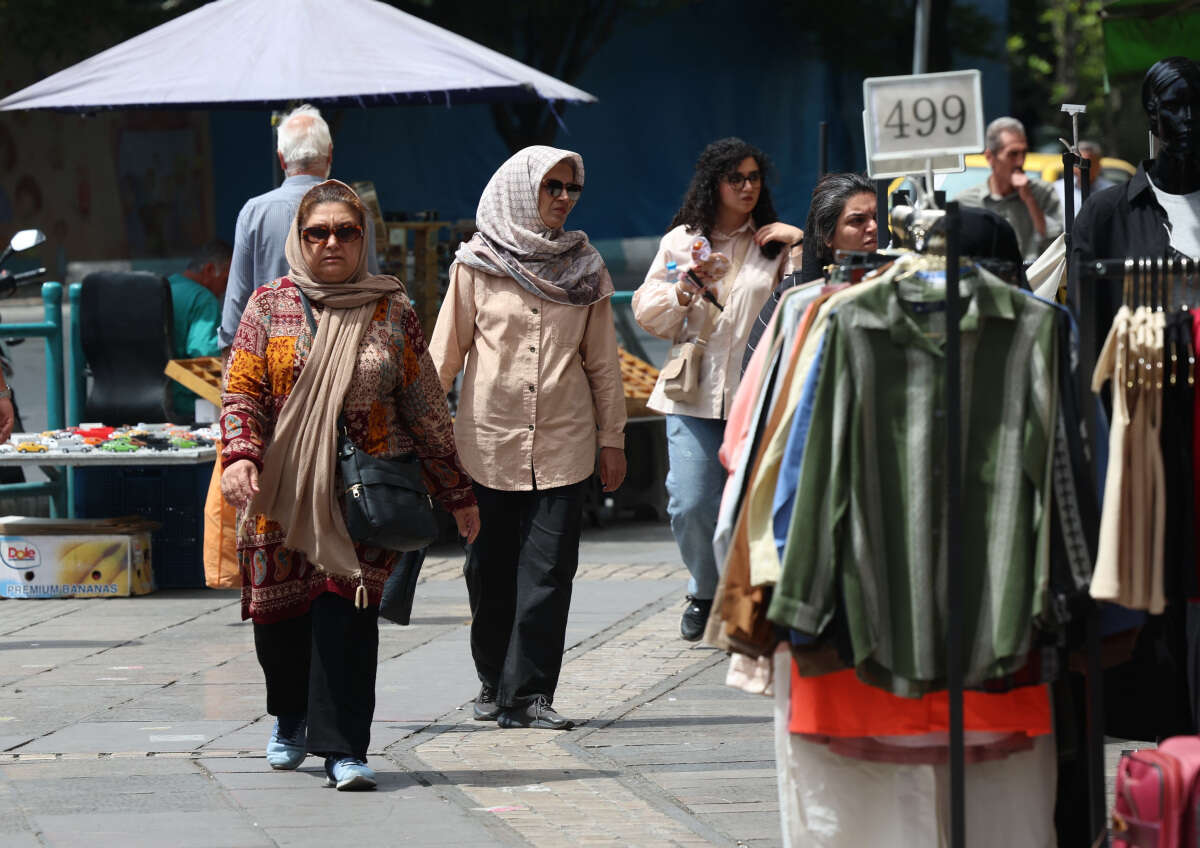
The economic crisis described by Pezeshkian is being keenly felt by ordinary Iranians. Reports last week said a wide range of products in the country's supermarkets had been subject to rationing. Iran International reported that stores had imposed limits on the number of bags of rice customers could purchase and that some retailers were allowing consumers to buy rice in installments.