Following fresh American restrictions aimed at devastating the Iranian economy, various international routes out of the country were grounded by multiple international airlines on Wednesday as well as local Iranian carriers.
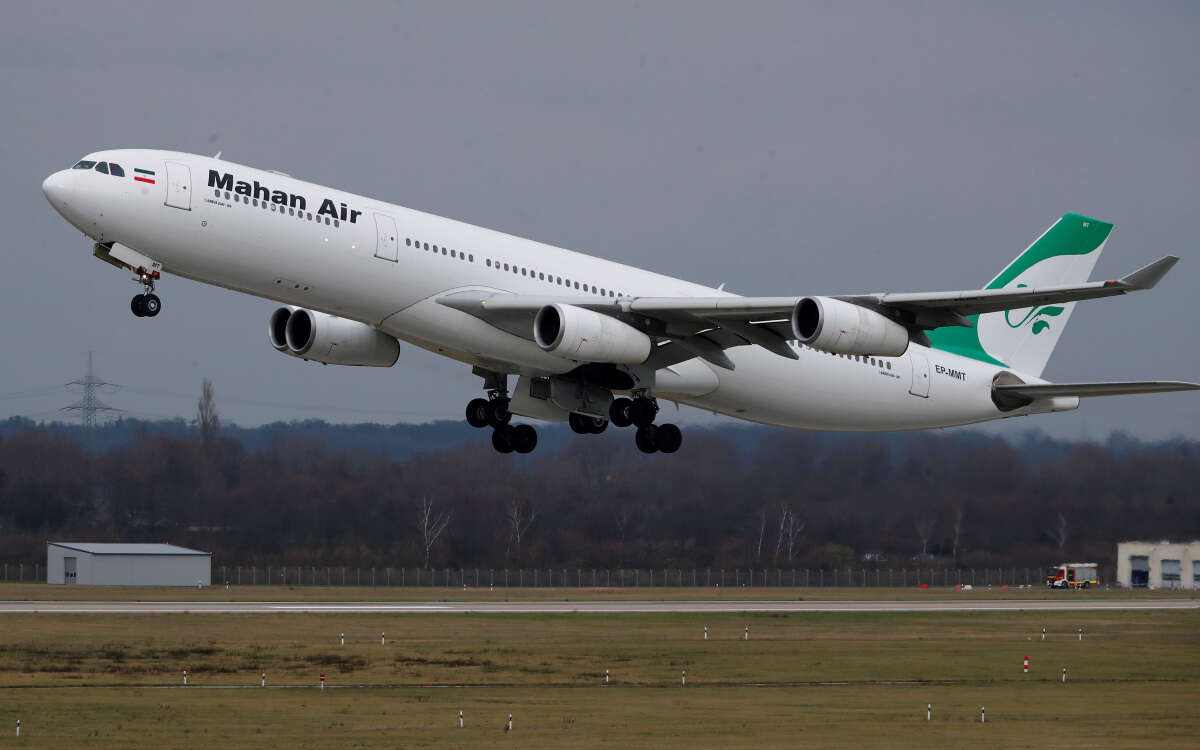
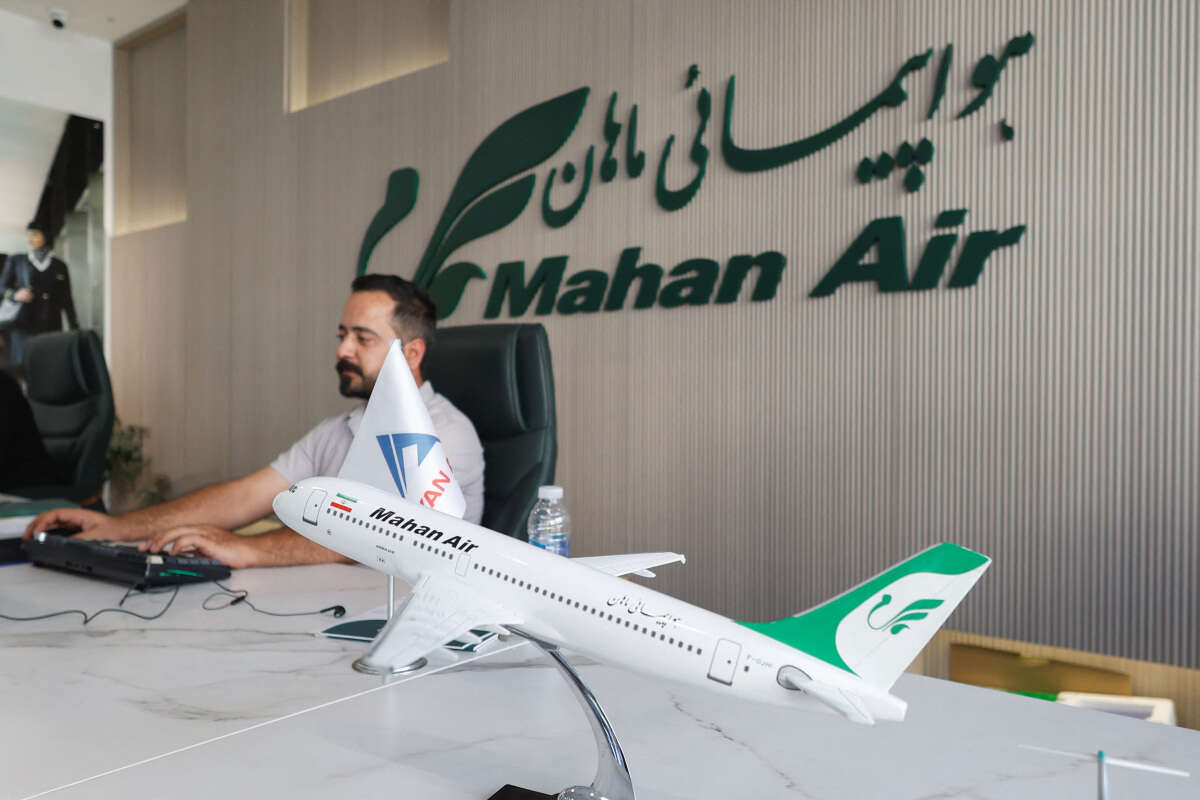
While connections to China and several other locations remained operational, services bound for Azerbaijan, Georgia, Qatar, Muscat and Baghdad were entirely halted, an industry representative in the Iranian capital confirmed to AFP, affecting the local Iranian carrier Mahan Air as well as international travel on those routes.
Some Turkish airlines also announced they would suspend routes to Iran, including the largest carrier in Turkey, Turkish Airlines, with its subsidiaries, although Iranian media said that while Mahan Air was delisted from schedules, other carriers appeared to continue offering flights in the Iran–Turkey route as of Wednesday, apparently smaller Iranian airlines, suggesting Ankara may not have cut off all air travel with the Islamic Republic. It was unclear if this was a temporary measure. The Tehran–Kabul path was also operating as of Wednesday.
The airlines and the airports were effectively forced into taking the step due to the US threatening to blacklist any entity providing services or transacting with the Iranian travel industry. International carriers rely on their destination airports for fueling and other services and hence risk secondary sanctions even if they just use Iranian services while stationary. Likewise, servicing Iranian aircraft would also fall under the proscribed activity.
"If they land, you cannot provide them with fuel, you cannot provide them with landing services, you cannot sell them tickets," US Treasury Secretary Scott Bessent told CNBC on Monday, warning that companies that defy the restrictions could be pushed out of the dollar system.
The latest restrictions were revealed on Sept. 21 by Treasury Secretary Scott Bessent, fulfilling a previous warning to bring about "economic D-Day" for the nation in a bid to demand capitulation after almost seven months of conflict.
Because the country's flight operations have faced longstanding penalties, the true severity of these updated rules – and the extent of global cooperation with them – is still uncertain.
FlightRadar24 monitoring information indicated that a Mahan Air jet traveling from the Iranian capital successfully touched down in the Chinese city of Guangzhou, despite the updated regulations taking hold on Sept. 23.
Officials in Beijing denounced the American measures as unlawful and voiced their objection, while schedules at the main airport in Tehran showed a Shanghai-bound departure was slated Wednesday.
This Chinese posture is in continuation of China's ongoing policy of not recognizing the Trump administration's anti-Iran sanctions, including on oil trade, coming just hours before President Xi Jinping was to hold a summit in Washington with President Donald Trump. China's ambassador to Israel, Xiao Junzheng, has recently told Israel Hayom his country does not sell weapons to Iran but he stopped short of embracing the economic isolation effort led by Washington, presumably because Beijing needs Iranian oil for its energy needs, buying nearly all of Iran's sanctioned crude and serving as Tehran's largest commercial lifeline.
Xiao noted that "China calls for reopening the Strait of Hormuz as soon as possible on the basis of continued ceasefire, and believes that the fundamental solution to the stalemate in the strait lies in achieving a permanent and comprehensive ceasefire." According to Xiao, "China has been working to promote peace talks, and will continue to play its role for an early end to the conflict and restoration of peace in the Middle East."