Iran is reviewing a series of proposals presented by mediators that could shape the future of its nuclear program, The New York Times reported, citing five officials briefed on the negotiations. According to the officials, Tehran's willingness to revisit the nuclear issue after weeks of refusing to budge from its positions could signal progress in Qatar's efforts to prevent a return to full-scale war.
The newspaper described the development as a possible breakthrough in the stalled negotiations, as US President Donald Trump and Israel weigh a major attack on Iran.
The officials, including one American and two Iranians, described the proposals as "concrete" but did not disclose their contents. Iran's Foreign Ministry did not respond to the newspaper's request for comment.
According to the officials, Qatar has led an intensive diplomatic effort with Iran over the past week, participating in two rounds of talks in Tehran and hosting a third in Doha. Two of the officials said Qatari mediators had also recently met Iranian representatives in Armenia.
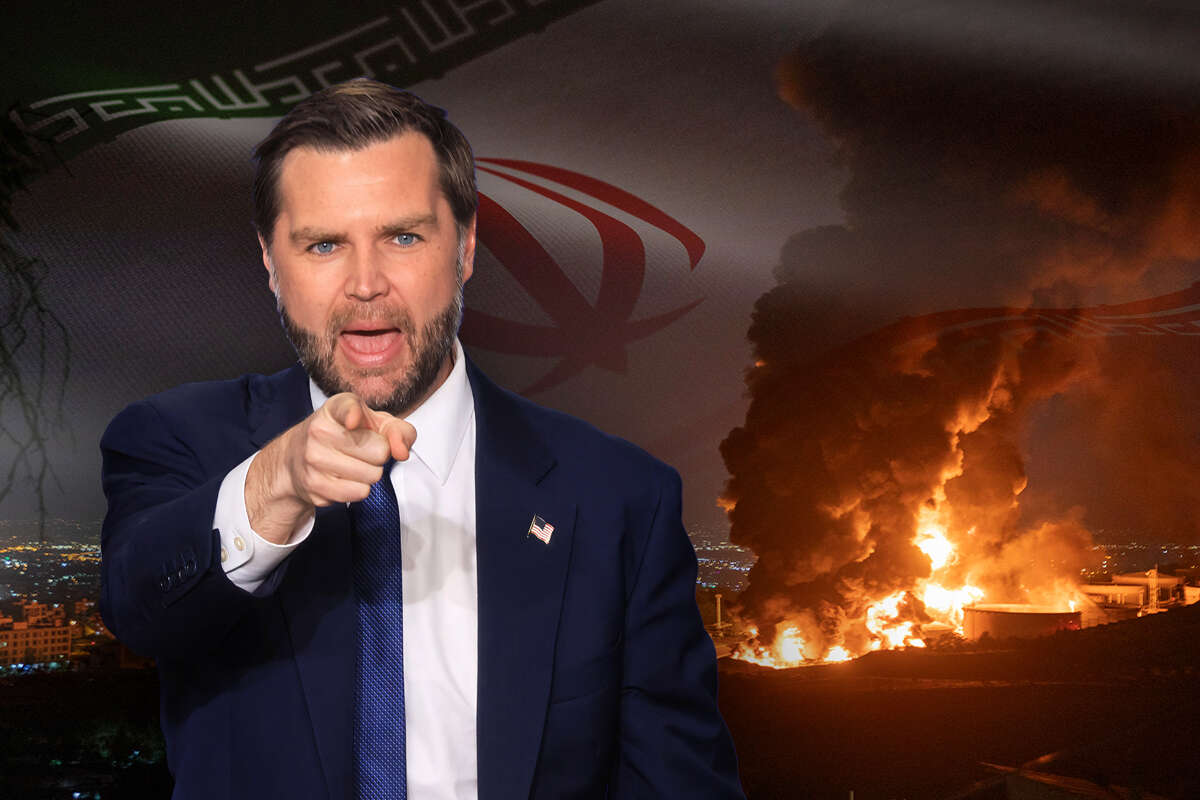
Three of the officials said US Vice President JD Vance had emerged as a key supporter of Qatar's mediation efforts to avert a military escalation. Last month, Vance sent a letter to Mohsen Rezaei, secretary of Iran's Supreme National Security Council, proposing direct peace talks that would also address the nuclear program.
Rezaei said the letter showed that the US had changed its tone toward Iran, describing it as a sign of "the strength and victory of the Iranian people."
In a televised address Saturday, Rezaei suggested that Iran would not enter nuclear negotiations until the US met its demands, including the release of frozen Iranian assets, the lifting of sanctions on Iranian oil and an end to the naval blockade of Iranian ports.
Behind closed doors, however, Rezaei has shown greater willingness to discuss the nuclear issue, according to the two Iranian officials and the American official. He is leading negotiations with the Qataris alongside other senior Iranian figures, including Foreign Minister Abbas Araghchi and Parliament Speaker Mohammad Bagher Ghalibaf.
Dispute over enriched uranium
As of Thursday, Iran and the US were reviewing the mediators' latest proposals in an effort to bridge their remaining differences, according to the report.
One of the main sticking points is the fate of Iran's stockpile of highly enriched uranium. Tehran insists that the uranium must remain in the country. In previous rounds of negotiations, Iran discussed the possibility of diluting the stockpile on its own territory under the supervision of international inspectors.
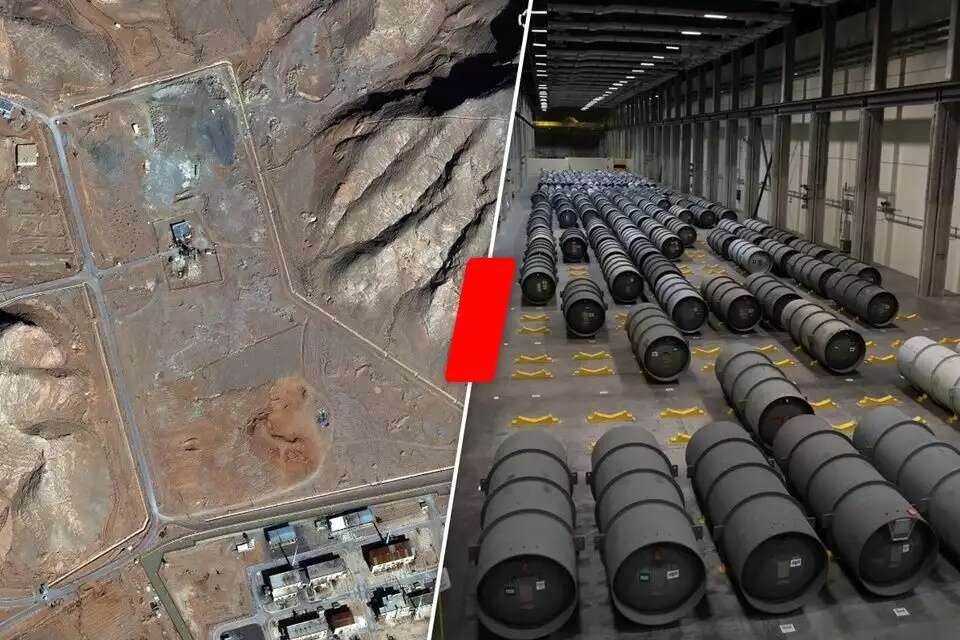
According to The New York Times, the US and Israel have already drawn up a list of potential targets for an attack, including energy infrastructure and other sites vital to Iran's economy.
Iranian leaders, meanwhile, have warned that if their country comes under attack again, its forces will expand the range of targets they strike. At the same time, Iranian officials and clerics are debating whether the country should withdraw from the Nuclear Non-Proliferation Treaty (NPT).
Vance pushes for a deal
Vance, who had been the most outspoken opponent of an all-out war within Trump's inner circle before the February attack, said Monday that progress had been made with the Iranians. "Look, the president and I both feel pretty good about the prospects for potentially coming to a negotiated settlement," he said.
On Wednesday, Vance went further, blaming the war for the Republicans' defeat in the midterm elections. "The reason we lost is the war," he wrote on X.
According to Vance, a pollster who asked voters who had supported Trump in 2024 but switched to the Democrats what might bring them back to the Republican Party received four main answers: ending the war, focusing on the cost of living and inflation, putting "America First" and "change our relationship to Israel."
Trump said Wednesday that Vance's assessment was "largely true," but defended his decision to launch the attack on Iran.