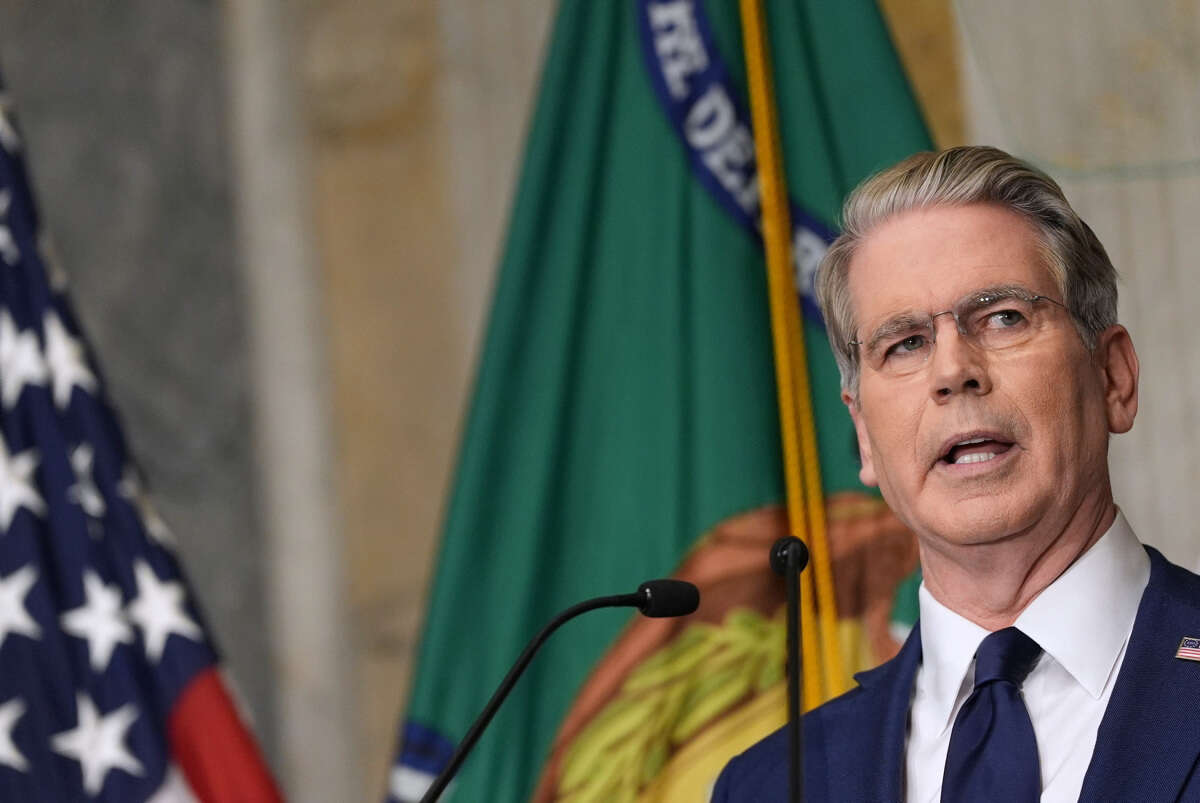
Monday saw US Treasury Secretary Scott Bessent outline a fresh wave of penalties to isolate Iran further, NBC News disclosed. His declaration came on the heels of warnings regarding "an economic D-Day."
The impending restrictions will focus on multinational firms that support Iranian commerce across the aviation, gold, cryptocurrency, oil, and shipping sectors.
President Donald Trump has actively contacted international heads of state, Bessent remarked. These discussions involved "specific requests" for governments to terminate economic engagement with Tehran.
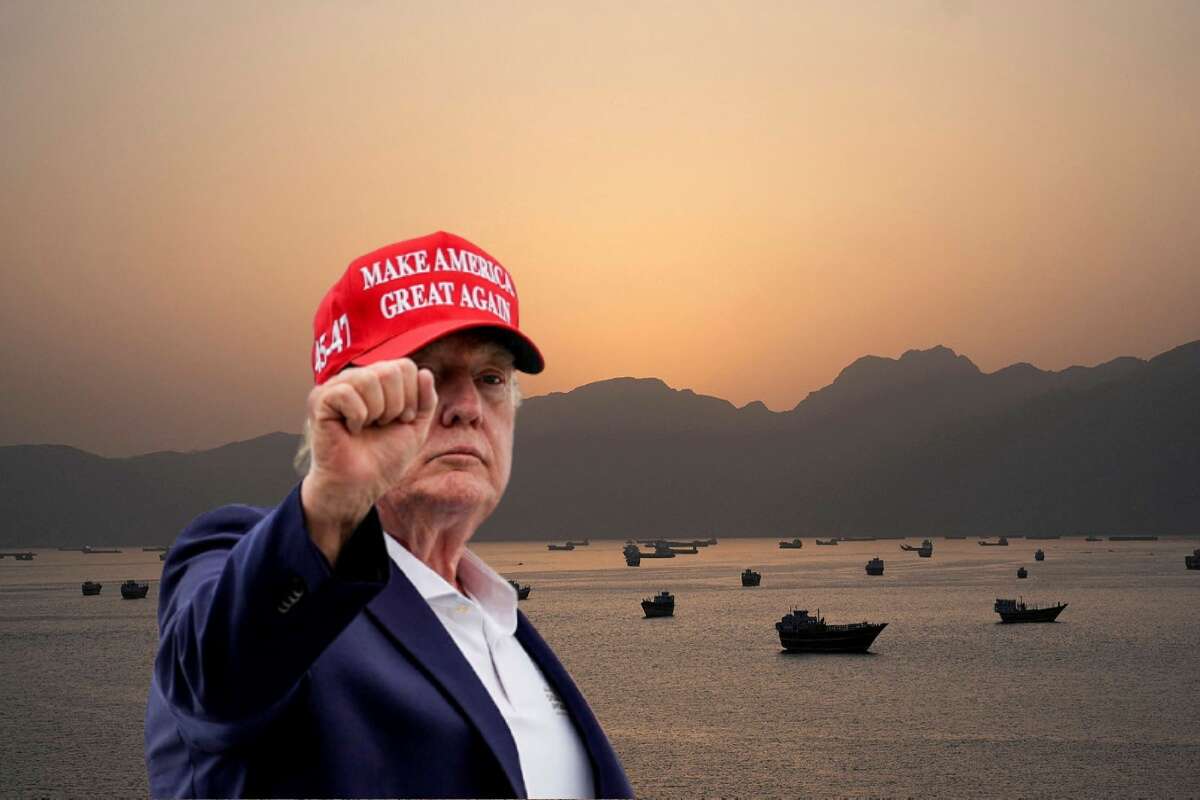
The treasury secretary described a sweeping strategy as an "economic onslaught" aimed at Tehran's monetary ties "around the globe," according to the NBC News review. He stressed that the primary goal is to "sever every economic pipeline" relied upon by the nation "until Tehran stands alone."
Washington has utilized "quiet diplomacy" to alert commercial partners about the severe repercussions of sustained trade with Iran, Bessent stated. Institutions facilitating money laundering for the regime will face permanent expulsion from the US financial system.
"No one is above the reach of US sanctions," the secretary cautioned, NBC News observed. He noted the implementation of a "cure period," giving foreign actors a window to wind down prohibited activities.
Markets essentially ignored Bessent's statements. The administration provided no immediate timetable for specific enforcement actions. Decades of direct US embargoes have targeted Iranian entities tied to illicit operations like weapons development, per the NBC News assessment. Tehran, however, consistently circumvented these barriers by establishing clandestine front companies.
In a Financial Times editorial published Sunday, Bessent declared his intention to unleash "the single greatest financial offensive ever," setting the stage for Monday's press conference.
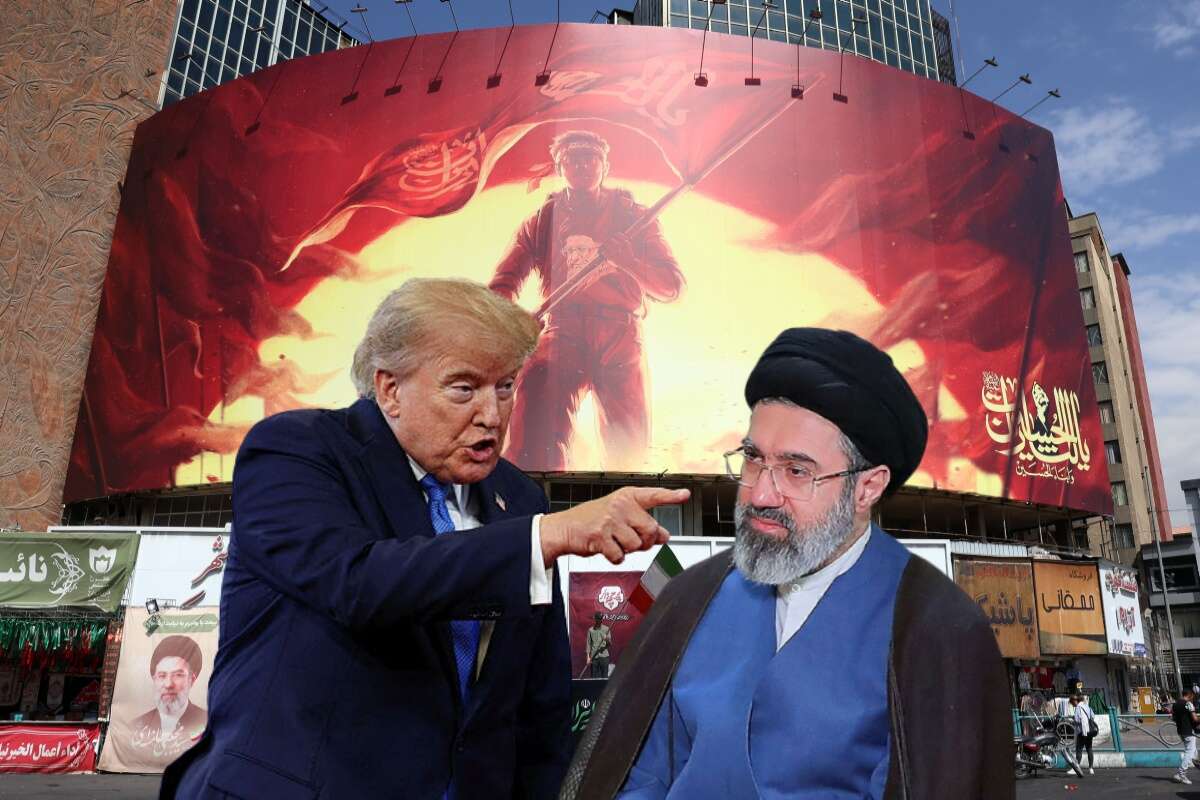
"The world should understand that our objective is to sever every economic lifeline that sustains the tyrannical regime until Tehran stands alone," the publication noted, citing his op-ed. He explicitly warned that nations continuing to embrace Iranian partnerships would face parallel economic devastation.
The new sanctions explicitly target "secondary" nations reaping economic benefits from Iranian trade. The United Arab Emirates – a key US partner with strong ties to Trump's inner circle – preemptively halted all Iranian commerce just before Bessent's speech.
The ultimate impact of these threats relies heavily on the reactions of Russia, India, and China, NBC News emphasized. These nations represent Iran's most robust economic lifelines.
"If you're a country like Russia or China, you see Iran as ally, and you're not just going to suddenly stop trading with them – that damages Moscow's credibility in eyes of their friends around the world," Leiden University US foreign policy expert Andrew Gawthrope explained. He observed, "There's just not much US can do to these countries to make them go along with this."
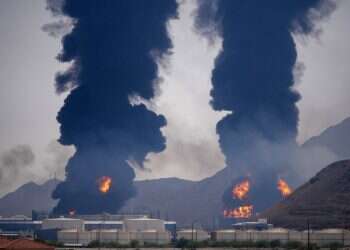
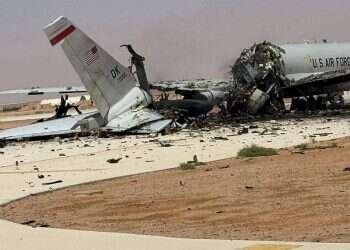
A joint US-Israeli military campaign against Iran commenced nearly six months ago. The operation was launched under the stated objective of dismantling Tehran's nuclear ambitions.
Astronomical costs have been absorbed by the United States during the conflict. Defense Secretary Pete Hegseth pegged direct military expenditures at $37.5 billion in recent remarks, while broader economic analyses project a $150 billion toll. Moody's Analytics Chief Economist Mark Zandi previously calculated that elevated energy and food prices have extracted over $1,200 from the typical American household's budget.
Trump faces mounting political headwinds ahead of November's midterm contests due to the prolonged engagement, the outlet indicated. His public approval has cratered to unprecedented lows for his political career. Analysts suggest the conflict's disruption of fuel markets has severely exacerbated bond market volatility, prompting aggressive Treasury interventions.
Iranian Parliament Speaker Mohammad Bagher Ghalibaf responded critically via X as Bessent delivered his remarks. Until recently, Ghalibaf directed Tehran's diplomatic efforts to resolve the hostilities.

"Americans know that no one buys their bombast; the United States is not in an economic position to further restrict its relations with other countries," Ghalibaf wrote, NBC News mentioned. He added, "Iran's trading partners, both in the media and through messages sent to us, have made it clear that they don't take these statements into account anywhere."
Deputy Foreign Minister Kazem Gharibabadi also took to X prior to the announcement, challenging whether the sanctions blitz represented "an admission of America's defeat?" Highlighting earlier US declarations regarding the annihilation of Iranian forces, he argued that "dealing with this very Iran has required the 'largest financial offensive in history' and the mobilization of 'all of America's institutions and authorities.'"
Iran's Central Bank Governor, Abdolnaser Hemmati, dismissed the American threats in a statement to the Tasnim news agency, according to the network's coverage. He asserted that Washington had "done everything it could in terms of sanctions up to now and the recent claims do not introduce any new restrictions or additional pressure."