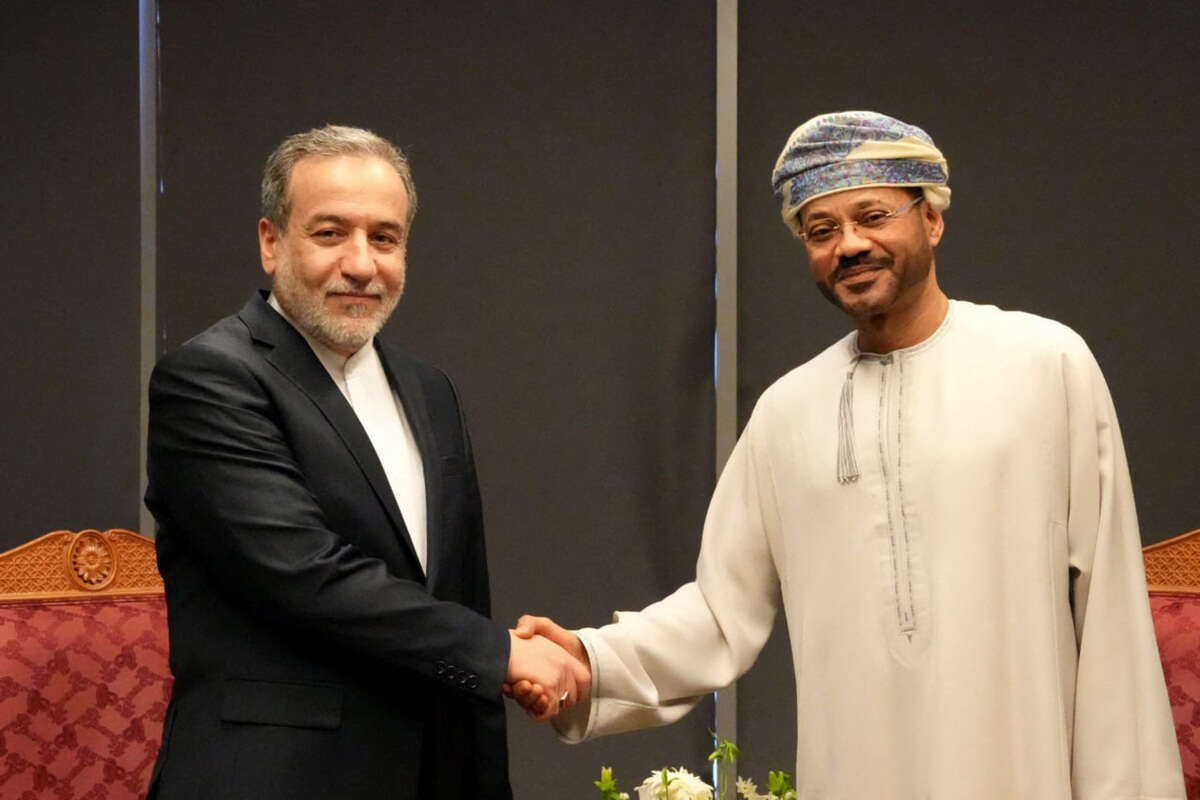
The United States deliberately removed itself from a now-nixed planned Monday conference between Iranian and Gulf delegates regarding an Omani blueprint for restoring oil vessel traffic in the Strait of Hormuz. American officials instead aim to leverage the maritime crisis to force nuclear negotiations, CNN indicated.
Oman's foreign affairs chief confirmed an indefinite delay for the event on Sunday. This cancellation followed widespread public reporting of the imminent talks.
American military escorts currently shield petroleum carriers within the waterway. President Donald Trump argues this armed protection makes the immediate situation acceptable, ignoring the overarching depression in maritime commerce.
Three insiders confirmed that Trump's cabinet relayed specific priorities to Gulf partners in private. Washington desires to direct any upcoming diplomatic engagement with Tehran strictly toward nuclear matters, deliberately avoiding waterway normalization.
Gulf nations aggressively seek bypass options, proving their refusal to accept the militarized corridor as a permanent reality. Envoys previously spent months designing a nuanced legal mechanism to permit Iranian and Omani toll operations, hoping the canceled Monday summit would generate momentum to bypass the American blockade.
The Saudi government feared the drafted framework could cement a disadvantageous reality. Officials subsequently introduced textual alterations to protect Gulf Cooperation Council members from unacceptable precedents.
Three individuals familiar with the strategy noted the Omani proposal includes optional payments for security guidance and ecological defense. While the broader community firmly opposes mandatory Iranian levies, stakeholders remain open to these discretionary contributions.
Finalizing explicit transit charts represented a core objective for the Monday gathering, an informant stated. The American decision to simply monitor the event rather than participate renders any comprehensive reopening agreement between Iran and the Gulf Cooperation Council fundamentally impossible.
"The United States is in close communication with all of our regional partners and will remain so before, during, and after the meeting. Iran does not control the Strait of Hormuz and never will," an American official declared on Sunday, roughly sixty minutes prior to the Omani cancellation.
Washington previously failed to predict Tehran's readiness to blockade the zone following joint Israeli and US combat operations, allowing Iran to disrupt trade ships and drag out the hostilities. However, a separate American official indicated that US troops now consider themselves the dominant tactical force within the maritime passage.
"We don't want to talk about the strait, and that is the position of the administration right now – we're only going to talk to you if you want to talk about nuclear file," the official emphasized.
Regional contacts disclosed that Tehran demands the removal of the American blockade before entertaining any atomic talks with Washington. Kickstarting a formal reopening of the channel therefore operates as a mandatory prerequisite for broader nuclear diplomacy and conflict resolution.
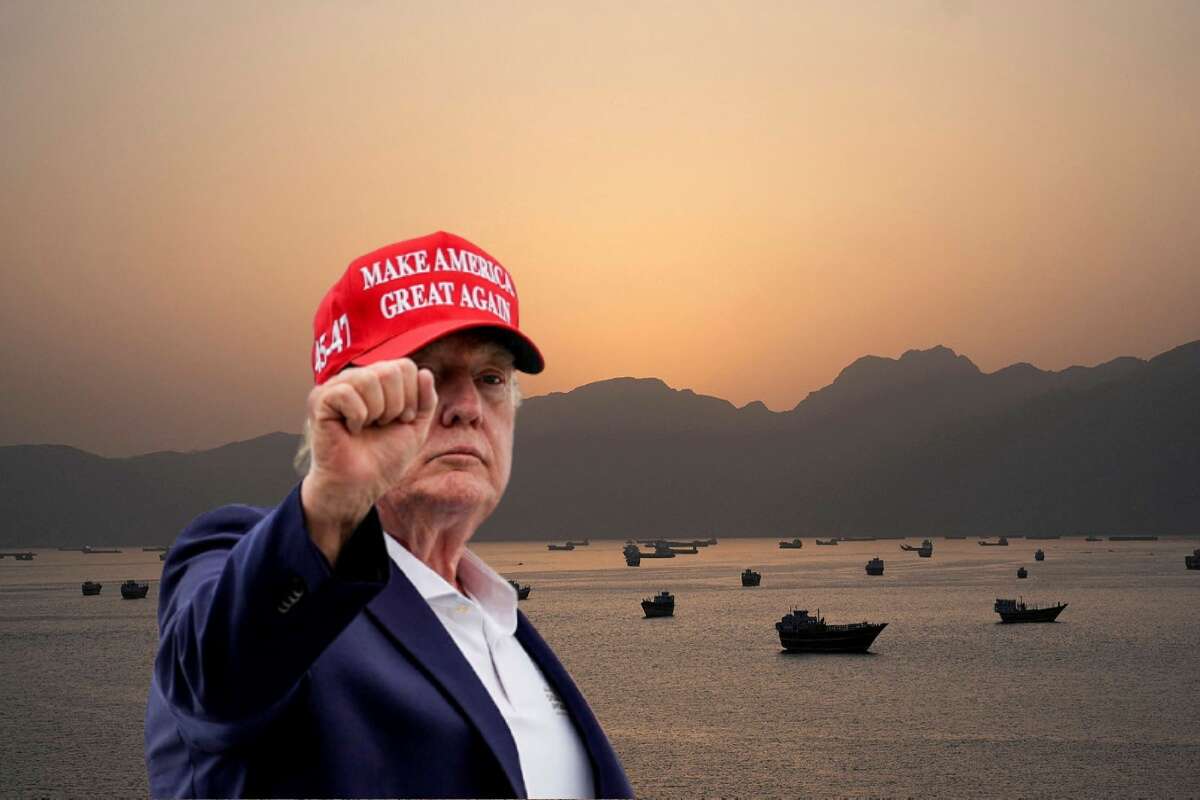
Free and unrestricted commercial access defined the waterway prior to the hostilities. Early in the conflict, regional leaders and the US drew a firm line against introducing novel tariffs, specifically aiming to deny Iran any financial windfalls, making compulsory tanker duties a severe sticking point.
Trump's team reviewed the ongoing Omani legal drafts recently without offering public endorsement, sources revealed. The administration and Trump himself continually broadcast the narrative that the US remains the exclusive power capable of guaranteeing a functional channel.
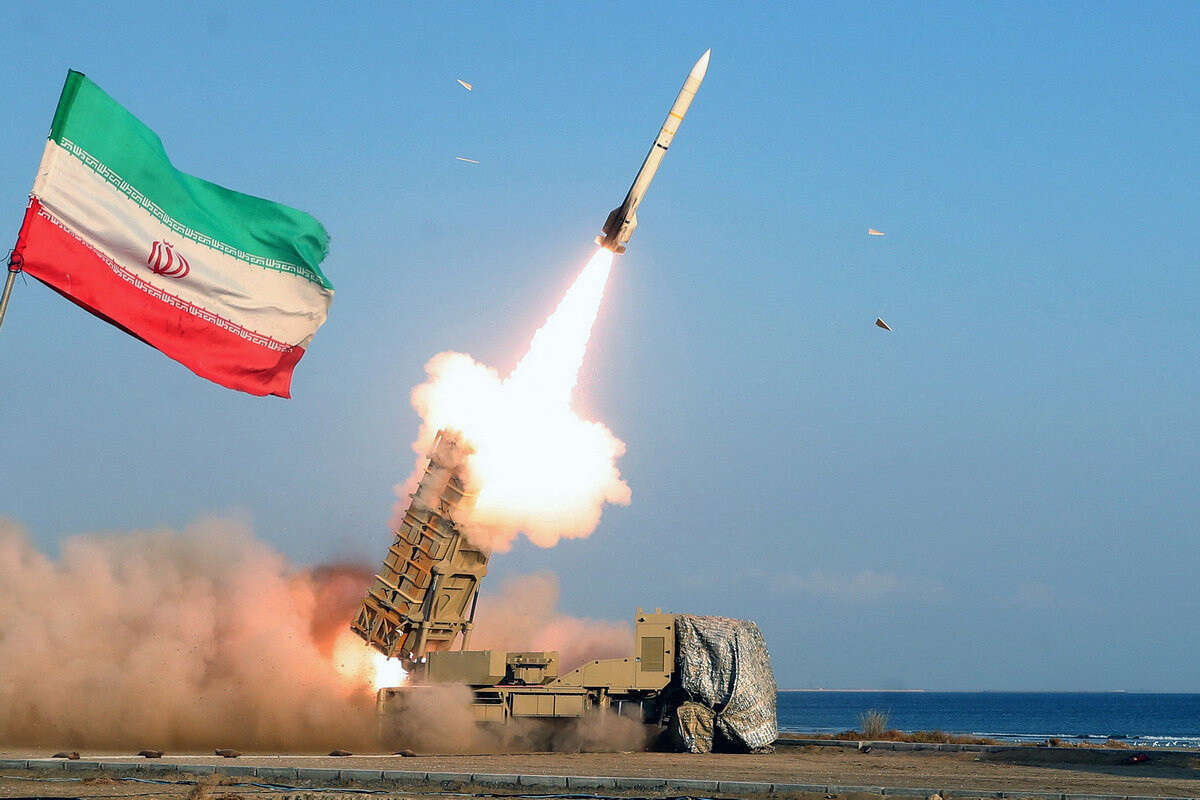
American military convoys facilitated a massive spike in oil freighter traffic through the channel recently. Merchant vessels attempting the crossing nonetheless face routine offensive action from Iranian units.
Observers question the long-term viability of this massive American maritime footprint. The military's capacity to endlessly dedicate naval resources for shepherding commercial traffic remains uncertain.
Administration officials actively work to diminish the projected global value of the passage. Scott Bessent recently asserted the corridor will be reduced to "like a worthless piece of water" within a two-year timeframe.