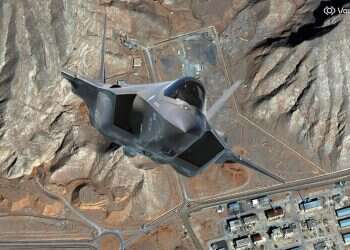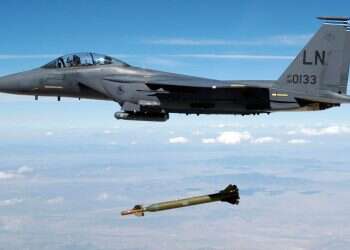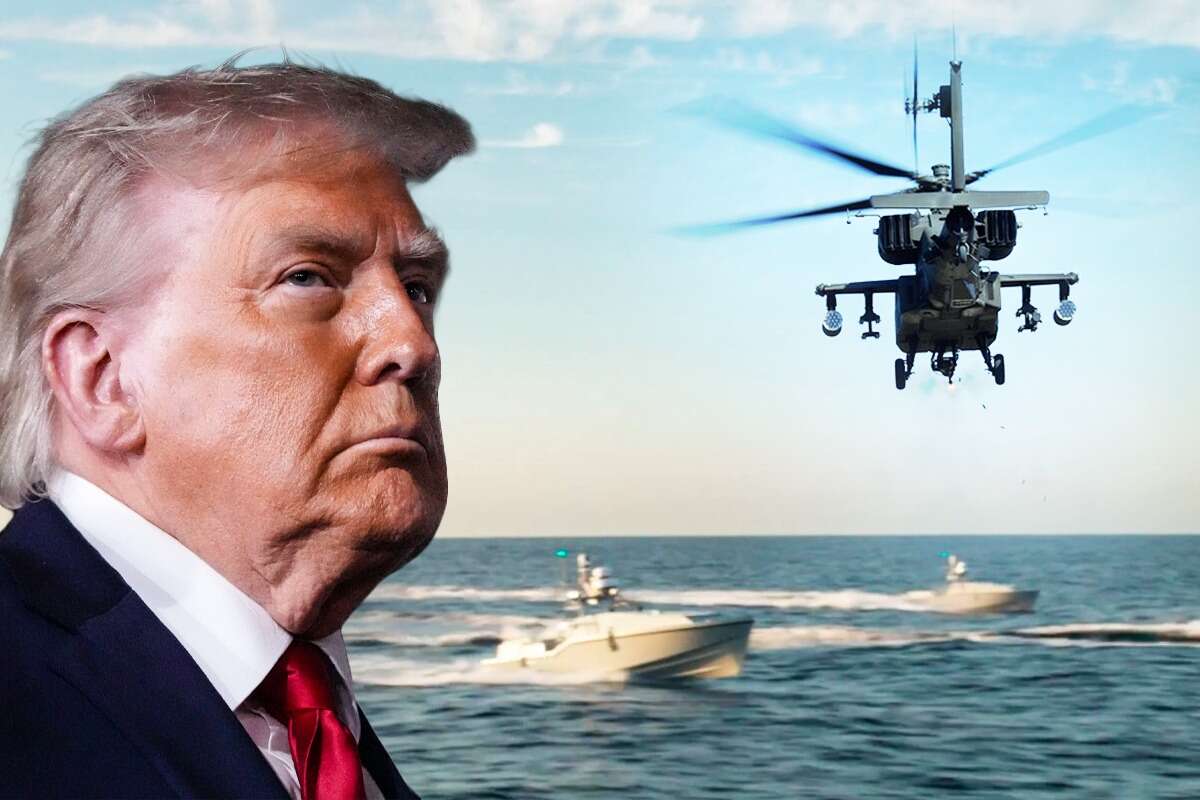
Middle East intermediaries are scrambling to restart talks as Washington deploys warships and Jerusalem prepares potential strikes, The Wall Street Journal reports.
President Trump stated that American forces won't attack Iran before the November 3 midterm elections. He warned via social media Sunday, however, that unless Tehran changes behavior, the US and Israel "will soon finish the job."
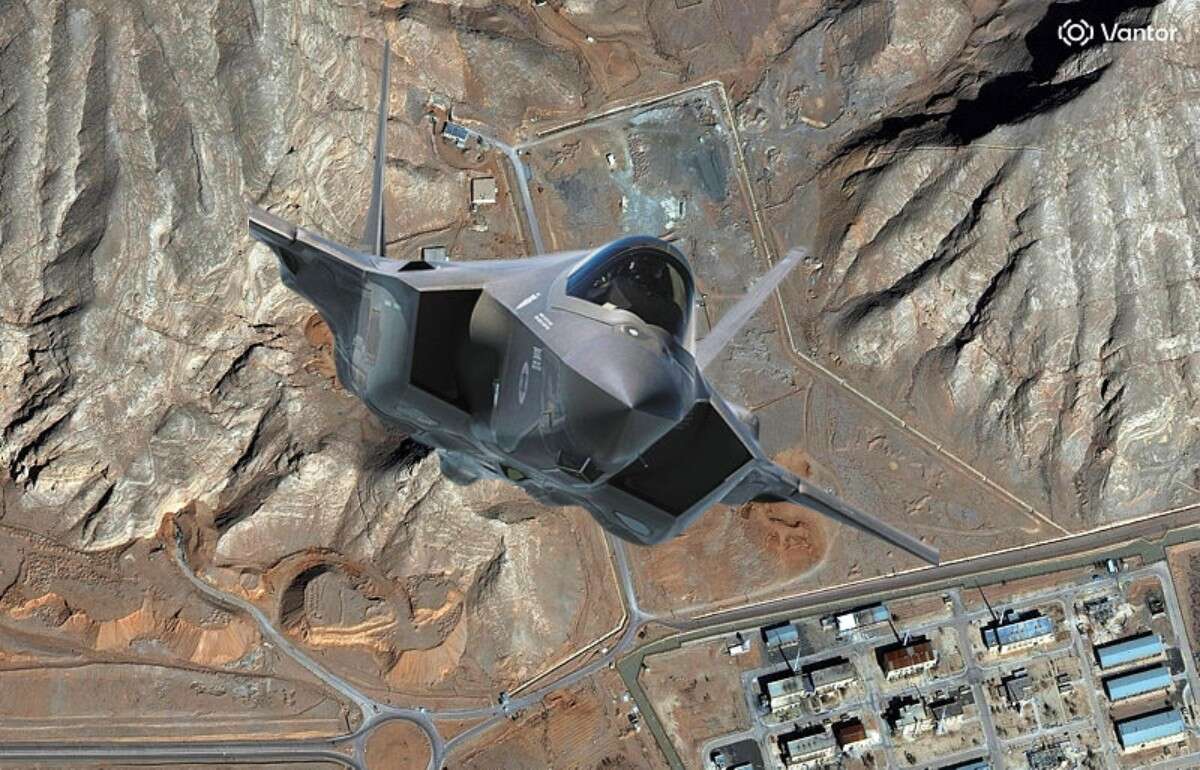
Pentagon officials prepared multiple strike options, backed by regional carrier groups and incoming reinforcements. Personnel relocated from regional bases following threats from Iran and Houthi allies targeting Saudi Arabia (covering distances exceeding 1,000 miles or 1,609 kilometers).
Prime Minister Benjamin Netanyahu pushes for renewed strikes, with military planners having drafted a multi-day bombing campaign earlier this month targeting nuclear and regime sites, though the operation was paused after Trump opposed pre-election military action, according to a briefed source who spoke with the Journal.
White House spokeswoman Anna Kelly stated that the US wouldn't be attacking Iran "at any time prior to the midterm elections." Reporting from the USS George Washington earlier this month, The Wall Street Journal journalist Shelby Holliday documented preparations for potential military action. Capt. Tim Hawkins noted that the military doesn't discuss asset movements for security reasons.
Regional officials view escalation risks seriously. While Washington demands nuclear negotiations, Tehran seeks to limit talks to reopening the Strait of Hormuz. Pakistani army chief Asim Munir and Qatari diplomats visited Tehran on Tuesday to break the deadlock, floating proposals involving unfrozen funds and uranium transfers to Russia, though Iranian hard-liners rejected concessions.
Iranian Foreign Minister Abbas Araghchi warned in the Financial Times against further military escalation. "I am duty-bound to warn that any further escalation around the Strait of Hormuz or elsewhere in the region will put civilian lives and the wellbeing of all regional states and the global economy at great risk," he wrote.
Current naval assets exceed twenty warships, with incoming carrier groups expanding operational capabilities. Netanyahu, who reportedly continues pushing for strikes, presented new intelligence targets to US Defense Secretary Pete Hegseth during a Monday meeting at an Israeli air base, the outlet reported.
Historical conflict phases saw over 20,000 strikes against Iran, prompting massive retaliatory missile barrages across Gulf energy infrastructure. Hegseth stated on Tuesday after his Middle East trip, as noted by The Wall Street Journal, "We want to make sure that Iran never gets a nuclear weapon. If they're not willing to give it up, and the president asks us to go even further, we're prepared."