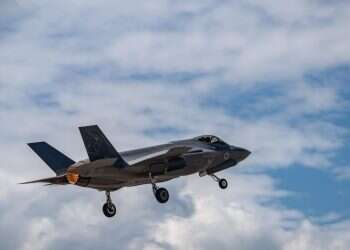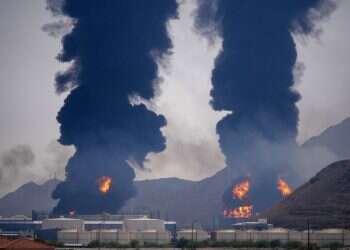
Following the American midterms, Washington and Jerusalem plan to resume bombardments against Iran, according to The New York Times. Joint aerial drills have escalated in Iraq, while US Defense Secretary Pete Hegseth met Israeli Prime Minister Benjamin Netanyahu to finalize targeting of Tehran's atomic and energy sites.
Anonymously discussing these blueprints, officials warned that Tehran plans to expand retaliation to underwater internet cables. Meanwhile, American diplomats are leveraging this military buildup to demand nuclear concessions.
Planners hope a furious three-day assault will collapse the Iranian economy, yet previous strikes only spiked global inflation and depleted US interceptor stockpiles. Furthermore, Trump continually vetoes escalations, recently canceling an imminent offensive. Before Trump suddenly canceled the mission earlier this month, Washington and Jerusalem were moments away from launching joint strikes with their air forces on highest alert, the report claims.
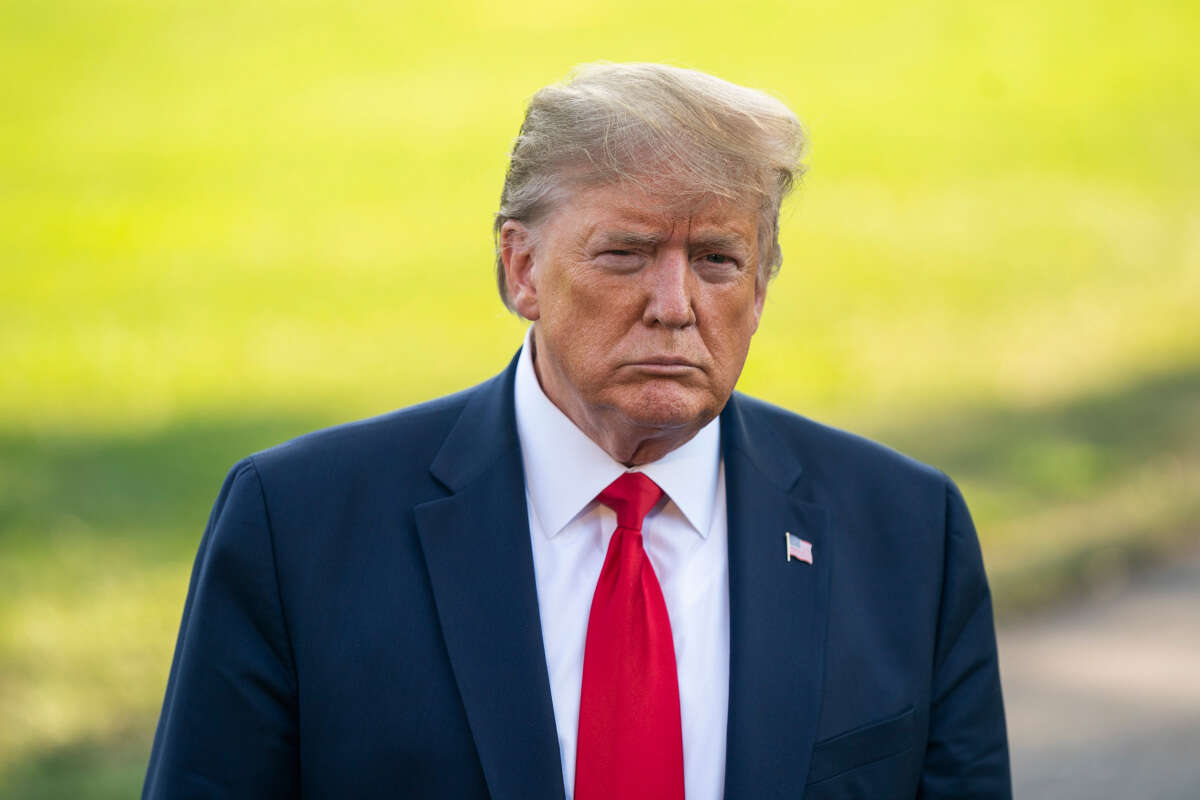
US President Donald J. Trump speaks to the media before embarking on a West Coast swing from the South Lawn of the White House in Washington, DC USA, 16 September 2019 (EPA/JIM LO SCALZO)
Dana Stroul, a former Pentagon official, noted according to The New York Times, "At this point in the war, what is clear is that the conventional military campaign waged to date, and the current punishing economic sanctions and American naval blockade, have not brought the regime back to the negotiating table in a meaningful way," She subsequently added that neither leader "has made a compelling case for how more war would change this strategic dilemma in an increasingly unstable and conflict-ridden region,"
A potential Netanyahu defeat in the upcoming Oct. 27 elections could disrupt these operations. However, analysts suggest he might use an imminent attack to form a unity coalition, similar to his Oct. 7, 2023 wartime government. Trump will likely wait until after the US vote, while American forces finalize their deployment by November for nocturnal assaults. Amid Houthi terrorist attacks, the State Department evacuated nonessential personnel from Saudi Arabia Wednesday.
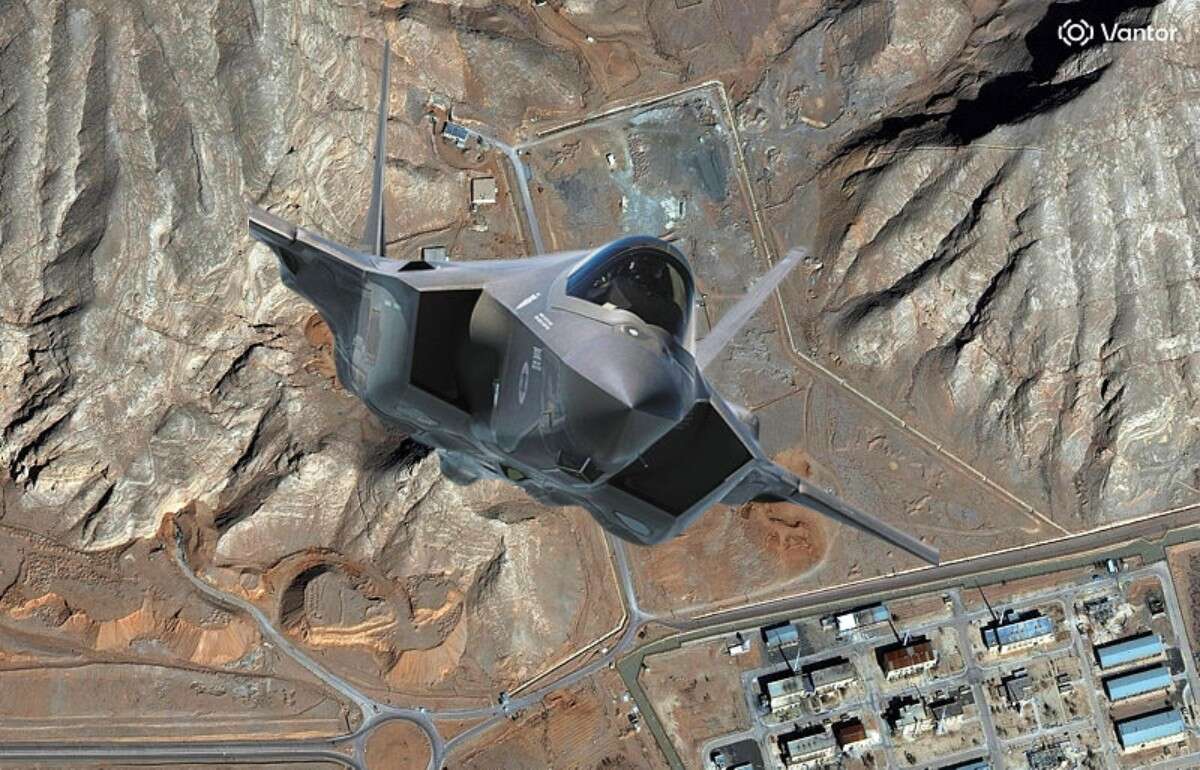
Refusing to discuss plans "that may or may not exist," a White House official maintained all options remain open. Seeking to avoid soaring gas prices, Trump reportedly excluded oil refineries from target lists, focusing instead on nuclear facilities like Pickaxe Mountain..
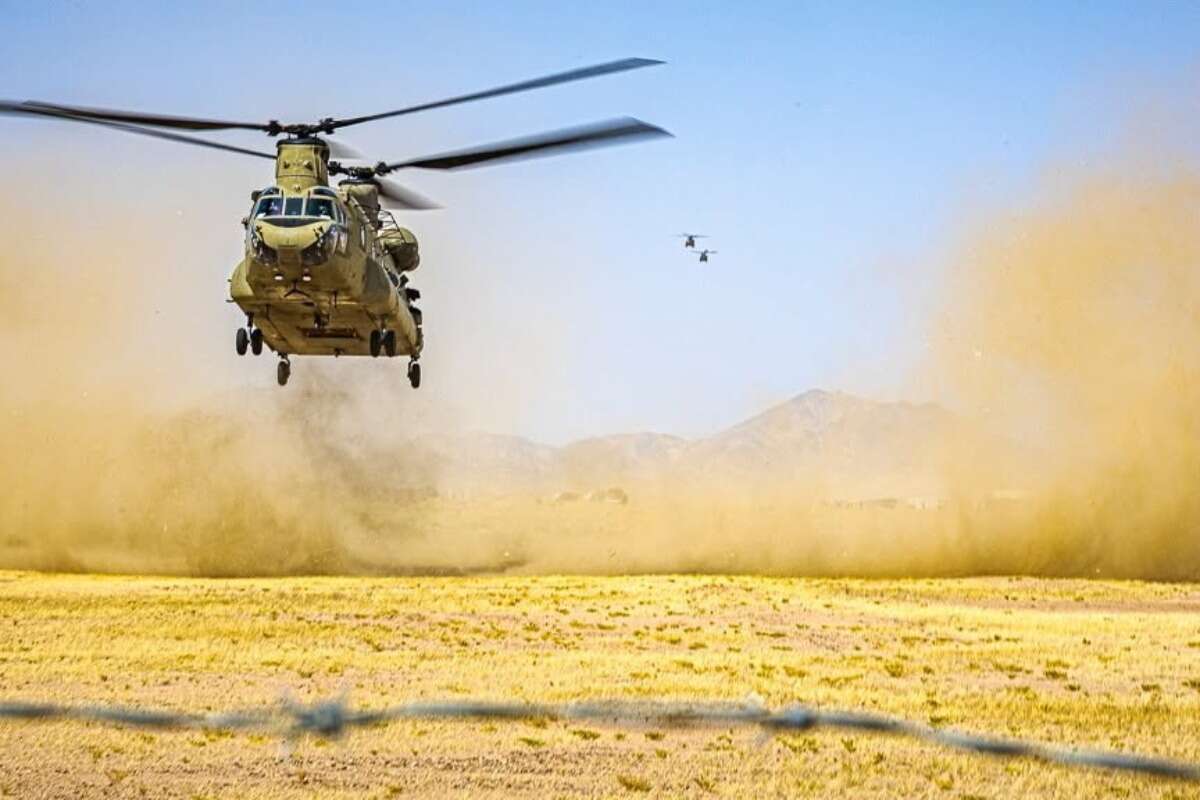
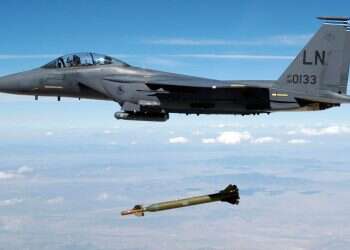
He expressed interest in dropping the 22,000-pound GBU-43/B "Mother of all Bombs" there, but experts warn it cannot penetrate granite and endangers the slow delivery aircraft.
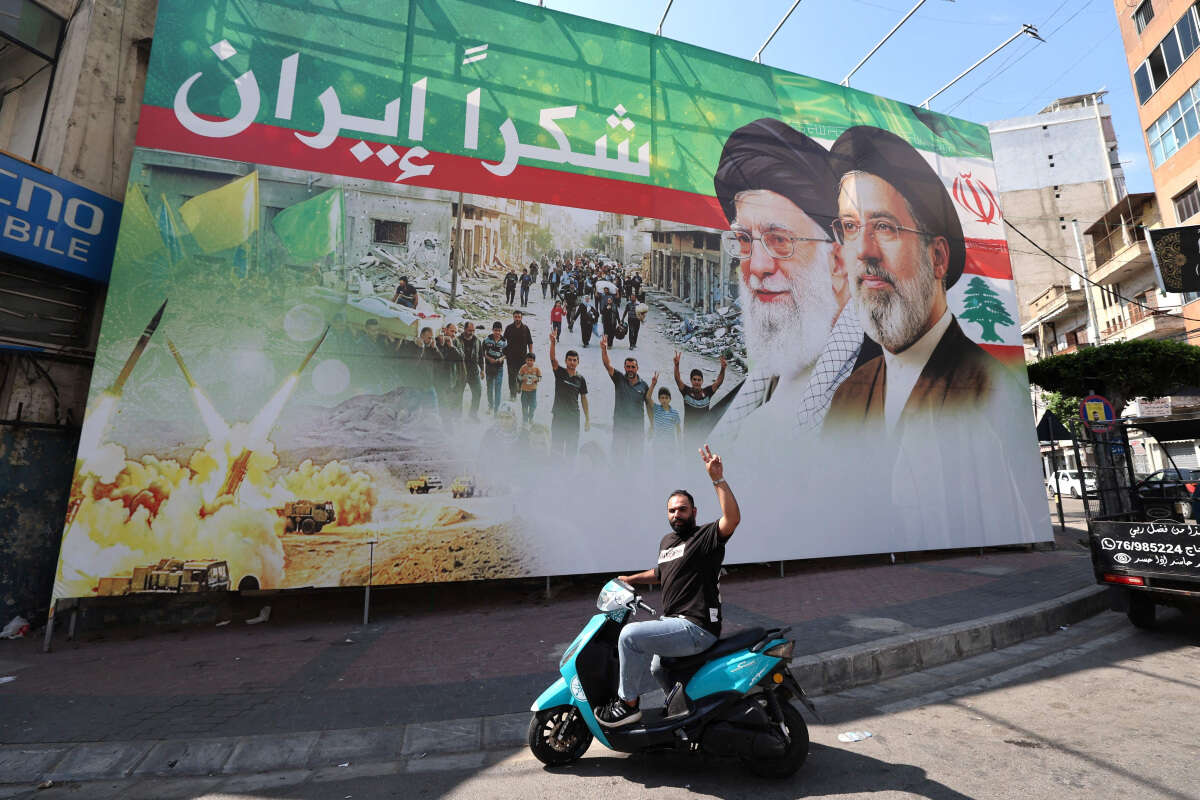
Fearing a US overthrow attempt, weaker new Supreme Leader Ayatollah Mojtaba Khamenei likely defers to extremist commanders. Furthermore, Iranian analyst Peiman Salehi warned an attack on Pickaxe would trigger strikes on Saudi oil infrastructure.
Salehi declared, "The war has made us understand that the best leverage for pressuring Trump is increasing oil and energy prices because it will hurt the American people," Calling a brief campaign a "fantasy", Iranian adviser Mahdi Mohammadi insisted Tehran controls the timeline.
Mohammadi posted, "Our attacks will be more fierce, creative and different," as reported by The New York Times. He concluded, "We are determined and confident, and strong planning has been put in place."