"Our goal is to preempt any threat and ensure that democratic elections can take place without any external interference," IDF Chief of Staff Lt. Gen. Eyal Zamir said in remarks released by the military.
The IDF Spokesperson's Unit deliberately circulated the statement to the media, and for good reason. The consistent message coming from the military's top brass in recent days is that the elections must take place as scheduled. This time, it came directly from the chief of staff, who is determined to ensure that no one derails Israel's democratic elections.
Against the backdrop of political chaos, with Israel approaching one of the most consequential elections in its history, Zamir is among the few figures, if not the only one, whom the public can look to as a professional security authority free of personal or political interests. He is in a position to determine whether a particular military operation is genuinely necessary for security reasons or is being driven by political considerations. In recent months, Zamir has demonstrated time and again that Israel's security, and Israel's security alone, guides his decisions. When he has had criticism to voice, he has made sure it was heard.

Still, it is important to remember that the chief of staff is subordinate to the political leadership, and if given an order, he will be required to carry it out. Nevertheless, there is reason to trust that his professional assessment will be heard by those who need to hear it, and it is likely that we, the public, will also learn where he stands.
That said, one point must be emphasized: According to senior military officials, Israel may well need to resume fighting Iran in the not-too-distant future, given Tehran's efforts to rebuild its military capabilities and perhaps also in an effort to further destabilize the ayatollahs' regime. For now, however, there is no pressing security need or concrete intelligence requiring such action in the coming week, immediately before Israel's elections, particularly when it would be highly likely to disrupt the vote.
Risking the opposite result
It is precisely against this backdrop that the frequent statements coming from Israel's political leadership, particularly those of Prime Minister Benjamin Netanyahu, who has posed in front of F-16 fighter jets while warning of an approaching war, could have the opposite effect from the one intended.
Combined with reports of US Defense Secretary Pete Hegseth's secret visit to Israel and the frequent exchanges of messages between Jerusalem and Washington, these statements could stoke Iranian fears of a surprise joint US-Israeli attack.
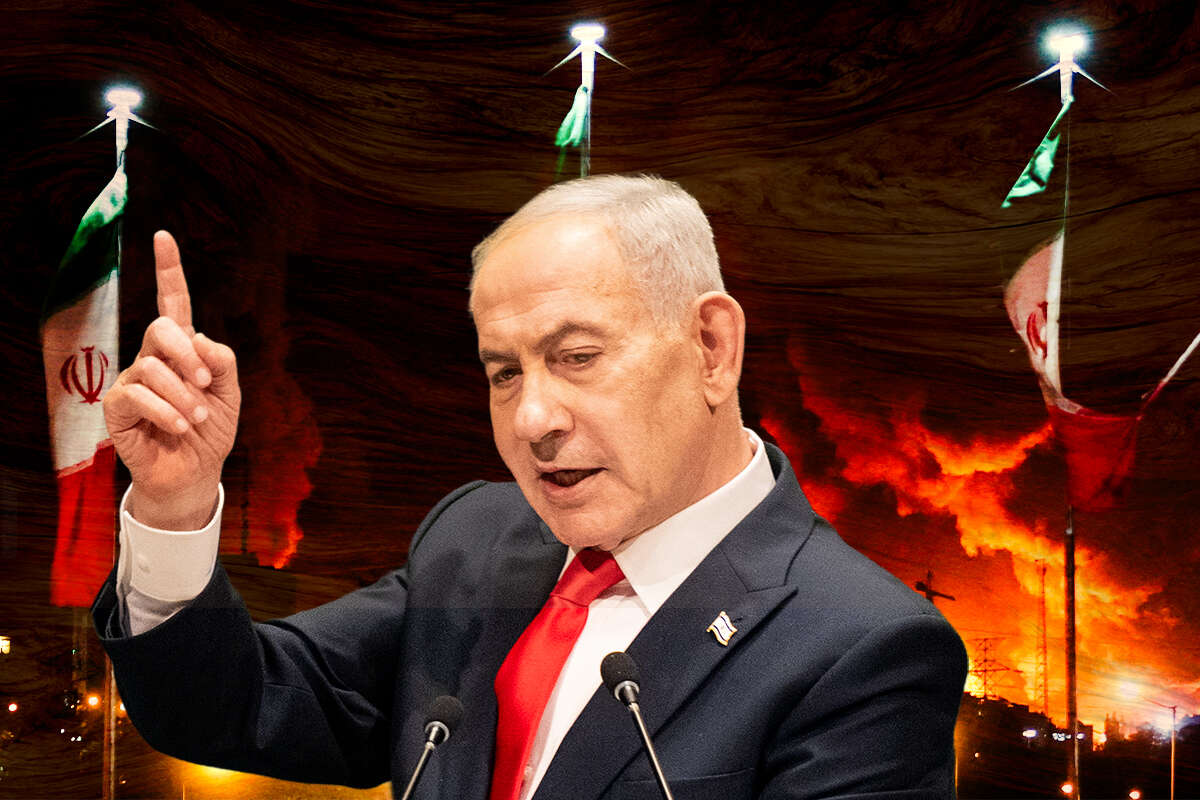
Those fears could lead the Iranians to make a dangerous miscalculation and conclude that they would be better off striking first. Another possibility is that Iran could choose to act now in an attempt to disrupt Israel's elections or, at the very least, influence their outcome.
"There's a lot of noise and tension in the air, but right now it's mostly hot air. There's nothing concrete," a senior official acknowledged. "There's always something behind it. The Iranian threat hasn't gone away, and we may need to return to fighting. But is there anything urgent that has to happen before the elections? Absolutely not. The number one mission is to maintain stability here."
Ultimately, senior officials assess that the likelihood of a military escalation with Iran before the elections in Israel and the US is relatively low, although it cannot be ruled out.
Hegseth's visit to Israel, together with statements coming out of Washington and Jerusalem, indicates that the IDF and the US military are preparing for the possibility of renewed fighting. If anyone still had doubts, it now appears that in such a scenario, Israel and the US would once again act shoulder to shoulder, rather than Israel going it alone.
The reality is that unless the Iranians initiate the next round of fighting, the final decision will rest with the man who has made the region's most consequential decisions over the past two years: US President Donald Trump.
As is well known, however, Trump has been inconsistent. At times, he speaks in favor of negotiations with Iran; at others, he drops hints that fighting could soon resume.
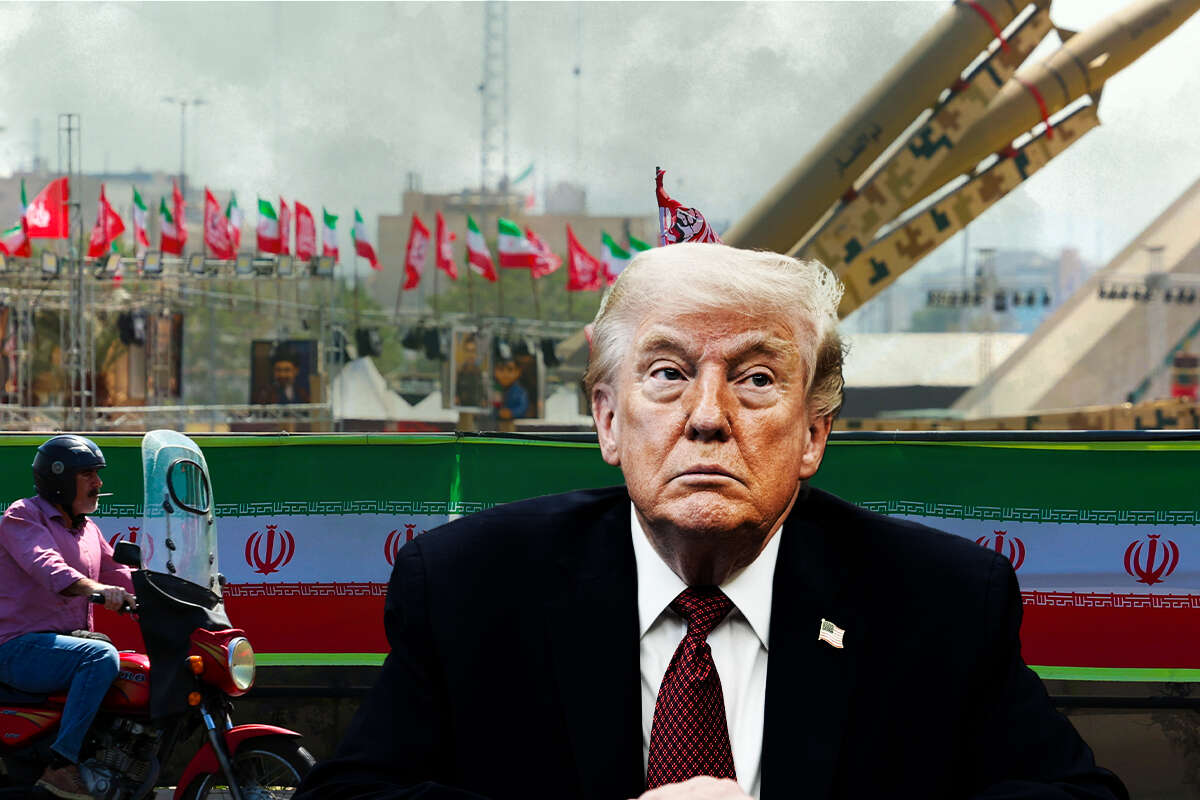
His latest message concerning Israel came in the form of an unequivocal endorsement of Netanyahu's candidacy for prime minister in the upcoming elections. In that endorsement, Trump suggested that if Netanyahu were not re-elected, he would not necessarily order the US military to take action against Iran again.
But the possibility of renewed fighting with Iran is not Zamir's only headache. In recent days, attention has also turned to Judea and Samaria, where extremist Israelis, who can no longer be dismissed as a small minority, have repeatedly committed acts of nationalist violence against the Palestinian population. Some would call these acts terrorism.
Passing the buck
So far, none of Israel's security agencies, the IDF, the police or the Shin Bet security agency, has managed to stop the phenomenon. Perhaps they do not genuinely want to. Instead of taking decisive, coordinated action, each agency continues to shift responsibility onto the others, while the mutual recriminations persist.
Here, too, Zamir is emerging as the responsible adult in the room. He convened a meeting with representatives of the Shin Bet and the police to examine how the agencies could join forces and take coordinated action against Jewish rioters, rather than continue evading responsibility and trading accusations.
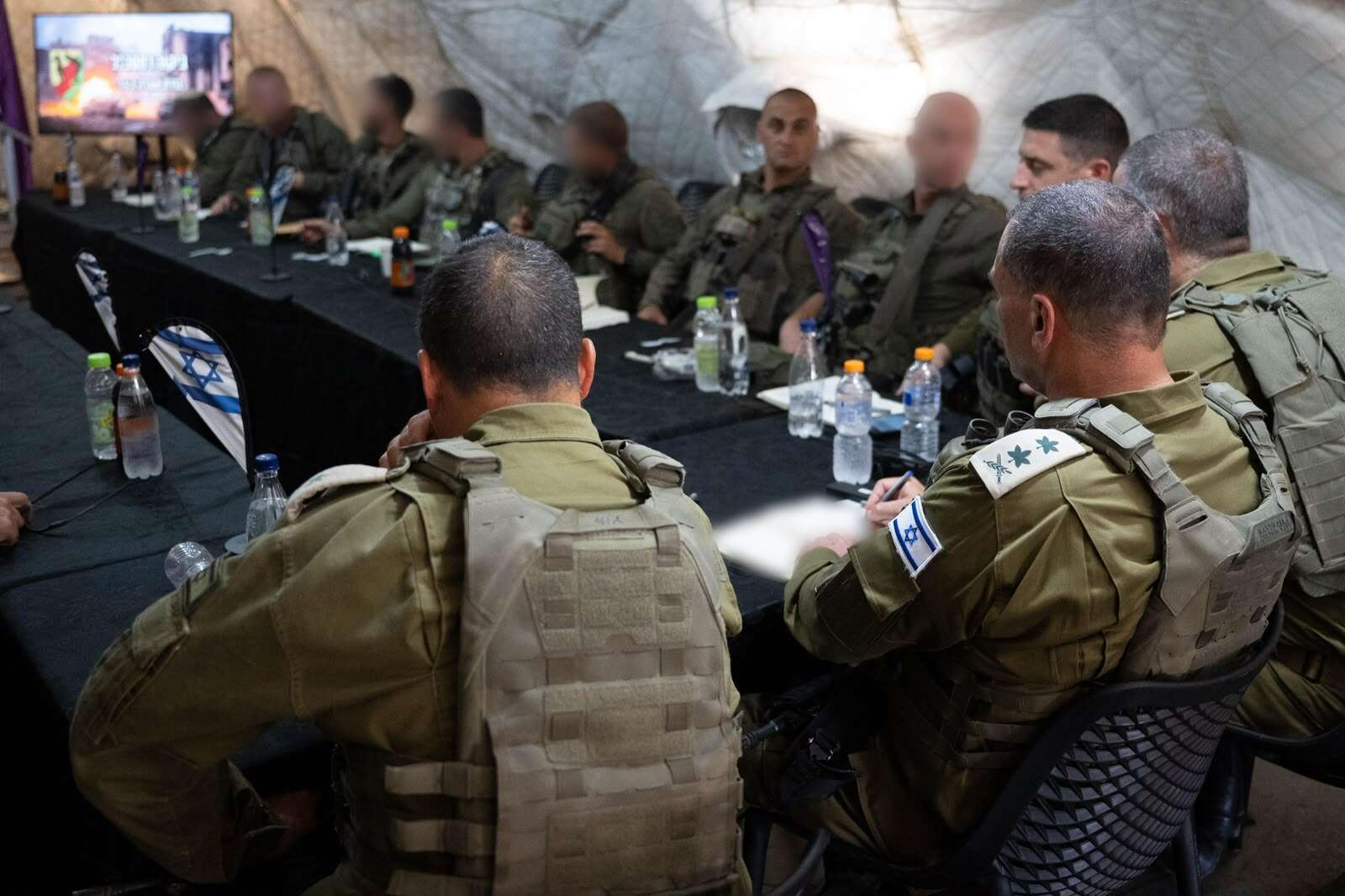
It is doubtful that the six days remaining until the elections will bring any significant change on the ground. Nevertheless, Zamir is demonstrating that he is making an effort to ensure Israel's democratic process is not affected by a localized security escalation, whether in the days leading up to the vote or on Election Day itself.
That effort also includes his decision to raise the alert level across all sectors, suspend leave throughout the IDF beginning Thursday, and reinforce Judea and Samaria with the Paratroopers Brigade headquarters to prepare for any sudden outbreak of violence.
The bottom line is that Zamir and the IDF's senior command face a heavy responsibility in the coming days: maintaining security and stability while ensuring that the elections take place on schedule, without disruption or outside interference. Assuming Israel's enemies do not spring any surprises, the many security challenges facing the country can wait at least another six days.