
Prime Minister Benjamin Netanyahu is pushing to resume large-scale strikes against Iran and earlier this month instructed Israel's defense establishment to prepare for a major offensive, according to a report published Wednesday by the Financial Times. The Israel Defense Forces had been preparing a multi-day bombing campaign for the weekend of October 10, with targets including nuclear facilities, sites associated with the Iranian regime and civilian infrastructure, including power plants.
The operation ultimately did not go ahead. People familiar with the plans told the newspaper that the main reason for the postponement was US President Donald Trump's opposition to resuming hostilities before the November 3 US midterm elections. Despite the delay, both leaders, who face consequential elections in their respective countries, continue to threaten renewed strikes aimed at "finishing the job" against the regime in Tehran.
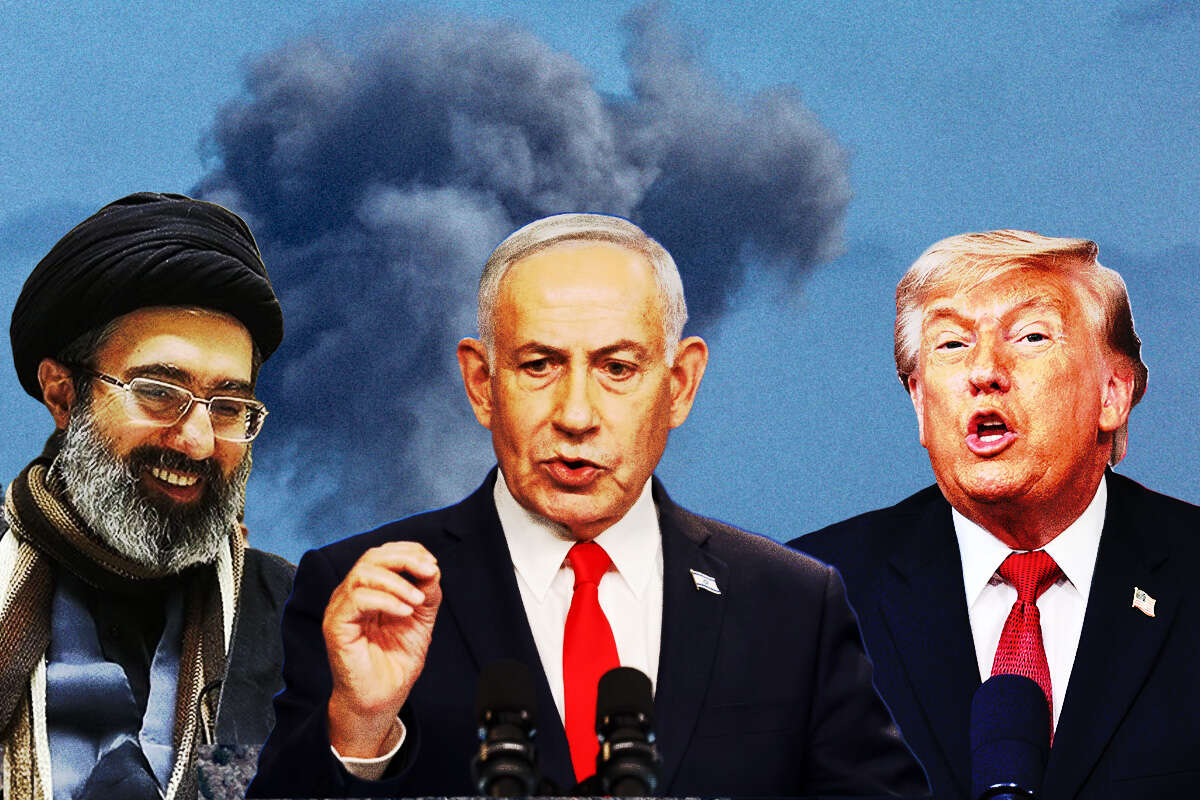
Hegseth's visit and Trump's video message
US War Secretary Pete Hegseth visited Israel this week, holding talks with Netanyahu and other senior officials. Sources said Israeli officials presented an updated list of targets based on fresh intelligence, including civilian infrastructure that had not been struck earlier this year.
White House spokeswoman Anna Kelly, responding to the report, emphasized that Iran was in dire economic and military straits and made clear that the US would not launch strikes against Iran before the midterm elections.
Meanwhile, Trump and Netanyahu have stepped up their military rhetoric in recent days. Netanyahu released a video filmed at an Israeli Air Force base in which Trump could be heard telling him over a loudspeaker that he was "the man he wants by his side."
Trump also warned on his social media platform that if a different leader were elected in Israel, the United States would not be willing to confront the Islamic Republic on its own.
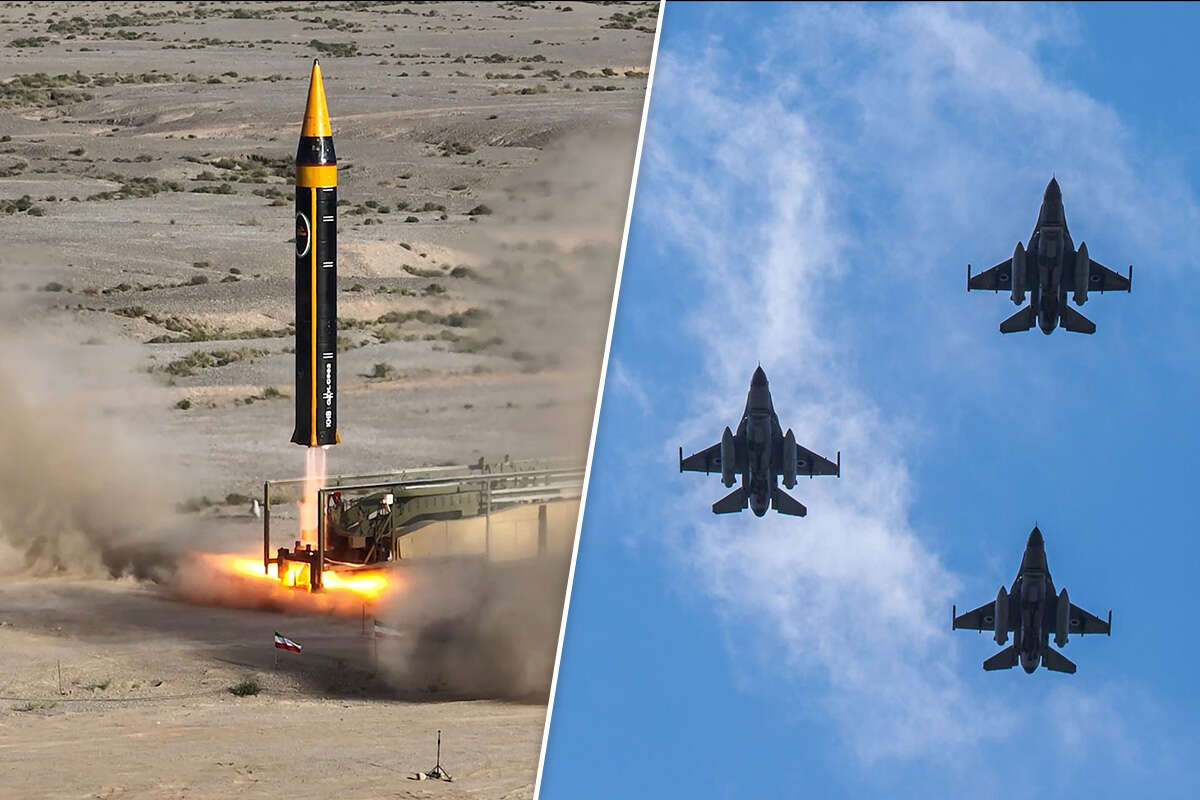
IDF on high alert as security officials voice concerns
The IDF has been on heightened alert in recent weeks, taking the unusual step of canceling leave for all soldiers until Israel's October 27 Knesset election. IDF Chief of Staff Lt. Gen. Eyal Zamir justified the decision as necessary to ensure that democratic elections could take place safely.
The measures come as Israel's election campaign has become a referendum on Netanyahu's leadership in the aftermath of the October 7, 2023, Hamas terrorist attack and the wars that followed.
Current and former Israeli security officials expressed serious concerns to the Financial Times about the consequences of going to war so close to election day.
There are also fears that Netanyahu could initiate a major military operation even if he loses the election, while remaining in office as head of a caretaker government pending the formation of a new coalition.
Such a move would be unprecedented in Israeli history, and it remains unclear how the heads of Israel's security agencies would respond if asked to resume large-scale military operations under such politically sensitive circumstances.