Perhaps it is best if start with a reassuring premise: All signs indicate the war is not expected to resume anytime soon, at least not until after the US midterm elections in early November.
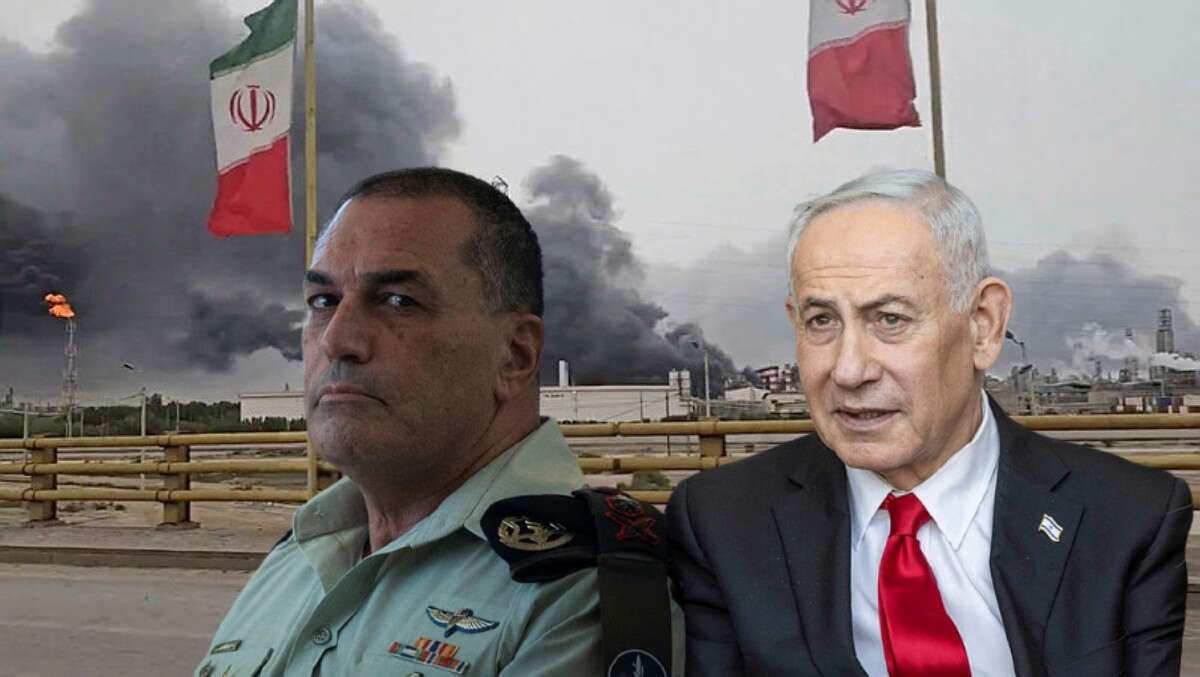
Nevertheless, one cannot help but wonder who has an interest in warmongering and why, or at the very least, in projecting the illusion that Israel stands on the precipice of war. The answers to these two questions are inherently intertwined. The primary, and essentially the sole, interested party is Prime Minister Benjamin Netanyahu. If the decision rested entirely in his hands, Israel would have launched the third Iran war a long time ago.
Two distinct factors explain why this has not yet unfolded. The first is US President Donald Trump. While he certainly voiced his support for Netanyahu this week and praised his handling of the Iranian issue, he has consistently applied the brakes on any attempts to reignite the war since the last campaign ended in mid-April.
The second factor is IDF Chief of Staff Lt. Gen. Eyal Zamir and the top brass of the IDF, who remain steadfast in their commitment to ensuring Israel's democratic processes – specifically the upcoming elections – can proceed unimpeded.
Zamir echoed this sentiment on Tuesday while visiting a command exercise in the Gaza Division. On the surface, his remarks seemed directed outward at Israel's enemies, as he emphasized the military is fully prepared for any surprise attack. Yet his underlying message was also meant to resonate domestically, serving as a warning against dragging the armed forces into unnecessary escapades on the eve of an election. He made this point clear, stating something along the lines of, "We are guarding the home so the elections can take place at home."
However, the chief of staff appears less assertive when dealing with the political exploitation of the military. On Monday, Netanyahu released a campaign video shot at the Ramat David airbase – prominently featuring a fighter jet in the background. On Tuesday, he followed up with another video filmed in front of a helicopter, conspicuously accompanied by a security guard from the Shin Bet. The military and its troops, much like the Shin Bet and its personnel, are strictly meant to remain outside the electoral fray. The daily weaponization of their image serves that same underlying goal, designed to manufacture a sense of emergency that implies the war is about to resume.
As noted, the probability of such an escalation occurring in the coming week – or even the week after – remains quite low. This reality was also evident during Netanyahu's meeting on Monday with US Secretary of Defense Pete Hegseth, who was in the region for a brief visit with CENTCOM forces. According to informed diplomatic officials, the only caveat to this assessment is the unlikely scenario where Iran launches a pre-emptive strike, or if Israel receives unequivocal intelligence confirming Tehran's intention to do so.
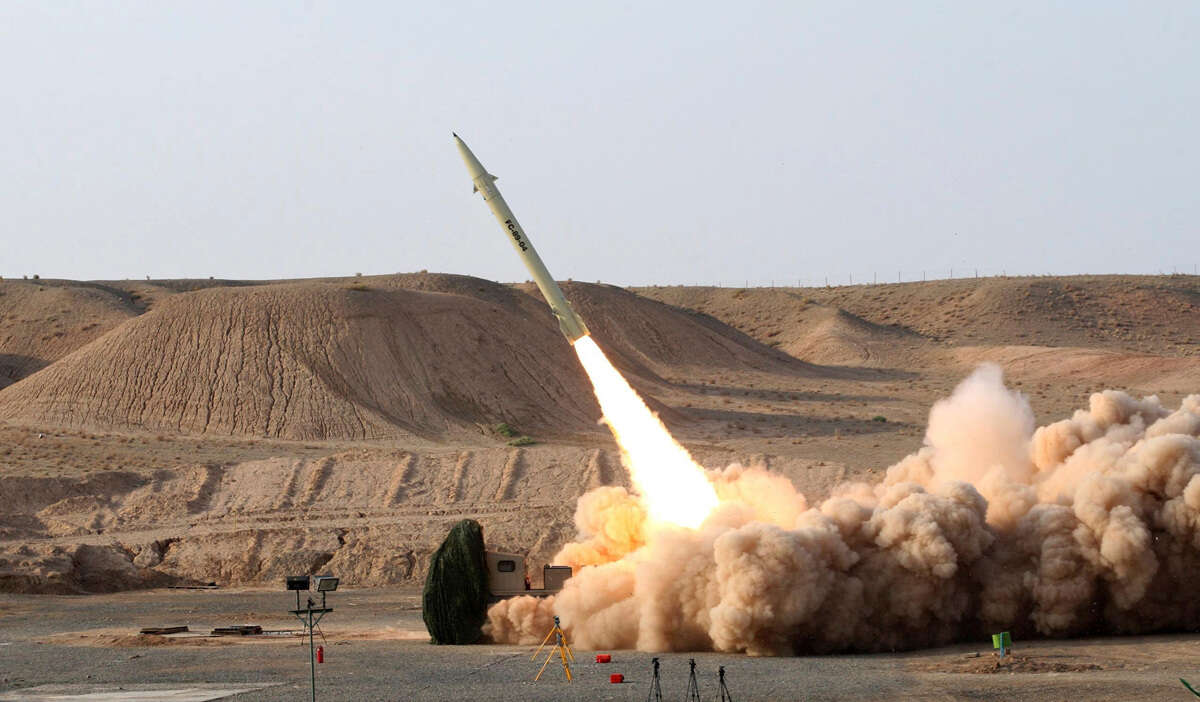
Other troubling developments, such as the covert resumption of Iran's nuclear program and its rapid accumulation of missiles and drones, are undoubtedly alarming but fail to justify a proactive Israeli strike in the immediate future. Issues that have lingered for many long months can afford to wait a few more weeks until the election results are tallied and the Israeli political landscape stabilizes. Here, too, the military and its commander hold a vital responsibility. They must make it clear, whenever necessary, the critical distinction between what is important and what is urgent, and between a dangerous situation and a genuine existential threat.
While Zamir is obligated by law and his job description to execute the government's directives, this duty does not mandate blind obedience. His ultimate loyalty lies with the public, not the politicians. Should he sense the military is being manipulated for political gain to justify restarting the war, he is bound to raise a red flag – and, if necessary, a black one. Put simply, he must be the one to determine whether an extraordinary military maneuver in the coming week is a true operational necessity to neutralize an immediate existential threat, or a delayable action driven by ulterior motives.
Despite the catastrophic failures of October 7, Netanyahu is anchoring his campaign squarely on national security, leaning into what has traditionally been his strongest asset. The security strategy he unveiled earlier this week – drafted without formal staff work and lacking approval from any official forum – was designed to cement his personal vision for Israel's defense. Along the way, he characteristically steamrolled the security establishment, claiming its leaders had opposed the majority of his decisions. Yet he ought to be confronted with reality, and more importantly, with his own missteps. These include his push for the second Iranian campaign, which failed to secure any of its objectives, and his unfulfilled promise of absolute victory over Hamas, a terrorist group that still maintains its grip on Gaza.
Ultimately, this relentless focus on security serves as a convenient distraction from a host of other burning domestic crises. These include the military draft evasion by the Haredim, the appalling deterioration of the education system, surging street violence, a crippling cost of living that is currently fueling mass protests in Europe, and even the Qatargate affair orchestrated by the prime minister's closest advisors. In all of these arenas, the government has recorded failures, which is why it wants the headlines to focus on war.