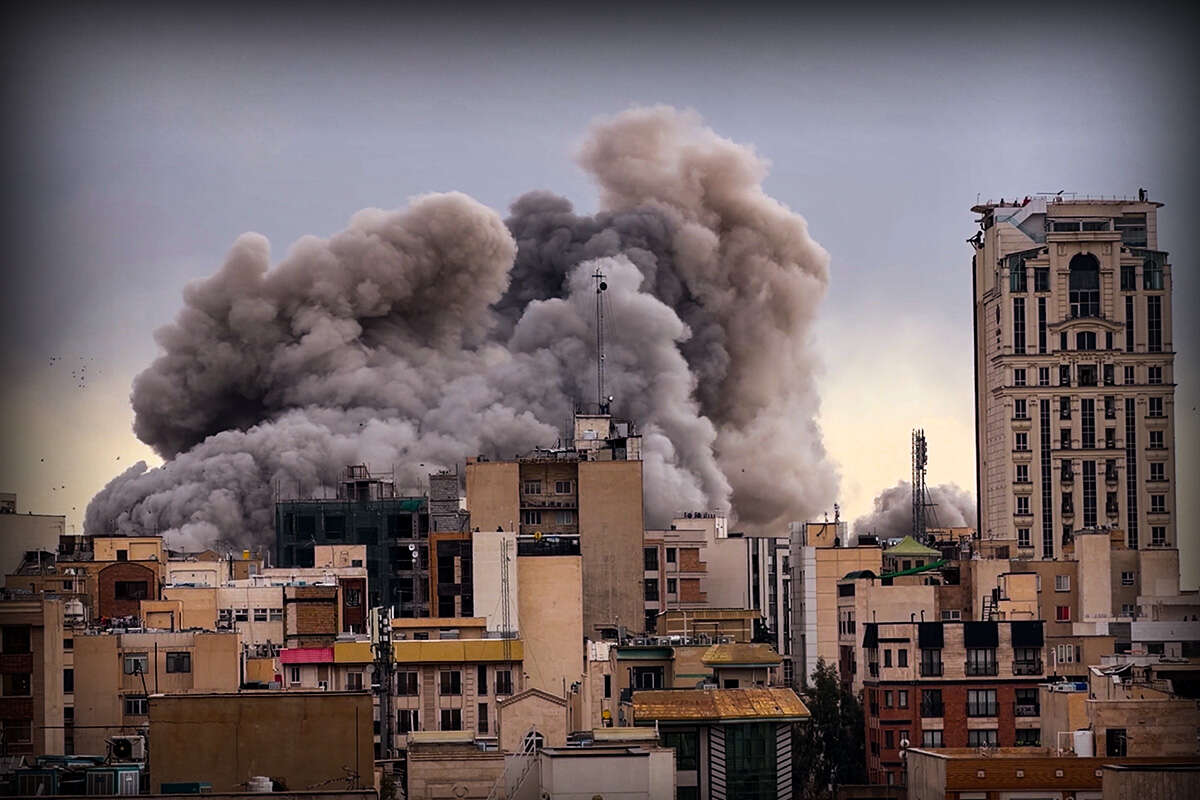
The prospect of another war with Iran is no longer merely theoretical. Reports in recent days, even after discounting the political noise surrounding the elections in Israel and the US, leave little doubt that the question is not whether another round of fighting will erupt, but when.
Since the end of Operation Roaring Lion in April 2026, despite countless attempts at negotiations between Washington and Tehran, Iran has shown no willingness to soften its position. That remains the case despite 40 days of war and a considerable number of American strikes carried out both during and between rounds of negotiations.
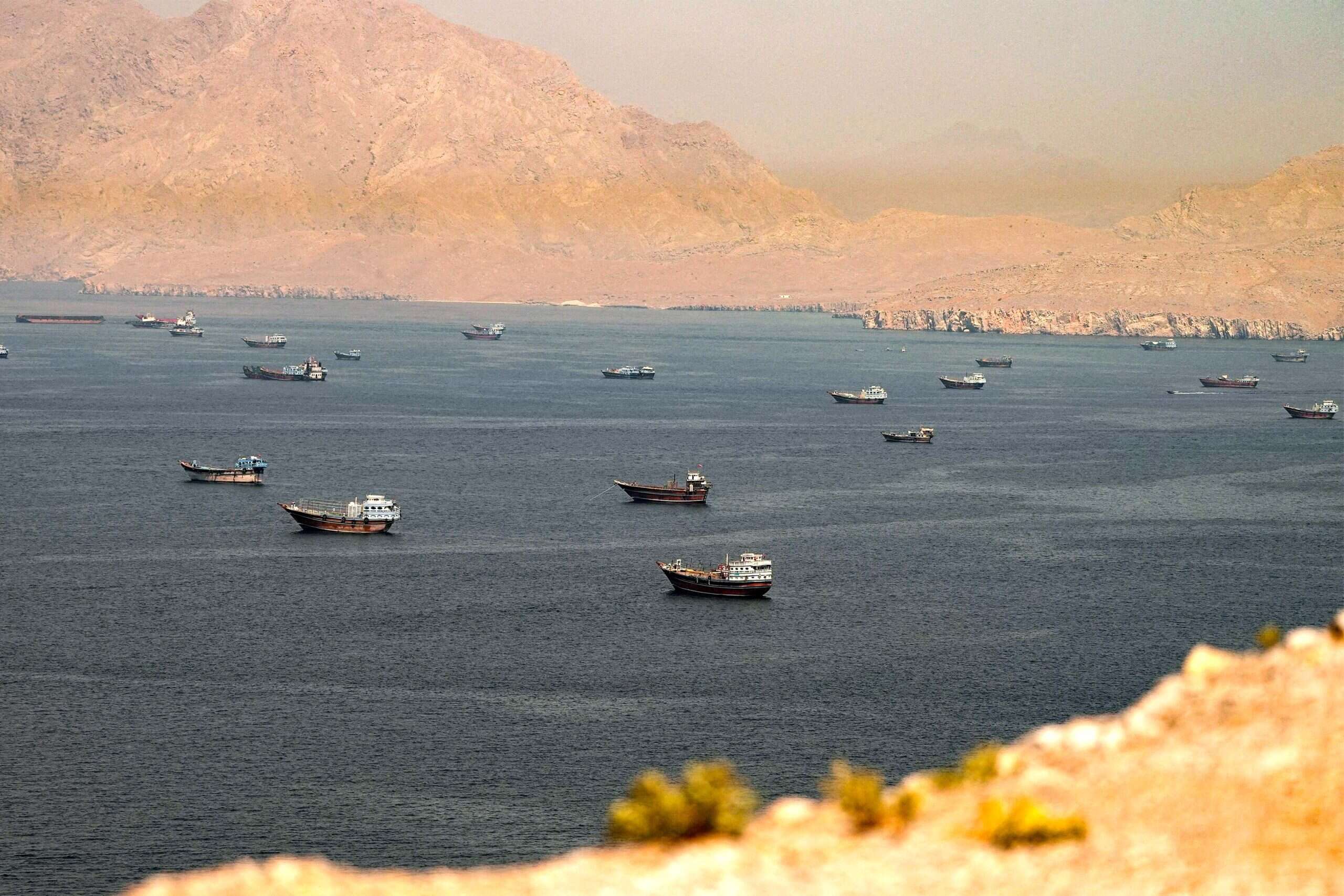
The US has shifted from military force to economic pressure, which appears to be having an impact but has yet to persuade Iran to change course. Reopening the Strait of Hormuz may be the formal subject of negotiations, although Washington has, in practice, managed to maintain a substantial flow of tankers and oil shipments through the waterway.
The more pressing concern, however, is Iran's efforts, some of them successful, to rebuild and restore the military capabilities damaged during Operation Roaring Lion.
Signs of this were already evident in Iran's responses to American strikes during the negotiations. Tehran launched dozens of ballistic missiles toward Jordan alone, including barrages of 10 or more missiles at a time.
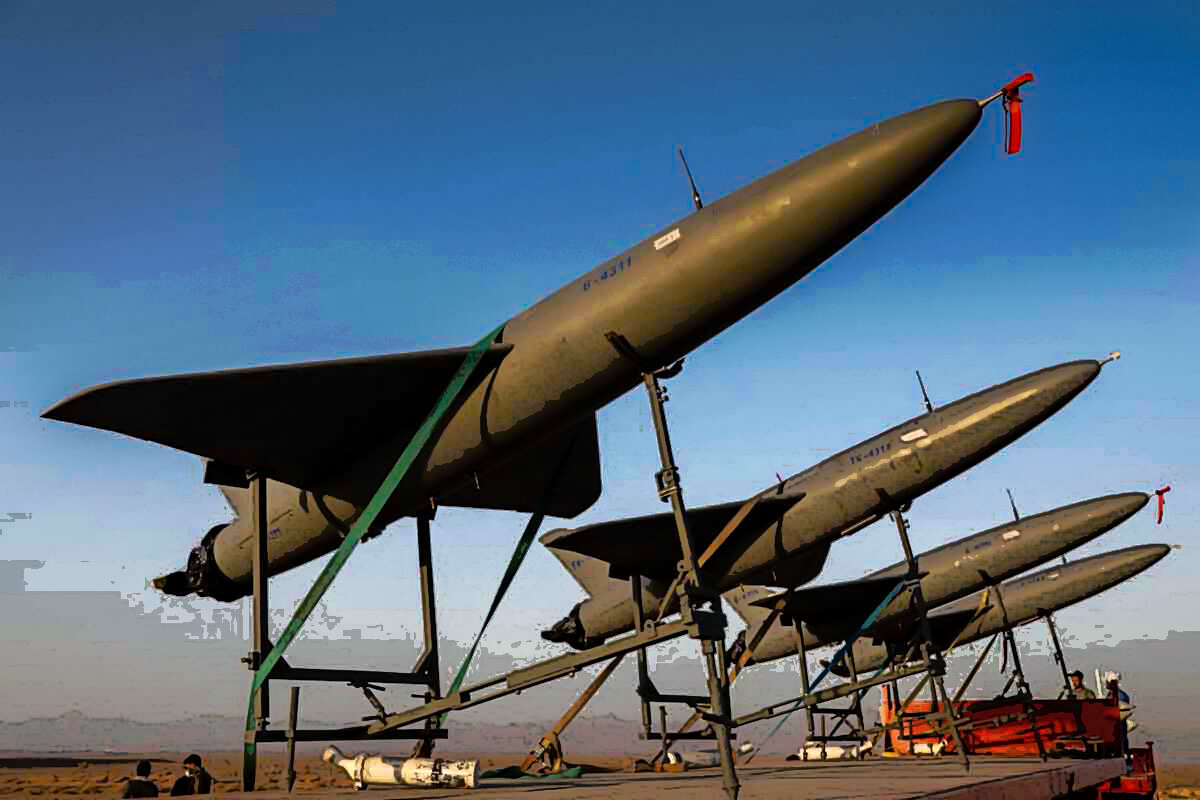
Reports that Iran is restoring its ballistic missile production capabilities, rebuilding its drone manufacturing infrastructure and carrying out construction work at some of its nuclear facilities leave little room for doubt: Iran's military capabilities are far from destroyed.
What appeared just a few months ago to be a devastating blow and a clear victory now looks rather different, and far more troubling. Once again, we have underestimated the enemy's capabilities.
The greatest failure, however, lies in the very idea of treating confrontations with Iran as recurring "rounds" of fighting. That terminology, borrowed from Israel's approach to managing its conflict with Hamas in the Gaza Strip, is neither appropriate nor sustainable when dealing with Iran.
Israel's national security doctrine, and more importantly, the security and civilian realities on the ground, cannot accommodate another war with Iran every year or even every two years. Before the next confrontation begins and its objectives are defined, Israel must fundamentally rethink how to prevent this cycle of repeated conflicts from becoming the norm.
What has each side learned from previous confrontations?
Experience has taught us that no two wars or rounds of fighting are alike. We saw this throughout Israel's repeated confrontations with Hamas, and we have seen it in the four rounds of direct conflict with Iran since April 14, 2024, culminating in Operation Roaring Lion earlier this year.
Since April, all sides have used the intervening months to draw lessons, improve their capabilities and prepare for the next confrontation. None is sitting idle, waiting for the next war.
What have Israel and the US learned?
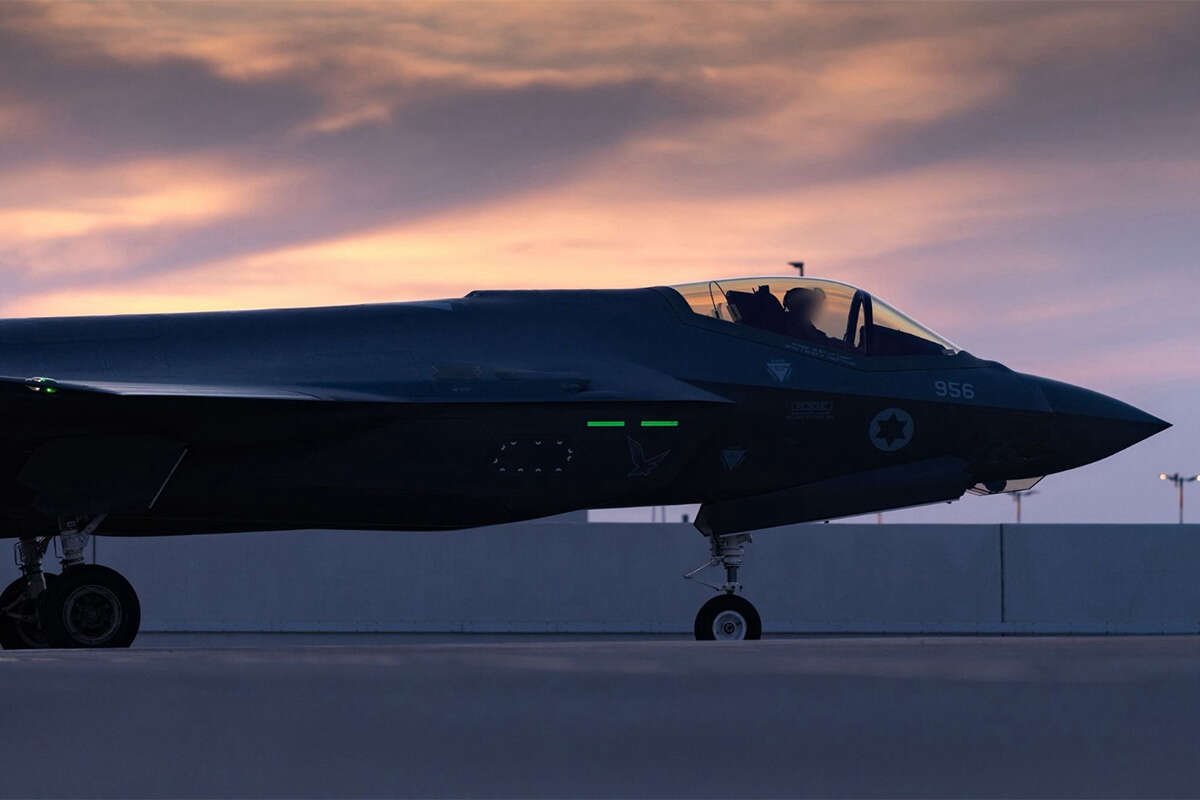
- Striking military infrastructure does not necessarily eliminate Iran's ability to retaliate.
- Iran's capacity to rebuild and recover is far greater, and its recovery far faster, than even the most pessimistic assessments anticipated.
- The ability to sustain a prolonged military campaign depends on maintaining adequate stockpiles of munitions and interceptor missiles.
- Expanding a war across multiple fronts has a profound impact on the conduct of the campaign. Competing interests and the need to divide resources can undermine the overall military effort.
- War objectives and priorities must be achievable and closely aligned with operational plans and military strikes.
- Significant military achievements do not guarantee a lasting solution to the Iranian nuclear threat or the challenge of deterring Tehran.

What has Iran learned?
- The importance of activating the regional proxy network it spent decades building, but which was largely absent from the latest rounds of fighting.
- The value of preserving the ability to launch ballistic missiles and drones by deploying them through small, dispersed units, supported by decentralized command arrangements.
- Direct threats against neighboring Gulf states yield greater results than other forms of pressure and can have a lasting deterrent effect, particularly after American forces eventually leave the region.
- A prolonged campaign that maintains continuous fire is preferable to a short, concentrated confrontation.
What will the next confrontation look like?
Based on the previous confrontations with Iran, including two extended military campaigns, it is possible to outline several scenarios for the next war.
In every scenario, Israel is likely to be involved. The Gulf states and American military installations on their territory should also be regarded as priority targets for Iranian attacks.
Unlike previous rounds, Iran's regional proxies can be expected to play an active role in the next confrontation as part of Tehran's broader war effort. The Houthis are more likely to participate, while Hezbollah's involvement appears less likely, although the Lebanese terrorist organization has far more to lose than to gain from joining the fighting.
The more Iran is pushed into a corner and the more capabilities it loses, particularly nuclear assets such as the Pickaxe Mountain complex, critical national infrastructure or anything threatening the regime's stability, the more extreme and widespread its responses are likely to become.
When preparing for Iranian retaliation against US and Israeli strikes, several possibilities must be taken into account.
An eye-for-an-eye response: If Iran's critical national infrastructure becomes a priority target, Israel and the US must assume Tehran will respond by targeting comparable infrastructure.
Missile fire at least as intense as during Operation Roaring Lion: It is worth recalling that the final 10 days of that campaign saw approximately 10 missiles launched per day. In my assessment, the next confrontation could involve 10 to 20 missiles daily, spread throughout the day and across different parts of Israel. The objective would be to maintain continuous fire, forcing civilians to spend prolonged periods in bomb shelters and protected spaces, disrupting daily life and undermining the resilience of Israel's civilian home front.
Coordinated attacks across multiple fronts: Iran may attempt to synchronize attacks from several fronts to stretch Israel's air defense systems and place additional pressure on the civilian population.
The next war, which increasingly appears unavoidable, raises serious questions about the declarations of victory and military achievements of the past two years of sustained fighting against Iran. It demands a fundamentally different approach to defining war objectives, selecting targets, managing the campaign and determining its duration.
Above all, Israel must approach the next confrontation with one overriding objective: ensuring that it does not simply become another round in an endless cycle of war.