US War Secretary Pete Hegseth made a secret visit to Israel on Monday and met with Prime Minister Benjamin Netanyahu at Ovda Air Base in southern Israel, a week before the Israeli elections. The visit comes amid rising tensions with Iran, but based on the current situation, it is difficult to identify any developments in Iran, whether in its conventional military capabilities or its nuclear program, that would warrant an immediate Israeli strike, particularly on the eve of an election. The Iranian threat is real, but that does not necessarily mean there is an urgent operational need to launch another military campaign right now.
Under the current circumstances, every belligerent statement, public threat or military exercise intended to send a message to the other side amounts to playing with fire. The Iranians are on high alert and preparing for the possibility of another conflict, making the risk of either side misreading the other's intentions particularly acute. The danger of miscalculation is soaring. This is precisely the kind of situation that calls for strategic responsibility, with an emphasis on easing tensions rather than inflaming them through repeated threats.
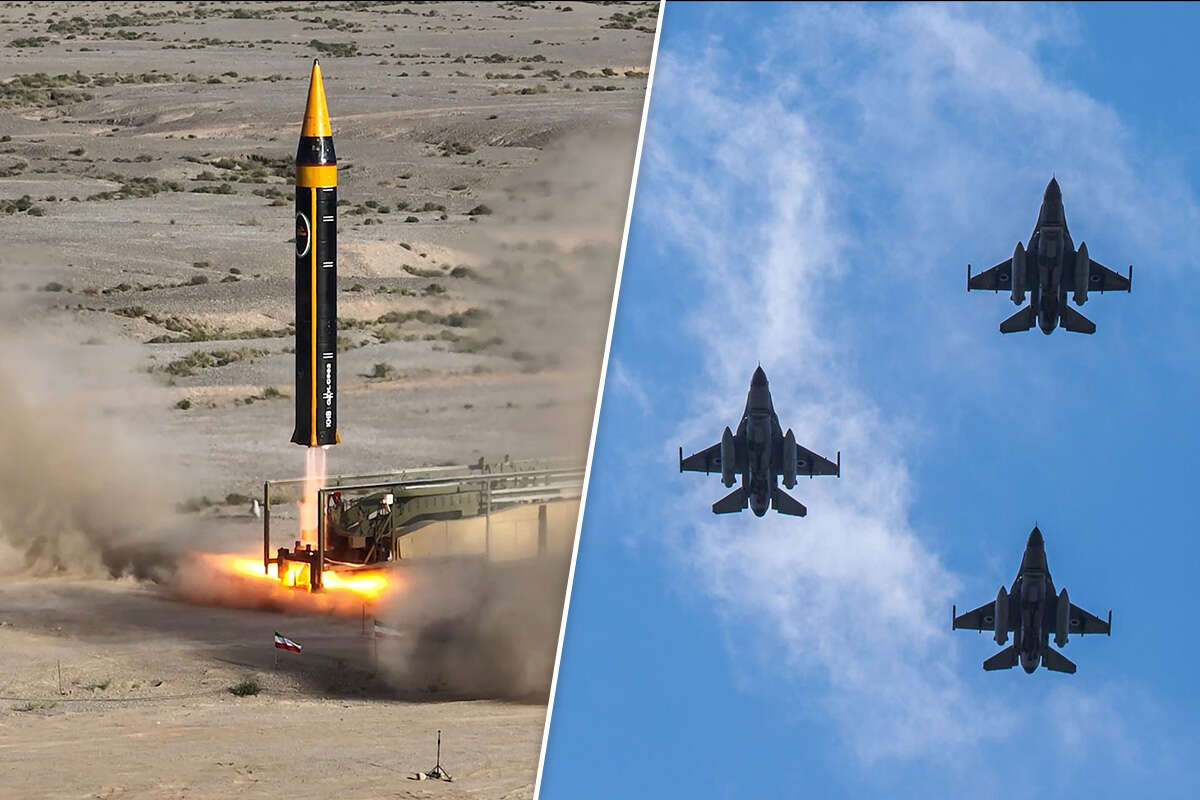
When both sides threaten each other, it is possible that each hopes the other will make the first move, providing justification for its own military action. That is exactly the kind of dynamic that could trigger a war neither side necessarily intended to start at this particular moment.
At the same time, recent days have seen what appears to be a renewed diplomatic effort to prevent another military confrontation between the US and Iran. Senior regional figures have been arriving in Tehran, including Pakistan's army chief, Field Marshal Asim Munir, who landed there on Tuesday. Iranian Foreign Minister Abbas Araghchi announced that Tehran's leadership was reviewing the US response to the "seven-day plan" proposed by Iran.
These are just some of the signs of an intensive diplomatic push unfolding against a backdrop of increasingly aggressive Iranian actions in the Strait of Hormuz and tough rhetoric from Washington. Perhaps most importantly, there is a growing recognition that without a diplomatic agreement, another round of military escalation may be only a matter of time.
Still, it would be a serious mistake to interpret these developments as evidence that a breakthrough is imminent. Significant differences remain between Washington and Tehran. Iran continues to insist that its demands be met in full, foremost among them the lifting of the naval blockade and the release of its frozen assets, alongside a comprehensive ceasefire across all regional fronts and credible guarantees against future military strikes. Washington, for its part, continues to demand that nuclear negotiations begin without making them conditional on the situation in the Strait of Hormuz.

Although the Iranians have demonstrated some willingness to accelerate diplomatic contacts, there is little indication that Tehran is prepared to make further substantive concessions. Nor has Washington shown any clear willingness to fundamentally reconsider its demands.
It is therefore essential to distinguish between renewed diplomatic activity and genuine diplomatic progress. The fact that communication channels remain open does not necessarily mean the fundamental disagreements are narrowing. Rather, it primarily reflects a growing awareness on both sides of just how devastating another military confrontation could be. Both appear interested in avoiding another war, yet neither seems prepared to make the concessions necessary for a sustainable agreement.
Diplomatic efforts are gathering momentum, but the underlying deadlock remains. The question is whether the shared desire to avoid war will ultimately outweigh both sides' unwillingness to compromise. For now, the diplomatic window remains open, but so does the path toward another dangerous escalation.
That is precisely why, before rushing into another military campaign against Iran, Israel should ask a fundamental question: What exactly would another difficult and costly campaign accomplish that the previous one failed to achieve in 39 days of fighting? How would it eliminate the nuclear threat or the missile threat? And what would be the exit strategy? Iran clearly would not stand idly by, and its response could trigger a far broader, longer and more costly conflict than anyone anticipates.

The very fact that Israel is once again discussing a possible strike on Iran while simultaneously preparing for the possibility of an Iranian attack on Israel illustrates just how limited the achievements of the previous campaigns were, particularly at the strategic level. After two military campaigns, heavy costs and far-reaching declarations of historic achievements, Israel still faces the same fundamental threats. Iran continues to rebuild its military capabilities, the missile threat has not been eliminated and the nuclear issue remains unresolved.
There is no denying that significant tactical and operational gains were made. But it is difficult to argue that those achievements have translated into a fundamental strategic change in Israel's security situation. The very possibility of another war is itself evidence of the gap between military accomplishments and strategic outcomes.
A reassessment of Israel's strategy toward Iran should be left to its next government. It will need to examine not only the available military options but also Israel's diplomatic objectives, the limitations of military force and strategic coordination with the US.
The fact that Iran continues to pose a significant threat to Israel does not, in itself, justify launching another war. War is not a strategy. The use of military force without a clear political objective or a coherent plan for ending the campaign could leave Israel facing exactly the same threats, only after paying another heavy price. The central question is what Israel could achieve through another strike that it failed to accomplish in previous campaigns, and how that would improve its security in the long term.