The world is undergoing a profound transformation in how national security is understood. In the past, military conflicts were largely fought along clearly defined lines separating the front lines from the home front. Today, those strategic boundaries are rapidly shifting. Modern warfare is increasingly fought in the heart of urban areas, with civilians becoming direct targets rather than conflicts being confined to traditional military theaters.
The past three years have taught us a fundamental lesson that has reshaped our understanding of national and global security. This new reality demands a fresh approach that combines civilian resilience with sophisticated military capabilities, built on coordination, synchronization and a unified, shared intelligence and information infrastructure.
The war, which began on October 7, 2023, and the military operations that followed have revealed what the battlefield of the future will look like. The availability of munitions and interceptors, the ability to process information in real time and international cooperation have all emerged as decisive factors. Even as enormous resources are invested in defensive and offensive capabilities, the defense industry must contend with challenges involving supply chains, budgets and uninterrupted production. This new reality calls for a shift away from selling individual products toward developing comprehensive, integrated solutions tailored to future needs and the demands of complex, multi-front warfare.
This strategic transition depends on expanding domestic defense production, developing and training a dedicated engineering and technological workforce, and establishing supporting national infrastructure alongside advanced technological architectures. At the same time, expanding international cooperation with Israel's allies will further strengthen the country's operational resilience.
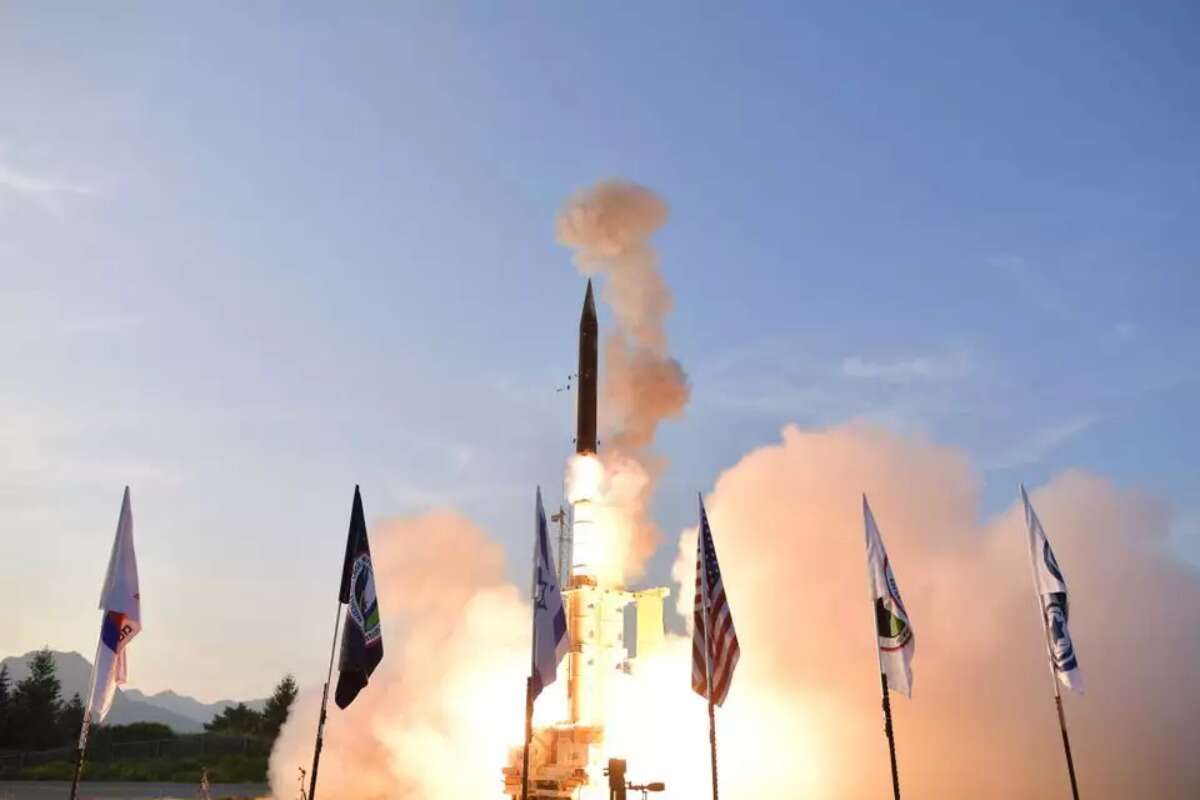
Israel Aerospace Industries (IAI) is already putting this approach into practice. Drawing on the operational experience gained in Israel and our groundbreaking technologies, we are laying the foundations for the next generation of weapons and defense systems. Artificial intelligence (AI) and autonomous technologies are becoming central to our technological development, offering unprecedented potential to accelerate response times, integrate information from multiple sources and enhance precision.
We believe AI is not meant to replace people, but to empower them. Human ingenuity will continue to drive creativity, sound judgment and unconventional thinking. Yet preserving our qualitative technological edge in the years ahead will require a fundamental rethink of the relationship between academia and industry, alongside greater investment in education that fosters technological excellence.
Breakthrough Innovation
Growing international demand for IAI's products is strengthening the company's financial position while reinforcing Israel's economic and national security resilience. Taking IAI public will provide greater financial flexibility, support continued investment in research and development, and strengthen Israel's standing as a global technology leader.
IAI combines groundbreaking innovation with a profound commitment to Israel's security. We are developing cutting-edge technologies to deliver advanced solutions, strengthen Israel's defense independence and contribute to a safer world.
Boaz Levy is the chairman of the board of Israel Aerospace Industries (IAI).