Eight days before the election, the IDF is on especially high alert for possible security developments. As of now, senior officials say there is no concrete intelligence pointing to rising tensions. Still, the defense establishment's biggest concern is that Iran might conclude Israel and the US will again try to catch Tehran off guard under cover of the election.
In such a scenario, the Iranians might try to seize the initiative this time, striking first in the belief that whoever moves first usually gains the upper hand.
The problem is that some in the political leadership may be trying to drop hints that Israel could strike first, for political reasons, heightening the risk of exactly that kind of Iranian miscalculation. This is despite the fact that, according to senior defense officials, there is no urgent need to attack or take initiated action in the days leading up to the election.
Still, it's important to stress that top IDF brass emphasize the Iranian threat is far from over, and the chief of staff believes Israel will have to return to fighting at some stage.
When asked whether a return to fighting must happen before the election, senior officers say no. Quite the opposite, in fact. Military leaders believe the top priority in the coming days, beyond preparing for surprises and unforeseen security developments, is ensuring stability and allowing the election to take place on schedule, as part of Israel's democratic process.
Reports claiming the Americans asked Israel to act alone, or that Israel is considering acting alone against Iran, should be treated with a great deal of skepticism, though Israel is also preparing for the possibility that it will be forced to go it alone if all other options run out.
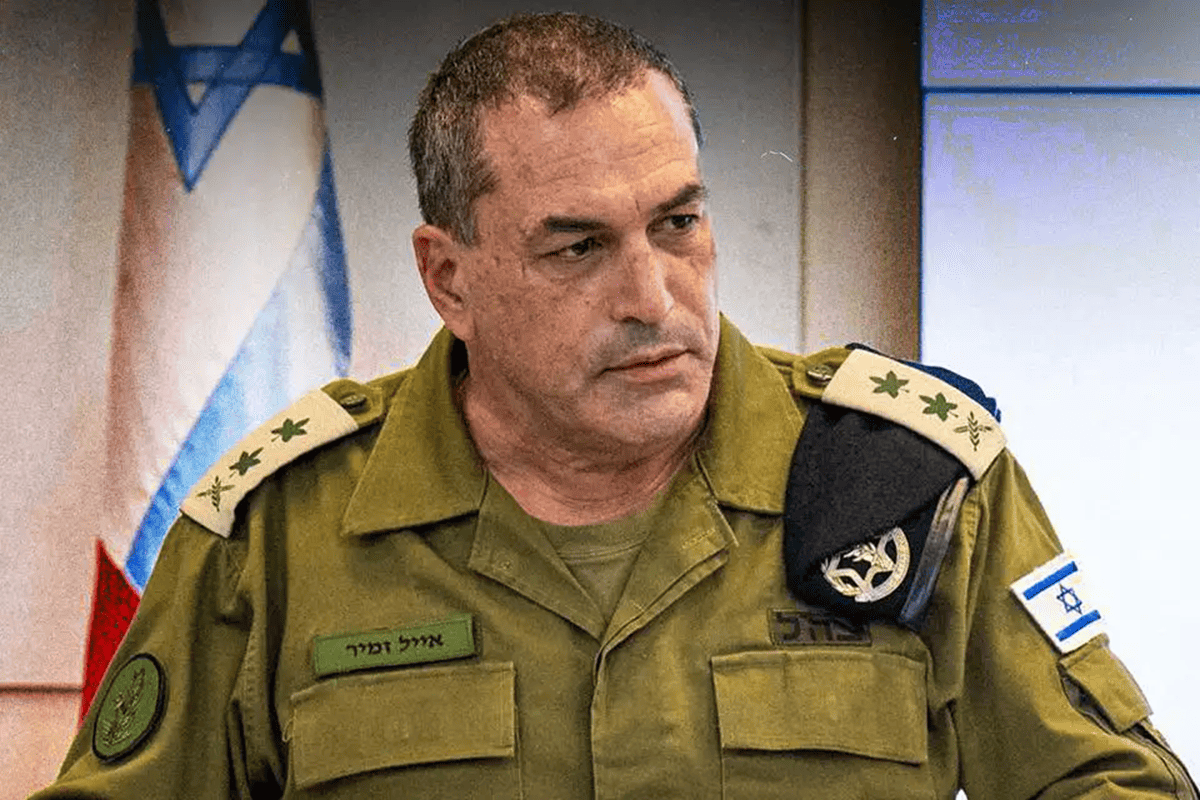
It's worth noting that the relationship between the chief of staff, Lt. Gen. Eyal Zamir, and his counterpart, the commander of CENTCOM, Admiral Brad Cooper, is strong, as are the ties between Israeli and American officers more broadly, which grew significantly closer during preparations for Operation Roaring Lion, during the operation itself, and afterward as well.

The working assumption is that if Israel returns to fighting, it will do so alongside the US. This is where the American calculation comes into play. The last thing President Donald Trump needs or wants is to head into the midterm elections in the middle of an active war with Iran, with oil prices climbing.
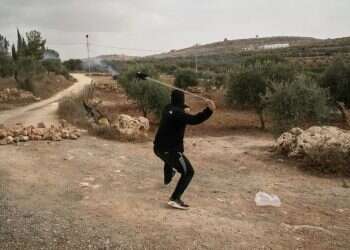
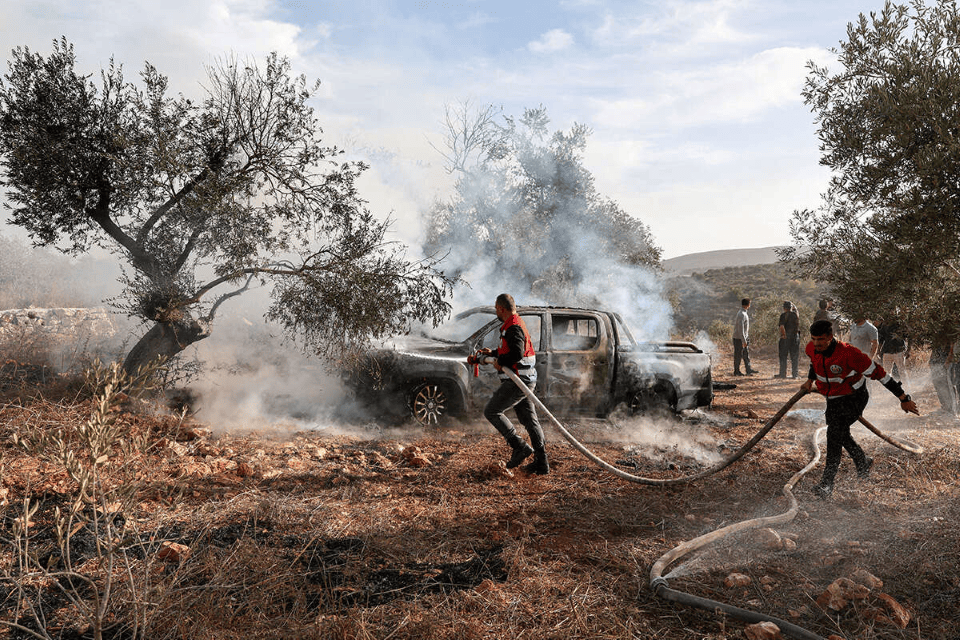
But Iran isn't the only volatile front these days. As we saw this past weekend, Judea and Samaria are on the verge of erupting, with the army, police and Shin Bet failing, perhaps because they aren't trying hard enough, to rein in the chaos caused by hundreds of right-wing extremists who have been relentlessly attacking Palestinians during the olive harvest.
Along the way, they also managed over the weekend to harm an American press photographer and foreign diplomats from Poland, Belgium and France. Prime Minister Benjamin Netanyahu, for his part, offered only a mild condemnation and a statement that the matter should be reviewed, language that hasn't done much to rein in events on the ground. To that, of course, must be added the constant tension in Lebanon and Gaza.
Either way, Chief of Staff Zamir and the entire IDF top brass have an important role to play in the coming days in maintaining security stability that will allow the election to proceed on schedule. But there is no doubt the security challenges are far from over, and whatever government comes next will have to confront them, and sooner rather than later.