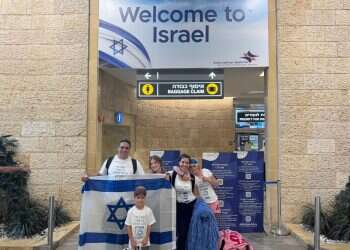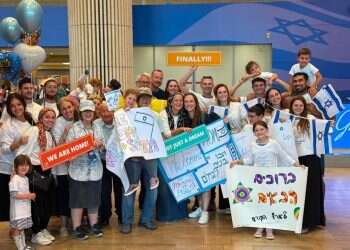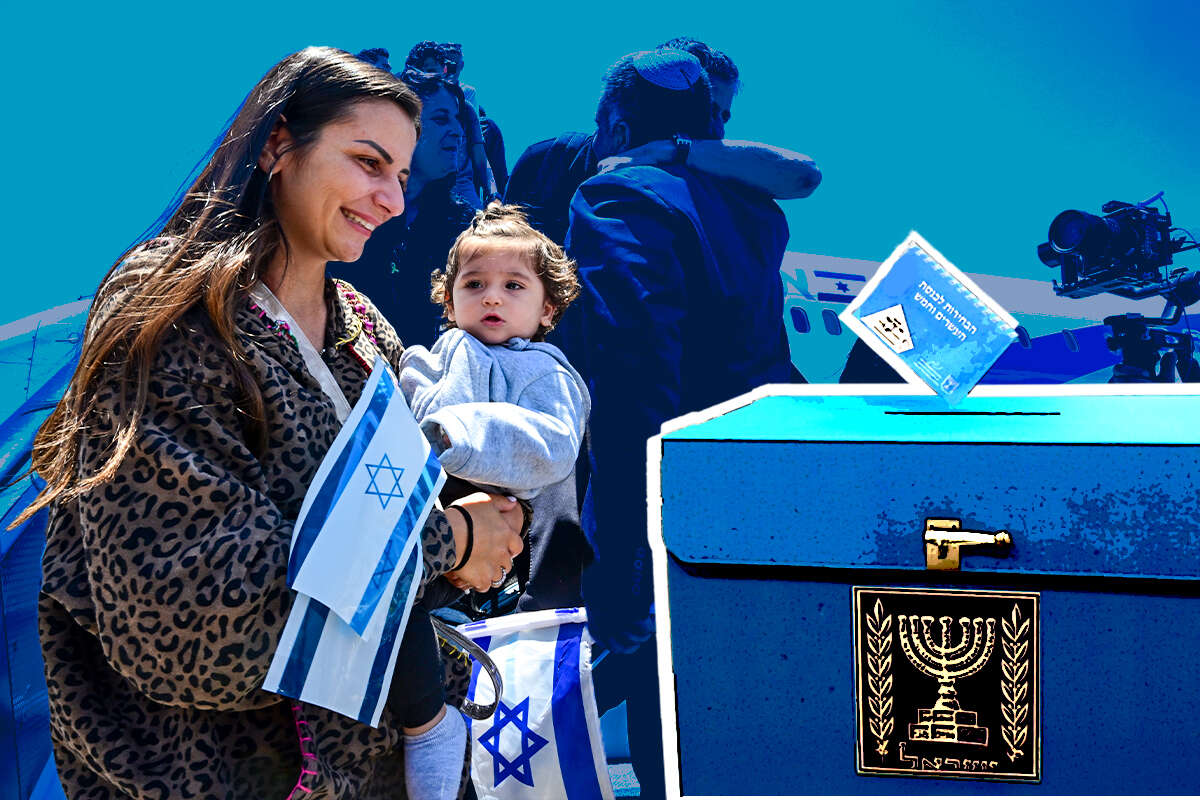
The State of Israel officially entered a particularly charged election period, which some describe as among the most critical in its history, following the dissolution of the Knesset earlier this month. While the general electorate weighs its options, political parties have begun internal primaries and aggressive social media campaigns, one group in Israeli society feels left behind – new olim.
These recent arrivals – newly minted Israeli citizens – have either never experienced an Israeli election campaign or hesitated to vote in previous rounds due to a limited understanding of domestic politics. However, the terror attacks of October 7 – which served as the catalyst for Aliyah for many – along with the difficult aftermath in Israel and diaspora Jewish communities, highlighted the need to influence the future of the place they now call home. This political confusion is notably shared by many native-born Israelis as well.
According to data from the Ministry of Aliyah and Integration, approximately 66,000 new immigrants will be eligible to vote in Israel for the first time. Among them, more than 20,000 arrived from Western countries and nearly 25,000 from Russia. This demographic represents one of the most significant new voting blocs in recent years, featuring thousands of olim from the US, France, the UK, Ukraine, and Canada – numbers that reflect a substantial surge in Western immigration.
As part of "The 11th Million" project launched by Israel Hayom earlier this year, we met with new olim from France, the US, and the UK ahead of the upcoming election to discuss their challenges and political insights.
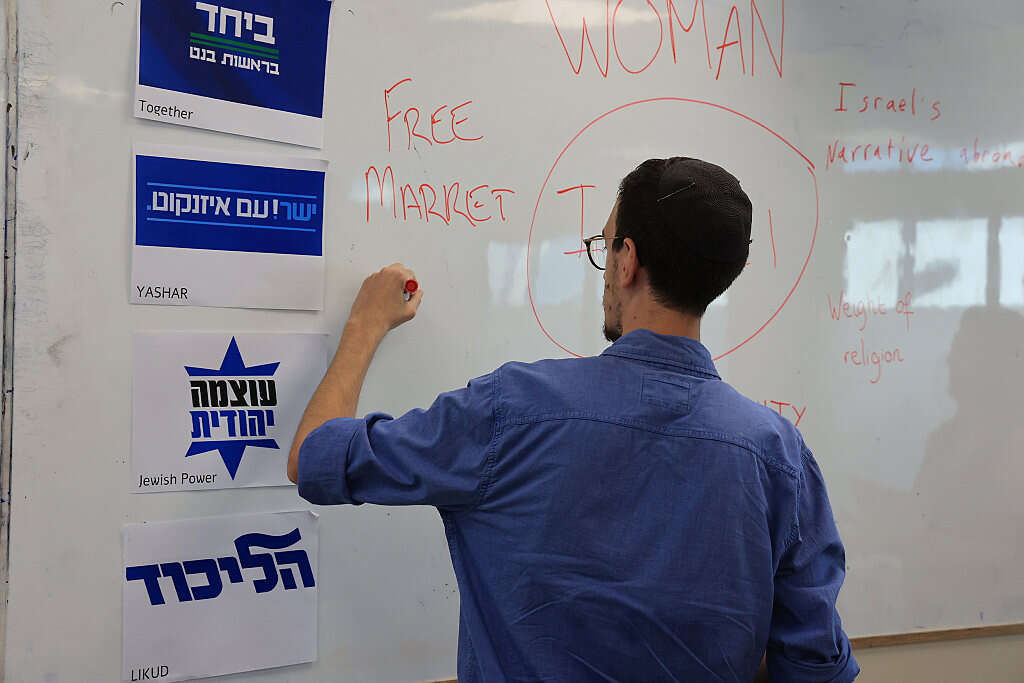
"The only party I know is Likud, because of Bibi," Alexia Kochava Mareek, who made Aliyah from Paris during the COVID-19 pandemic and subsequently volunteered for IDF service, said. "I do not agree with all their decisions, so it is quite hard to choose a party when you do not know what is happening inside and do not agree with all its terms."
Despite being unfamiliar with many of the faces on campaign billboards, these voters hold firm stances on core issues. From the balance between religion and state and female representation in government to public diplomacy, integrity, and national unity, they articulate clear positions and critiques. "Maybe it's not a great bag to choose from, but there's a scale to how bad it is," Joshua Levy, who moved from London in July 2025, said.
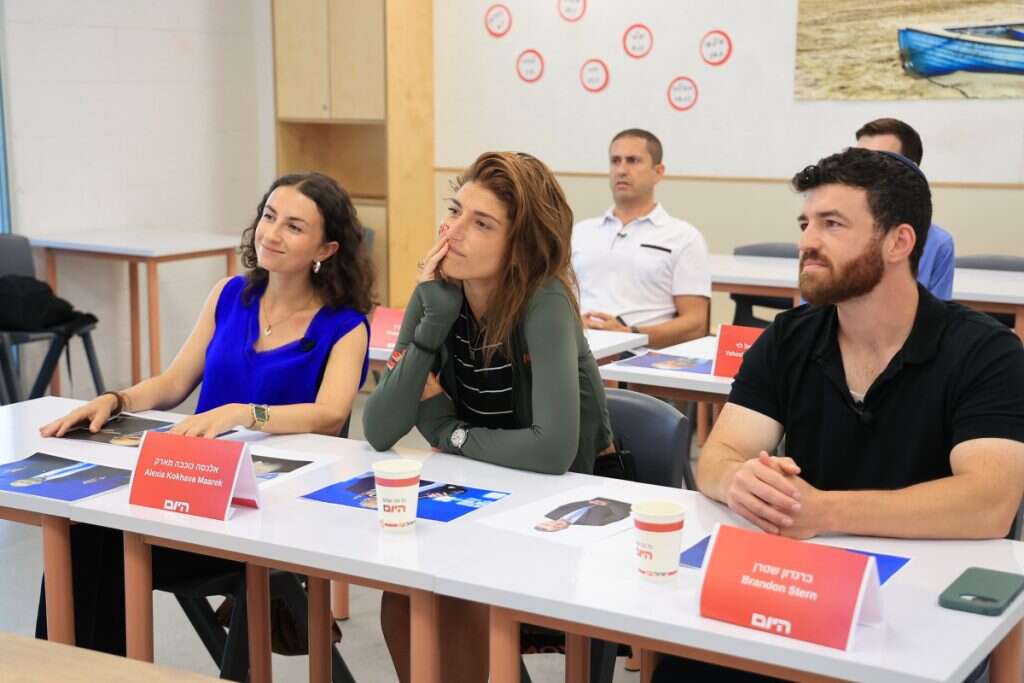
Beyond grasping inter-party dynamics and leadership rivalries – a challenging task for any average Israeli – these voters face the hurdle of understanding the Israeli electoral system itself. Elements such as parliamentary seats, the electoral threshold, the presidential role, and the absence of a formal constitution require new immigrants to process these variables to exercise their voting rights effectively while moving past the political structures of their home countries.
The visible divisions within the government had reached these immigrants long before they arrived in Israel. Simon Dunitz, who made Aliyah with his family from London, said his vote will go to candidates demonstrating a willingness to cooperate across the political spectrum. "The different sides must work hard to try to understand each other so we can reach solutions. We all saw what happens when we are divided," he emphasized. "For me, internal unity is the most important thing."
"Israelis forget that it is really cool to live in Israel," Alexia added. "As new olim, we fought for the right to live here and to learn Hebrew. I believe that Israel should also count on the international community and the new olim to start representing the country, and not make us feel different," she emphasized.
"Welcome to Israel," we concluded. "Just one question," one of the olim asked. "When are the elections? And how do we vote?"