
When the ground gave way beneath Israelis' feet on October 7, and at the peak of the war in the years that followed, a surprising trend took hold. The number of new olim (immigrants) began to climb, turning an enormous crisis into a turning point for many diaspora Jews who concluded that, in light of antisemitism unseen in years, Israel was the safest place for them.
There is no disputing that their stories are moving or that their Zionism is inspiring. However, the reality, as we already know, is more complicated. Behind the aliyah stories and the landing photos at Ben Gurion International Airport stands a sobering statistic from recent years: the majority of Israelis whose residency has been terminated are new immigrants.

According to National Insurance Institute data, in 2025, 35,625 Israelis had their residency terminated – whether through emigration or a proactive request to end residency status – of whom approximately 20,000 were new olim, accounting for 56% of all those leaving the country. In 2024, a sharp spike in emigration was recorded, with a total of 46,385 Israelis having their residency terminated, of whom 18,841 were new olim – approximately 40% of all those leaving the country.
Although it is possible to infer that the security situation had an impact on the surge in departures, this is in fact a trend that began as early as 2022. That year, a sharp rise was recorded in the number of new immigrants who left the country within two years of making aliyah: more than 18,000 olim left within a single year, and more than 20,000 within two years – figures indicating that the majority of immigrants in this wave left fairly quickly. The trend worsened in 2023. Although the number of new olim who left within one year was lower, at 15,474, the number who left within two years of making aliyah jumped to 27,983.
"The departure of new olim is the result of two things: inadequate absorption and limited financial support," MK Gilad Kariv, chairman of the Knesset Committee on Aliyah, Absorption, and Diaspora Affairs, explained. "The State of Israel provides a relatively generous absorption package [a government benefits package for new immigrants] for six months, but after that, the support given to olim is marginal and focused on rental assistance, with an emphasis on the periphery."

He added: "Anyone who knows the cost of living in Israel and the challenges of the job market understands that the absorption pacakge needs to be expanded both in duration and in the scope of rental assistance – but for olim who arrive without a solid financial base, the support available today does not enable genuine assistance," he said, emphasizing that "if the state aoms for one million olim in the coming years – a strategic goal – it must invest significantly larger sums in assisting olim during the first three years of their absorption."
According to Kariv, the additional reason so many new olim choose not to put down roots in Israel is the political reality. "Most new olim from the [former] Soviet Union came here because they did not want to live in non-democratic countries, and the judicial overhaul led them to wonder – as it did tens of thousands of veteran Israelis – whether Israel should be their final destination.
"It is impossible to ignore the fact that most olim still come from CIS countries, but the government is largely hostile to this wave of aliyah and does not invest in it the way it invests in immigrants from other countries," Kariv added critically.
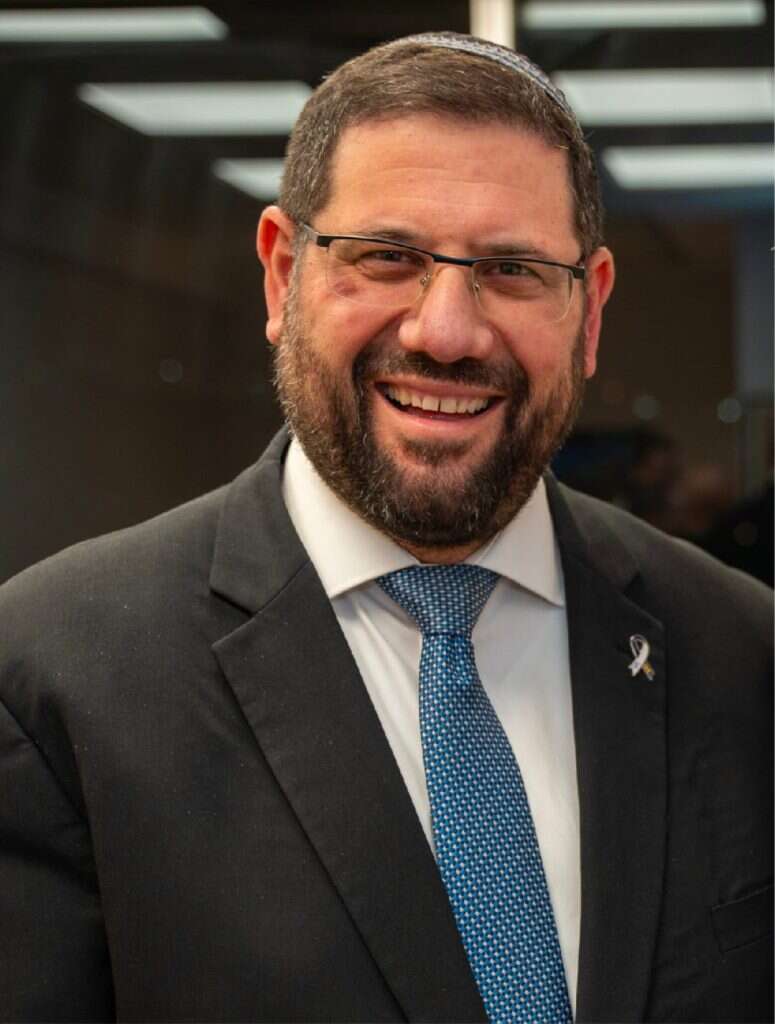
"Every Jew who decides to leave the country after trying to fulfill his dream represents our failure," Rabbi Avi Berman, CEO of OU Israel, stressed. "As a Jew who lives in the Land of Israel, I want to believe that we as a people know how to absorb every Jew fittingly. The more we succeed in bridging reality for them, in explaining and guiding them, the better. Not long ago, I dealt with a case of parents of an eighth-grade oleh who discovered only at the end of the school year that their son had no framework for the following year, simply because they were unaware of registration deadlines at the local authorities, and the bureaucracy of the education system.
"These are everyday stories," he emphasized, adding: "Olim run into difficulties with government offices – such as psychologists from abroad who wait months for credential approval from the Health Ministry and are left in limbo. In Israeli government offices, you often need to know who to call, think about who you know, and how to push things that were submitted weeks ago. For a new oleh, this is an enormous challenge," he explained.

Alongside the systemic failure to sustain absorption, another wave of aliyah is expected this summer. According to Nefesh B'Nefesh, approximately 2,300 new olim are expected to arrive, including approximately 500 families. "In 2026, we are seeing 450 aliyah files opened every month. Before the war, there were only 330," Ze'ev Gershinsky, the organization's deputy director, said. "What is particularly impressive is that the people who choose to make aliyah today are doing so with full knowledge of the reality in Israel and a conscious decision to be part of the Zionist story. Our role – which we carry out with the utmost devotion – is to ensure that each one of them becomes an Israeli success story."
"The events of October 7 changed the picture," Rabbi Berman added. "North American Jewry is examining its future and asking hard questions. I speak with many people who are now sending the younger generation to study in Israel. There is a deep understanding that the time of the Jewish people in North America is not unlimited. Therefore, our role is clear: we at OU emphasize that the moment a Jew decides to make aliyah to the Land of Israel, we must do everything in the world to ensure that he is absorbed here in the best, most embracing, and most successful way possible."