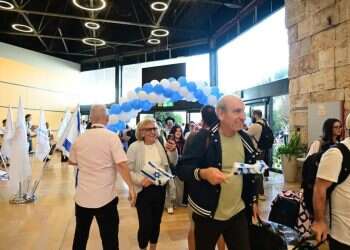
The expected summer aliyah wave, in which close to 6,000 new olim are expected to arrive in Israel according to Aliyah and Integration Ministry figures, stems from a combination of the ideal timing for relocation and the desire of families with children to ensure a soft landing in the country. For olim, this is a critical window of opportunity for adjustment: Arriving in July or August allows them to use the first weeks to get organized, arrange housing and register for schools, with the aim of beginning the school year on Sept. 1 together with all Israeli students. At the same time, however, the challenges of aliyah often place olim in general, and young people in particular, in a complex absorption reality, without a stable social circle and in a new environment that speaks a different language and has a different culture.
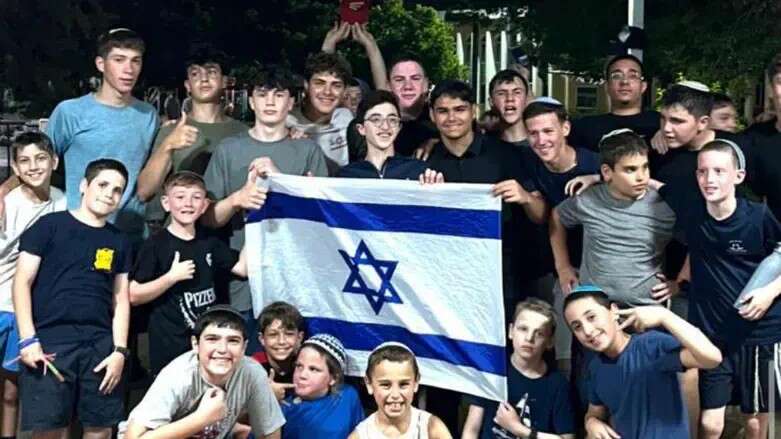
In response to the challenge of social absorption, OU Israel's Camp Dror has adapted its programs ahead of the coming season in order to absorb hundreds of children from fourth through ninth grade from Anglo-Saxon families, including new olim. The camp, which is marking 21 years of activity and is based on the model of North American Torah summer camps, will move this year to two new sites in northern Israel, which will operate as separate campuses for boys and girls.
Eyal Tannenbaum, a new immigrant who grew up and was educated at Camp Dror as a camper throughout his childhood, is returning this year to the same place, but this time as a member of the senior counseling staff.
"I am looking forward to coming back, to all the trips such as rafting and Aqua Kef, the hiking trails, meeting new people, spending Shabbat together with all the camp songs," Tannenbaum said, describing the camp experience. Speaking as someone who made aliyah, he emphasized the added value that remains years later and also helped him integrate properly and build a shared social circle: "The camp itself is only the beginning. What is really great are the friends who stay with you for life."
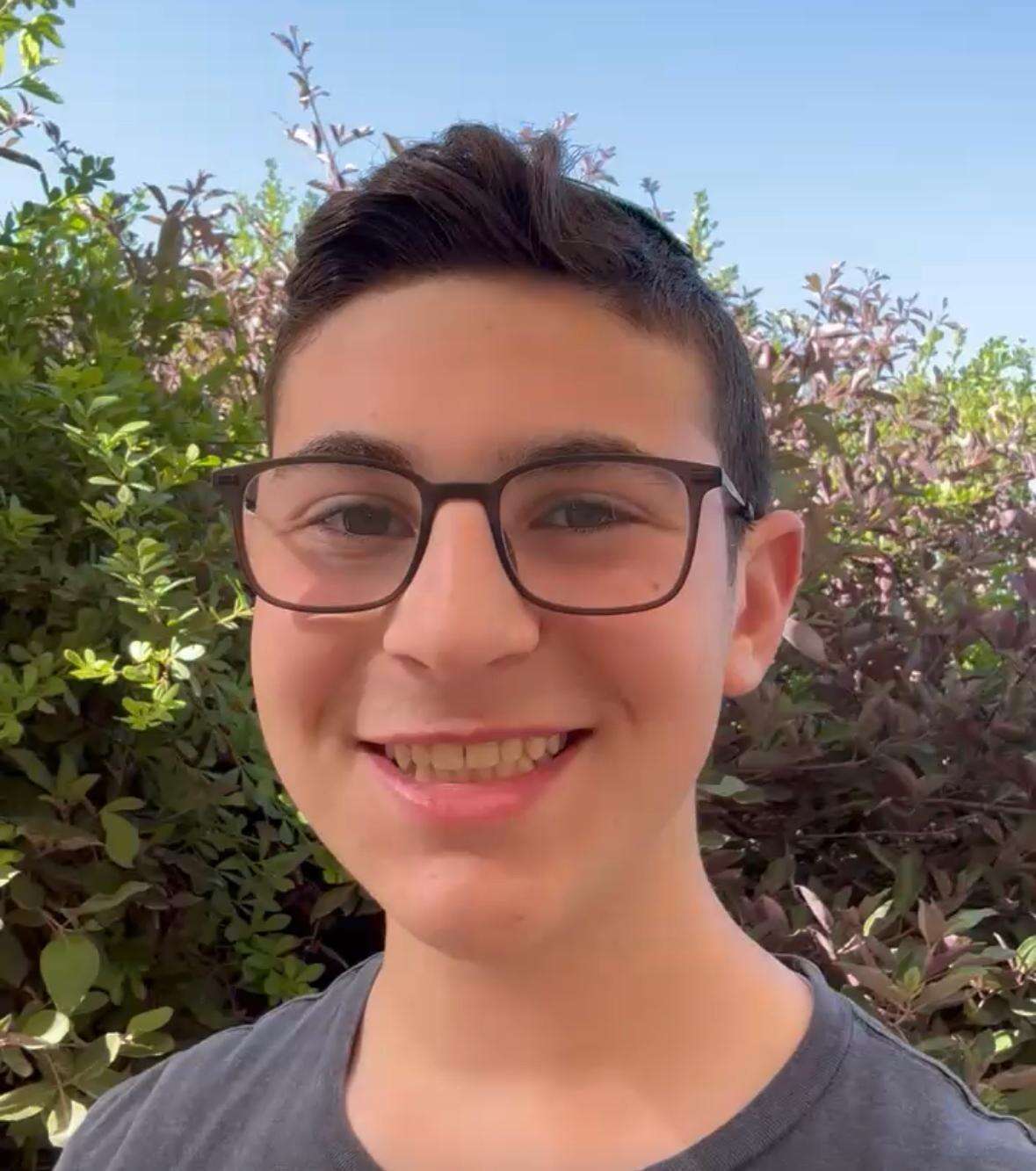
OU officials said that for teenagers who leave behind their familiar surroundings, the intensive encounter at camp with both veteran Israeli teens and new olim creates an equal social environment that eases the difficulty of absorption and prepares them socially for entering school in September and Israeli society more broadly.
The leadership of OU Israel also said that the expansion of the program and the move to the new campuses in the north are part of a broader absorption strategy. Esti Moskovitz-Kalman, director of the Department of English Speakers in Israel at OU, said: "The increase in investment in Camp Dror in recent years stems from the recognition of its national role. In a summer in which thousands of families are choosing to make aliyah, our goal is to provide English-speaking religious youth with a stable social anchor. The camp gives them the tools to connect, grow spiritually and begin their new lives in Israel with a clear sense of communal belonging."
The adaptation and management of the current camp is being led by incoming director Rabbi Kenny Pollak. Pollak, who immigrated to Israel with his family in 2019, brings professional experience as the founding director of leading summer camps in the Orthodox sector in the US, including Moshava Malibu and Sephardic Adventure Camp.
"Our goal is to take the familiar model of North American summer camps and pour it into the Israeli camp setting," Pollak said. "The joint encounter between new olim and Israeli youth, centered on the values of Torah and connection to the land, while disconnected from screens and cellphones, strengthens their identity and pride in the place they have come to."