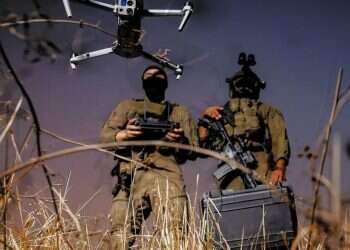
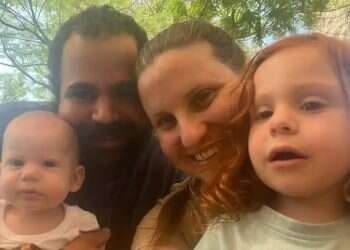
As Hamas prepares for the next war, rebuilds terror infrastructure and plans how to strike IDF outposts, residents of the Gaza border communities are watching from the sidelines with concern at what appears to be a return to the old conception: an attempt to differentiate between Hamas and the population, and to provide benefits to those who were an integral part of the Oct. 7 massacre and the mechanism for abducting civilians and soldiers.
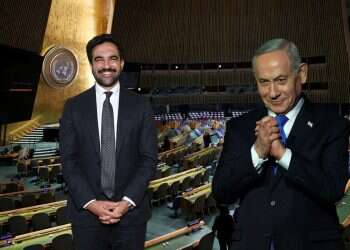
As revealed in Israel Hayom, the Board of Peace is expected to establish humanitarian shelters for Gazan civilians in the coming weeks, with Israeli support, in order to take control of the population away from Hamas. In practice, this is a mechanism similar to the food distribution compounds, which Hamas ultimately caused to collapse from the outside. Residents of the Gaza border area fear that the Israeli government is once again repeating past mistakes and will leave them to deal with the terrorist organization's brutal plans.
"We experienced it firsthand"
Since yesterday's report that the pilot program would take place in Tel al-Sultan in the Rafah area, without disarming Hamas and with the deployment of multinational forces, responses have poured in from community leaders and security coordinators in the Gaza border area who are not prepared to sit by. Not again.
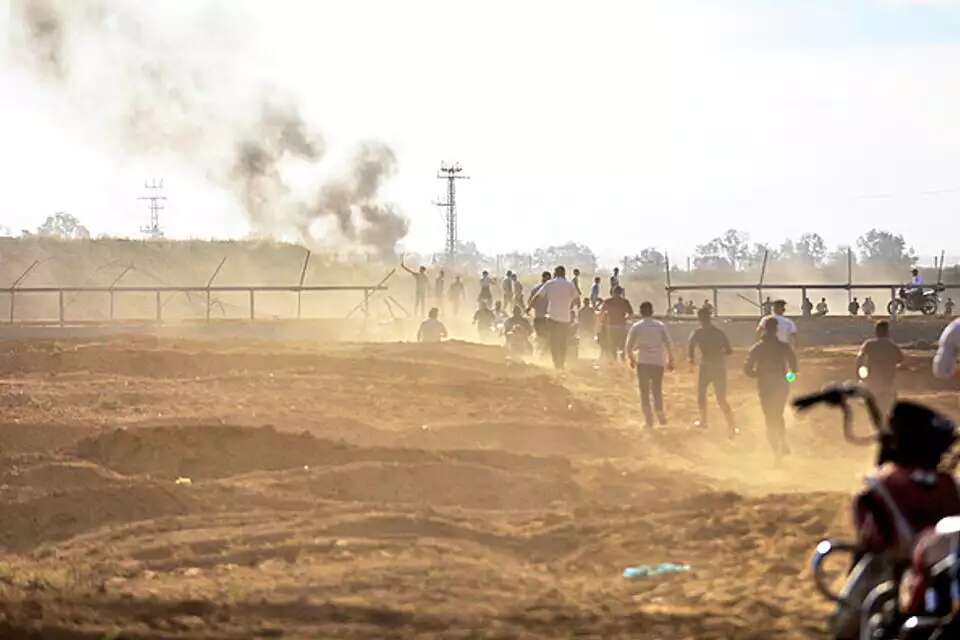
Michal Uziyahu, head of the Eshkol Regional Council, told Hayom: "We are absolutely opposed to any progress in a process that does not include disarming Hamas and neutralizing it as a security threat to our communities. Eshkol stood at the heart of the Oct. 7 massacre and experienced firsthand the unimaginable price of the existence of an armed terrorist organization beyond the fence."
According to Uziyahu, "The lesson is clear. Any civilian or diplomatic move in the Gaza Strip must begin with one clear basic condition: the full dismantling of Hamas' military capabilities and its weapons. Any other framework endangers the security of the residents of the Gaza border area and the State of Israel as a whole, and must not happen."
"We are exposed"
The worried responses are coming from across the sector that suffered severe blows on Oct. 7.
Kibbutz Kerem Shalom said in a statement: "Before the framework is implemented, and as a condition for it, the kibbutz demands the disarming of Hamas and the neutralization of its ability to threaten the communities adjacent to the fence. On Oct. 7, Kerem Shalom was among the first kibbutzim hit by the infiltration of Hamas terrorists, and we suffered heavy losses in the battles inside the kibbutz. We cannot and will not agree to allow the enemy to return to living next to the fence, so close to the communities. After all, it is clear that the homes that will be built for the Gazan population will serve as shelter for Hamas, just as humanitarian aid serves and strengthens Hamas every day."
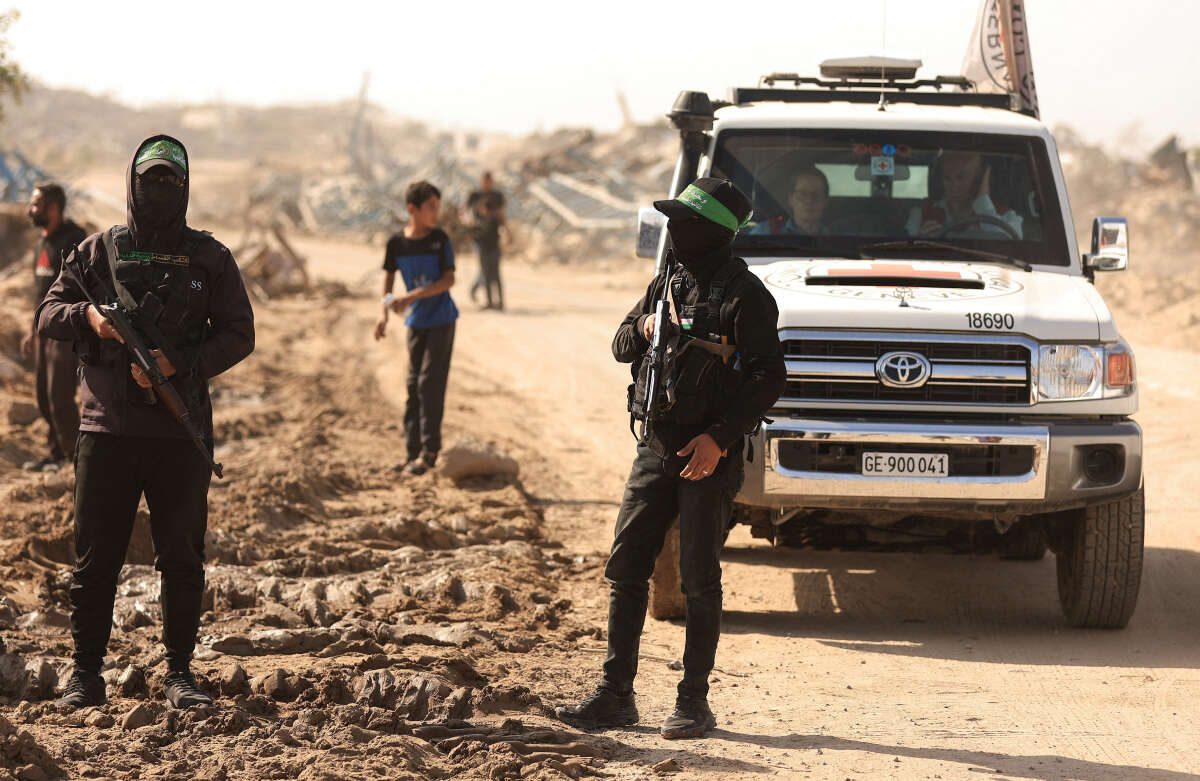
The statement added: "As long as Hamas is armed and controls the Strip, it is impossible to separate the residents from Hamas terrorists."
Elia Ben Shimol, the Kerem Shalom security coordinator, added: "Rafah is adjacent to the Philadelphi Corridor, which will enable an aerial highway for weapons smuggling by drones, as happens all the time on the Egyptian border. The IDF has not yet finished dealing with all the tunnels, and above all, Hamas rule has not been toppled. It is armed with many weapons and combat means. We will not be able to agree to any framework or action without the full dismantling of Hamas' military capabilities and its weapons."
"Enough with optimistic assessments"
Adir Segev, head of emergency and security for the Sdot Negev Regional Council, made similar comments to Israel Hayom.
"From my perspective, every initiative will be judged only according to the security reality on the ground. The central question is how, in practice, the screening will be carried out to determine who is not affiliated with Hamas, who is responsible for that process and how reliable it is. As long as Hamas has the ability to carry out attacks, launch drones, fire anti-tank missiles or attempt to infiltrate communities, there is no room to reduce operational readiness. The residents of the Gaza border area have already learned that security must be based on proven capability and not on optimistic assessments. We will therefore continue strengthening the security components and preparing for every scenario."
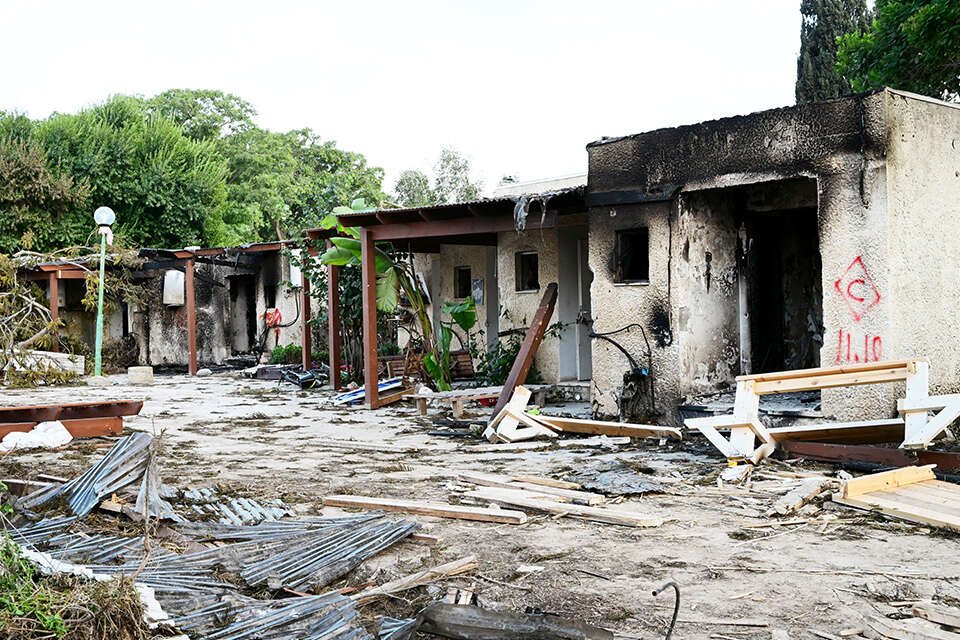
The Nachala movement, which is demanding a change in the security reality around the Gaza border area through the establishment of new communities in the northern Gaza Strip, also responded to the report and rejected the humanitarian plan.
"The attempt to establish 'humanitarian zones' is a dangerous return to the Oslo conception, which brought a bloodbath. Israel must not cooperate with the illusion that there is a difference between one enemy and another in Gaza. Any aid and any international council will serve terrorism. There is no option other than Jewish settlement in Gaza."
Residents of Moshav Dekel were also outraged by the Peace Council's intentions.
"We will not be able to stand by. Precisely after the events of Oct. 7, instead of strengthening the sense of security and the protection of the Gaza border communities, we are witnessing cuts to security measures and to the budgets of the rapid response teams, as though we learned nothing from the difficult events we went through. We cannot accept a policy that weakens the State of Israel's first line of defense while at the same time promoting moves that could increase the risk to the region's residents.
"True leadership begins with responsibility for the security of citizens. The security of the residents of the Gaza border area must be the guiding principle in every decision, not a secondary consideration and not a fait accompli. We demand that the voice of the residents of the Gaza border area be heard, and that no decision regarding the future of the region be made without ensuring the full security of the residents of the communities along the fence."