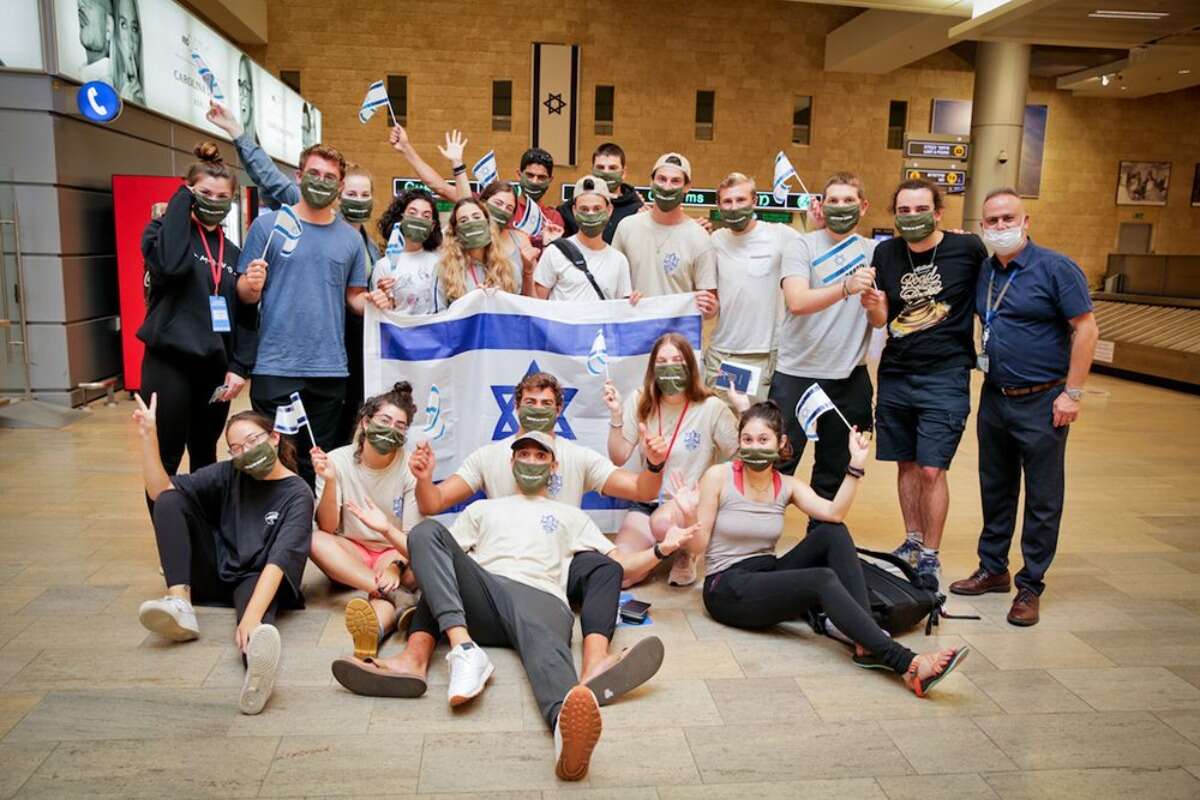
For many olim, deciding to move to Israel is only the beginning. The challenges often come after arrival, as they navigate unfamiliar systems, look for work, deal with bureaucracy and adjust to a totally different culture.
Olim Paveway, founded by Israeli entrepreneur Ofer Nachshon in partnership with American oleh Yaakov Gurwitz, helps prospective and new olim prepare for these challenges and navigate everyday life in Israel.
Practical support for olim
The organization combines practical assistance with community support. Its personal guide, or malaveh, service connects olim with someone who can help with everyday tasks, from arranging appointments and filling out forms to navigating government offices and the kupat holim system.
The team also works with prospective olim before they get on a plane, encouraging them to consider the practical and personal changes involved in aliyah rather than arriving with an idealized picture of their new life.
For Nachshon, the work is about more than running a business. "We are a faith company, which means that it's not just a commercial enterprise…It is literally a business of the soul," he shared with Israel Hayom.
Rabbi Sid Slivko, an American oleh who has lived in Israel for nearly 30 years and serves as the organization's community relations coordinator agrees. Slivko also works with community leaders and rabbis to help olim establish connections and build strong communities. He also hosts Paveway's Olim Toolbox Talks, regular Zoomcasts offering practical aliyah advice from experts.
"We are a business with a mission," he said.
"All of this is who and what we are," Nachshon explained. "We want to help olim, so if we have a way to help olim, we do it."
Olim Paveway also tries to reach olim who may not know where to turn for help. As Nachshon points out, the problem is often not that help is unavailable, but that olim often don't know what to ask for or what rights and resources they are entitled to.
"We go out and to talk to people, find out what they need and look for ways to help them. We do this because solving problems is our nature. We feel like this is our purpose," Nachshon continued.
Slivko described the team's approach as proactive rather than waiting for people to seek assistance.
"Instead of just sitting back and waiting for something to manifest, we reach out to people and somehow or other help them," he said.
Different people, different needs
The challenges surrounding aliyah and integration also vary from person to person depending on their circumstances. Young adults arriving alone may face loneliness and financial pressure, while families must navigate housing, employment, school registration and healthcare. Older olim may have additional medical needs.
"Think about young people who go alone, for example, you made aliyah by yourself," noted Nachshon. Families, he added, must deal with responsibilities such as registering children for school, while older people may need medical assistance and ongoing care. "It's very difficult," he said.
But what's incredible about aliyah, he added, is that you are welcomed and embraced at any age. "In Israel, you can come at the age of 90 and move and get all the rights."
Coming from different backgrounds, Nachshon and Slivko bring complementary perspectives to the organization. Nachshon approaches aliyah as an Israeli who recognizes the difficulties newcomers encounter, while Slivko understands the experience firsthand. He still describes himself as "an oleh hadash with 30 years of experience."
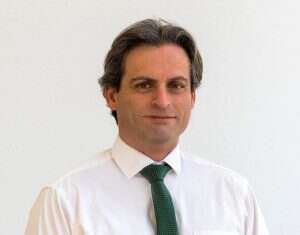
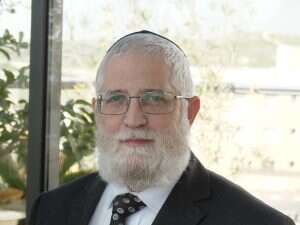

Together, they understand both the Israeli systems olim must navigate and how overwhelming the experience can feel to someone encountering them for the first time.
They therefore emphasize the importance of having realistic expectations. Aliyah can be deeply rewarding, but it often means leaving behind family, an established career, financial stability and a familiar community. A person's previous lifestyle or level of success may not immediately - or ever - look the same in Israel.
Both note that financial pressures, bureaucracy and cultural differences can make settling in difficult and are often among the main reasons some olim decide to leave Israel.
From oleh to community member
Nachshon and Slivko challenge the idea that olim are a burden on their new communities. They argue that newcomers bring skills, experiences and perspectives that can benefit Israeli society, even as they need time and support to establish themselves.
Slivko sees aliyah as a two-way relationship. "It's not just that you are an oleh, but when you move to Israel, you're also a ma'aleh (contributor)," he said.
Olim not only receive assistance but also contribute their skills, perspectives and experiences to the communities they join, he noted.
"Every person who comes to Israel contributes something wonderful to the community," said Slivko, adding that "We love the idea that people are choosing to come and making this place a better place by being here. It's a win-win situation."
Olim can often struggle to find their place, access support and translate their professional skills and experience into meaningful contributions in the workplace or in other contexts. But with appropriate support, they can build their lives while strengthening the communities around them.
"We give people a leg up in their transition and they in turn end up paying it forward by being part of our community," said Slivko.
Building a life in Israel takes more than paperwork and planning. It takes people willing to notice when someone needs help, reach out before being asked and recognize that every oleh's journey is different. Sometimes, making aliyah a little easier begins with something as simple as walking up to a stranger and asking: How can we help?