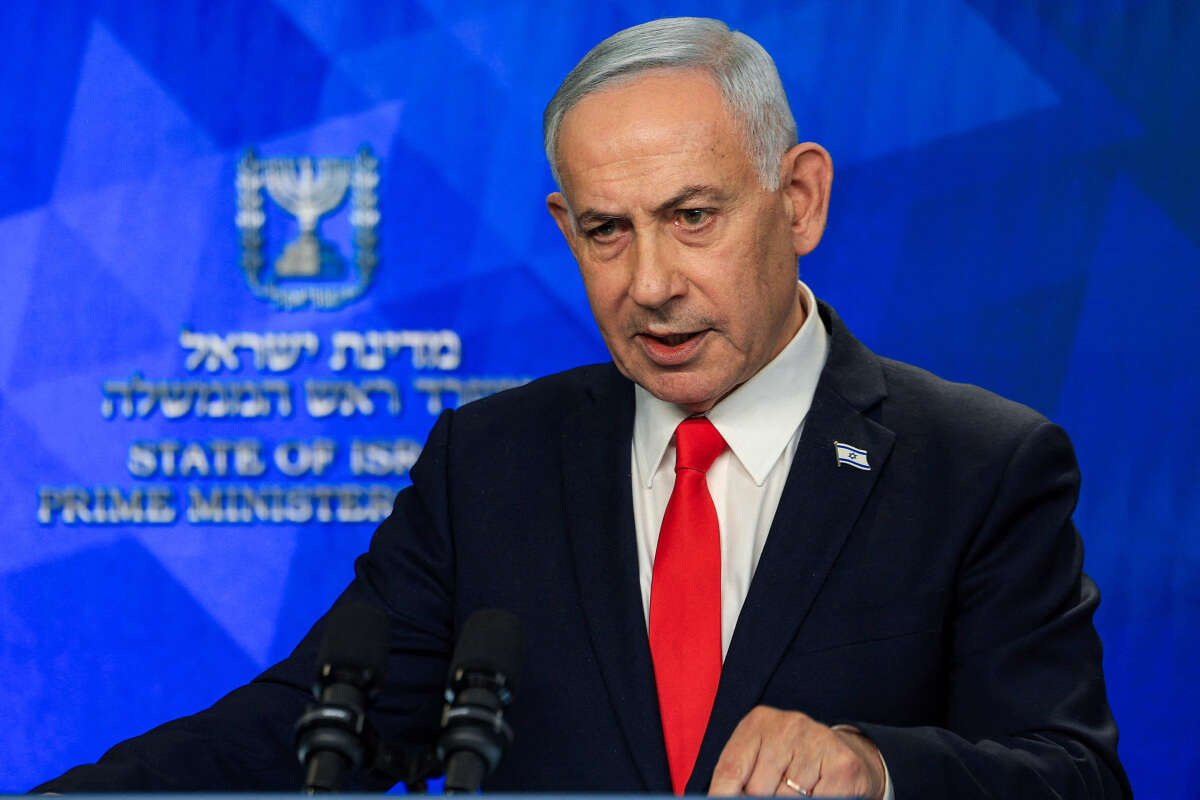
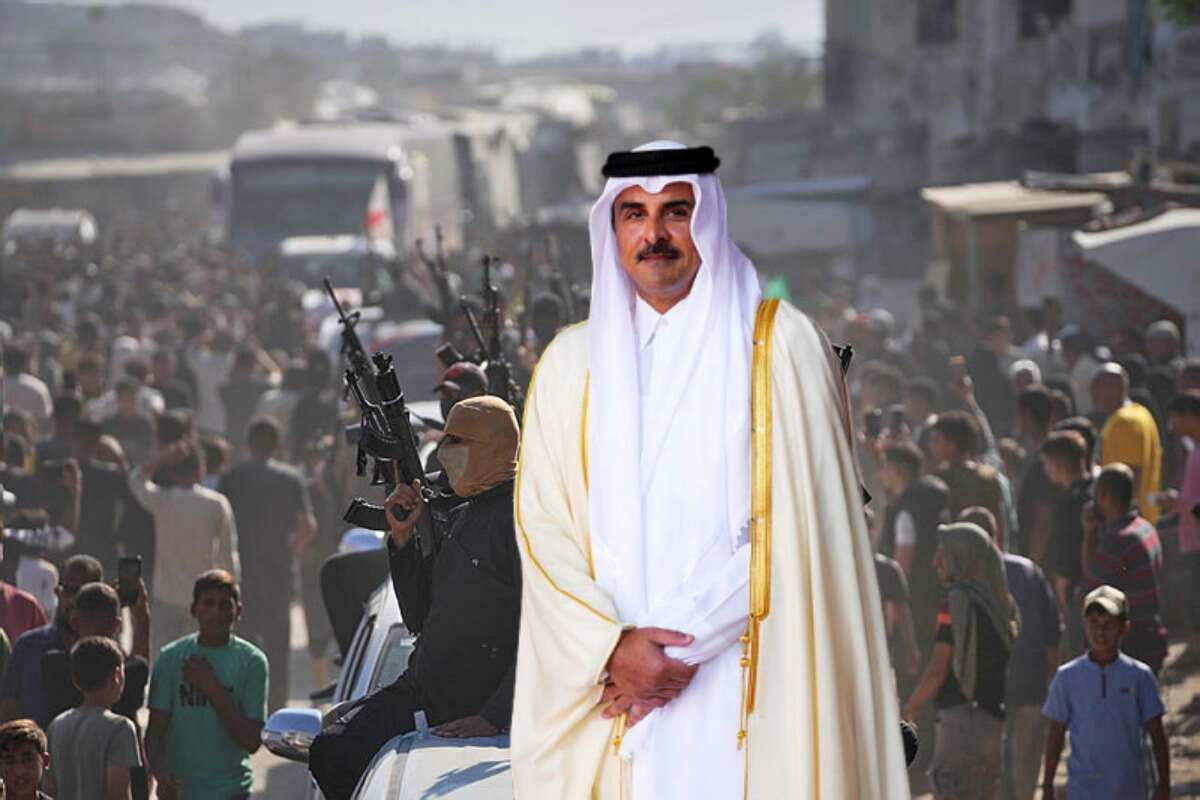
The newly revealed data showing the transfer of Qatari fuel and money to the Gaza Strip during the war is hardly surprising. Qatar remains a key player regarding Gaza, highlighting a massive disparity between Israel's fierce rhetoric and its actual policies. Despite Doha serving as a central funder for Hamas and the global anti-Israel hate campaign, the Israeli government refuses to designate Qatar an enemy state. Prime Minister Benjamin Netanyahu also avoids distancing his confidant, Jonatan Urich, who worked for Qatar, signaling with a wink that the Gulf state is "fine."
Allowing Qatari money or fuel into Gaza is a legitimate tactical decision. What is not legitimate is the leadership's constant evasion of responsibility. Netanyahu and his ministers should have told the public the truth, acknowledging that Israel operates under a straitjacket of constraints and must sometimes prioritize the available over the desirable.
Without a decisive outcome in Gaza, and with Hamas maintaining its grip on the Strip, Israel is forced to accept harsh realities, some of which are served courtesy of the US. This predicament will continue, and likely worsen, as long as Israel refuses to decide on the future of the territory.
This critical decision will wait until after the elections and the formation of a new government. The same paralysis applies to security decisions in other arenas, primarily Iran. Israel remains highly concerned about Iran's renewed military buildup, mainly in missiles and drones, aided by Russian assistance.
Jerusalem and Washington share this concern – having held a series of talks on the subject in recent weeks – but the Americans appear unwilling to take definitive action before their midterm elections in early November.
These volatile open theaters dominate the election campaigns. Netanyahu continuously speaks about the need for a decisive victory, while his rivals point out that he has failed to achieve one on any front.

Meanwhile, engagement with pressing domestic issues has been completely sidelined. European citizens are holding stormy protests in the streets over education and the cost of living. Yet in Israel – where the state of education and the cost of living are far worse – these issues are barely a marginal footnote in public discourse. The same applies to the core issue of the conscription law for ultra-Orthodox men, which dominated public debate just months ago.
Amid the noise of negative campaigns, the interview that Maj. Gen. (Res.) Avi Gil, Netanyahu's former military secretary, gave to Israel Hayom and Channel 12 stood out sharply. The Likud campaign has worked overtime in recent days trying to smear Gil and attribute ulterior motives to him, but it has struggled to obscure the stark truth he laid on the table.
His revelations range from the partial information that Gil said was provided to the State Comptroller, to the minutes that were feverishly collected and the document explicitly altered by Netanyahu's former chief of staff, Tzachi Braverman.
The police investigated this issue over a year ago. Likud officials claimed the police shut the case, but senior law enforcement figures rejected these claims, noting there is actually a recommendation to indict Braverman after he admitted to forging the protocol.
The criminal aspect is clear, as forging an official document is a severe felony, but the public interest should be paramount. The public must ask who had an interest in altering the protocol and why, whether Netanyahu knew or ordered it, whether other protocols were doctored, and why the Likud insists on backing a man suspected of breaking the law.
Gil has been under relentless attack since the interview aired. Over the weekend, political operatives published a photo of him allegedly protesting on Kaplan Street. The implied message was clear, suggesting he belongs to the Kaplanists who oppose Netanyahu. However, the photo was actually taken at Hostages Square last summer, more than a year after Gil was discharged from the IDF. This is not the only piece of fake news weaponized against Gil, who has also received direct and indirect threats.
The picture Gil articulated is troubling precisely because it underscores the urgent need to investigate October 7 and the events preceding it. The glaring disparity between the information placed before Netanyahu, the warnings delivered, and the proposals to eliminate Hamas leaders, versus Netanyahu's own narrative, demand a thorough inquiry.
Without such an investigation, Israel cannot draw the lessons necessary to prevent the next disaster, nor can it achieve the national healing it desperately needs. Instead, the internal rift only deepens, and no war on any front will solve this damage.