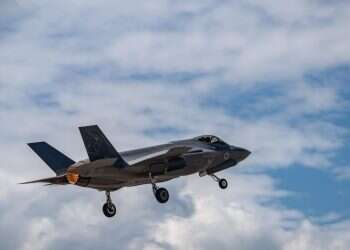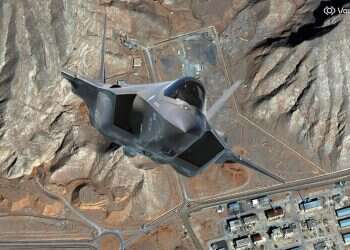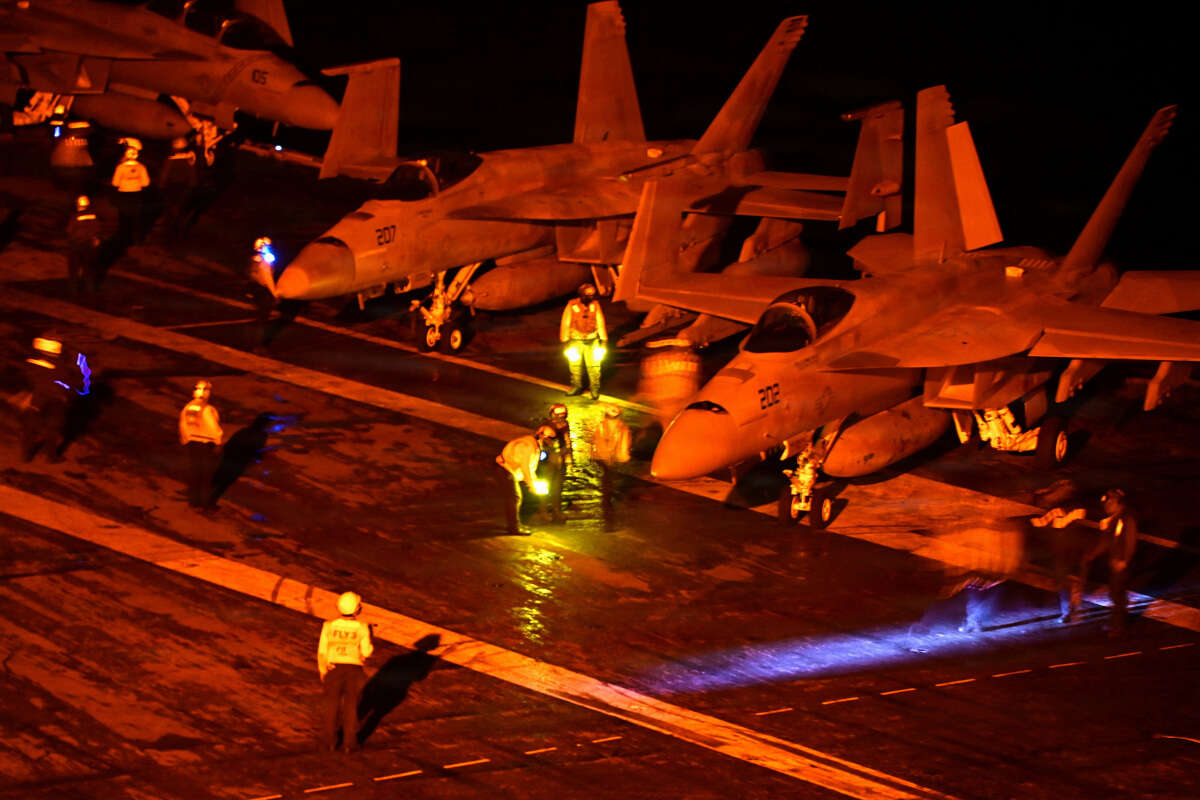
The US has told several Gulf Arab states to brace for a short, intense campaign against Iran after the midterms, The Wall Street Journal reported. A Patriot system is heading to Israel, munitions are being restocked, and extra warships are poised to arrive next month.
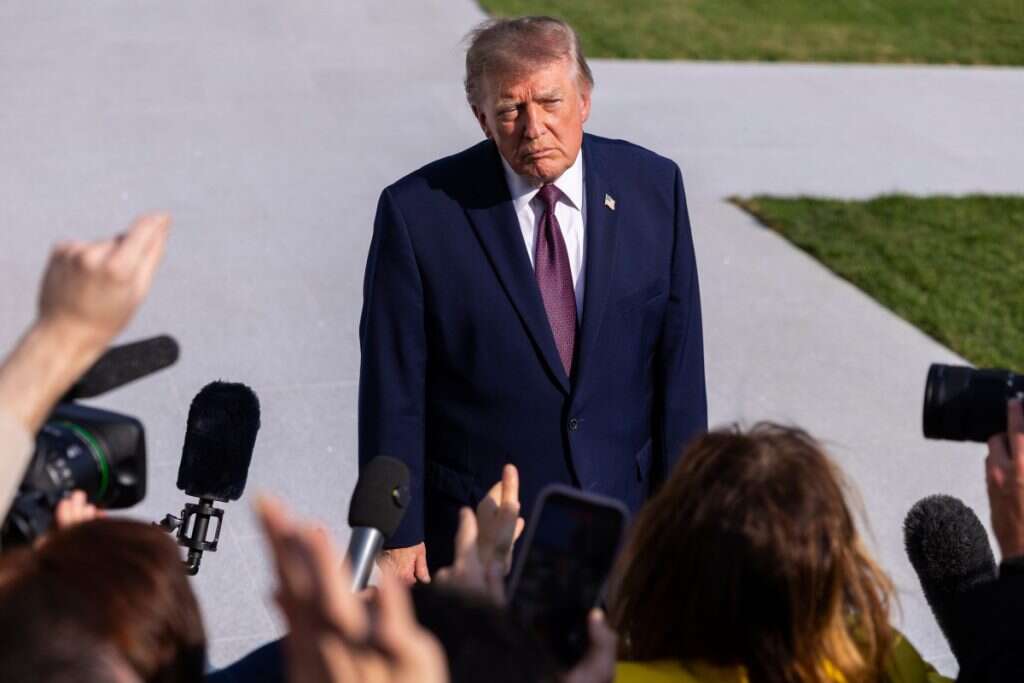
US President Donald Trump has not made a decision yet, but he is leaning toward a large attack on Iranian infrastructure and nuclear sites, sources familiar with his thinking said. "We may do another little Epic Fury," Trump said at a rally last week, adding "or they'll agree."
The White House said it would not comment on "sensitive military plans that may or may not exist."
"President Trump keeps all options on the table to ensure that Iran can never have a nuclear weapon," the White House said. Trump has said he will not strike before the midterms.
Israel has also readied targets, and Prime Minister Benjamin Netanyahu is pressing to resume strikes. Airstrikes would replace a sanctions and naval blockade campaign that has cut off Iranian oil sales for months.
"If there is a need to target a growing threat like missile reconstitution, President Trump should make that case publicly and with as much detail as possible," Behnam Ben Taleblu, senior director of the Iran program at the Foundation for Defense of Democracies, said. "Otherwise, at the moment, the US has a winning hand through maintaining sanctions and the blockade. It should stay the course."
"I believe one of the biggest mistakes Israel and the United States continue to make is assuming that another round of strikes against Iran, including attacks on critical infrastructure or the elimination of senior officials, could somehow bring down the regime," Danny Citrinowicz, a former Israeli military intelligence official, said. He added that more bombing could make the regime dig in on its missile and nuclear programs.
The US and Israel destroyed much of Iran's nuclear program in June 2025, and Rafael Grossi, head of the International Atomic Energy Agency (IAEA), told the UN Security Council that it has seen no repair or reconstruction activity. Inspectors still lack access to the sites to verify his statement, and the IAEA cannot confirm that no nuclear material was diverted.
"I don't think anything is going to permanently set back their program," Seth Jones of the Center for Strategic and International Studies said of Iran's nuclear work, but strikes would allow Trump to "start to walk away and say that you had again set back Iran's nuclear program this time." Jones said Trump could thus declare victory even without a decisive blow.
Iran has threatened harsh strikes on economic and civilian targets across the region if attacked, and it still holds hundreds to thousands of missiles. Israeli officials are worried by the speed of its rebuilding. Mediators are scrambling to revive talks, The Wall Street Journal reported, with little luck as the US insists on discussing Iran's nuclear program and Tehran sets tough demands.