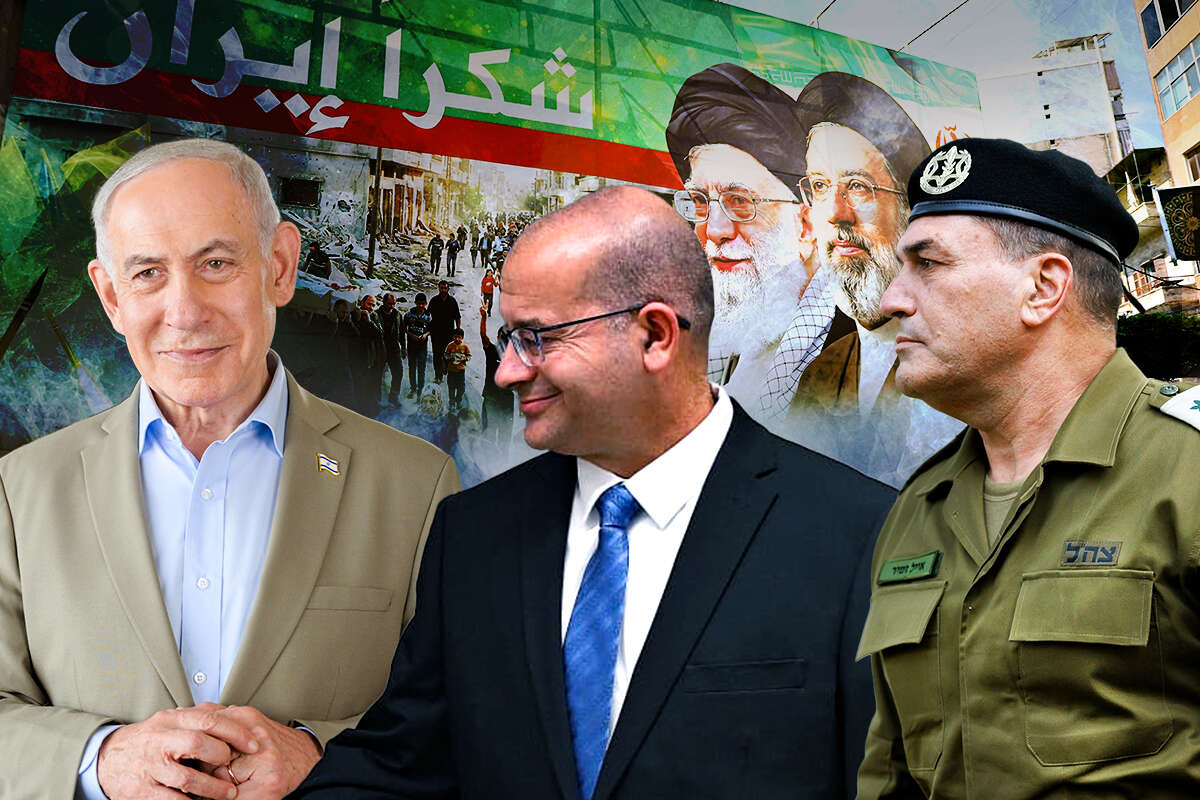
Prime Minister Benjamin Netanyahu pushed for a swift military operation in Iran but encountered opposition from IDF Chief of Staff Lt. Gen. Eyal Zamir, who had not been informed of the plan in advance. Mossad Director Roman Gofman also supported the proposed operation, according to a source familiar with the discussions.
The source said such an operation could reignite the war with Iran. However, he stressed that there could be sound operational reasons for launching it now, unrelated to the elections.
Any significant operation involving all of Israel's security agencies requires a meeting of the committee of security agency chiefs, known by its Hebrew acronym VARASH, which brings together the heads of the Shin Bet security agency, the Mossad and the Israel Defense Forces.
Over the past week, opposition figures have accused Netanyahu of potentially seeking to launch an attack on Iran to influence the Israeli election results.
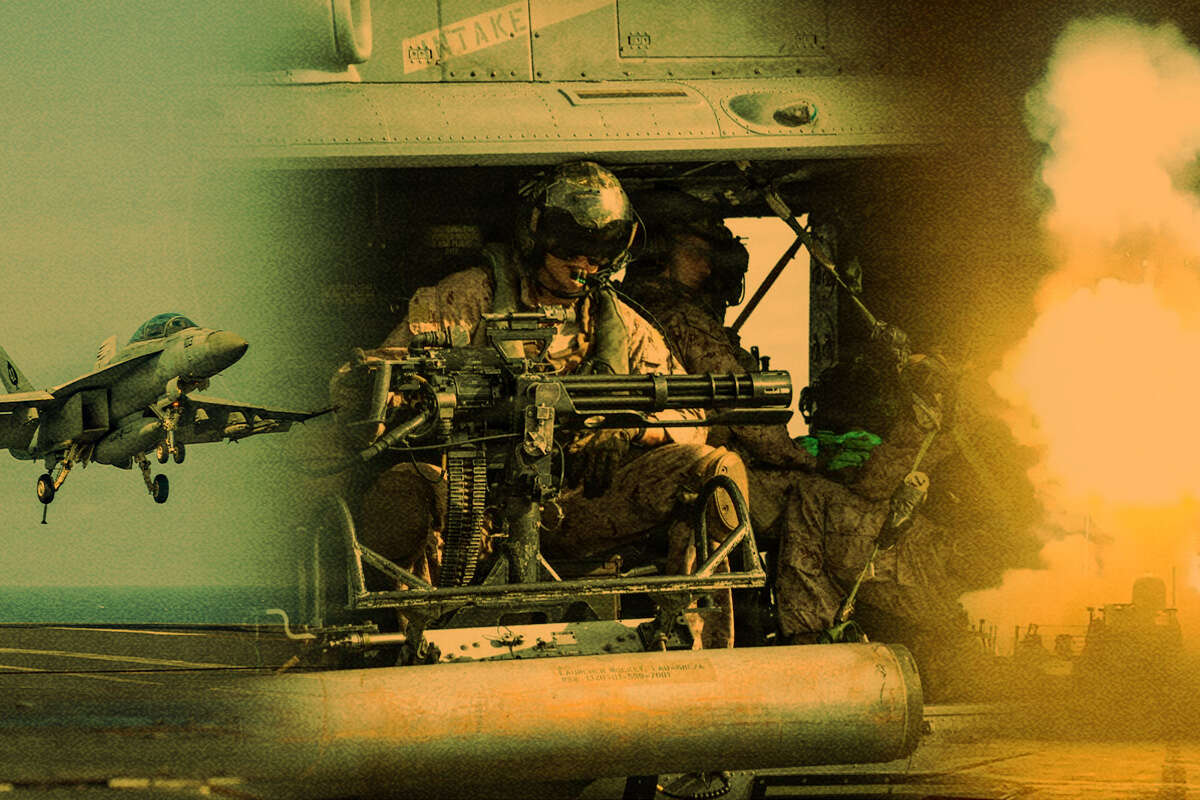
However, information obtained by Israel Hayom indicates that the proposed operation would not constitute a resumption of the large-scale military offensive, according to a very senior Israeli military official. An offensive of that magnitude would be carried out only with full coordination between Israel and the US, following a decision by US President Donald Trump, rather than one made in Jerusalem.
That official and other sources, including non-Israeli officials, believe such an attack is inevitable because of Iran's progress toward developing a nuclear bomb. In their assessment, the only question is when it will take place. The timing would be determined primarily by operational and intelligence considerations, particularly the need to prevent Iran from reaching the point of no return in developing a nuclear weapon.
For now, according to diplomatic sources, Trump prefers to wait until after the US midterm elections. He reportedly believes the operation could be carried out with similar effectiveness at a later date and is concerned that an attack would drive oil prices even higher, potentially hurting his party's prospects in the elections.
Meanwhile, there have been reports of limited strikes against Iranian targets in Iraq, some of which have been attributed to Israel, although Israeli involvement has not been confirmed. These strikes also benefit Saudi Arabia, as Iranian-backed militias operating in Iraq have been responsible for attacks against the Gulf kingdom.
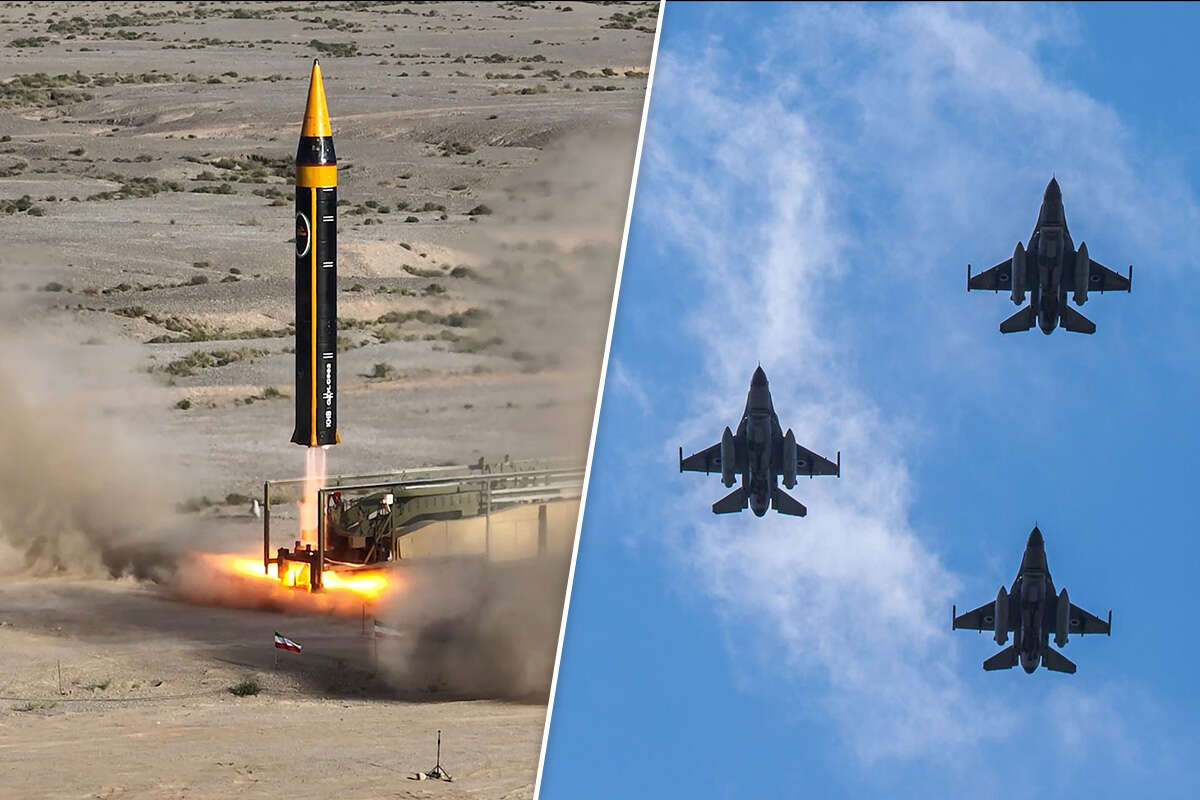
Israel and the US are preparing an operational plan aimed at toppling the Iranian regime and ending the rule of fear imposed by the Islamic Revolutionary Guard Corps. The assessment is that a devastating direct strike against the Iranian leadership, similar to operations carried out in the past, combined with additional military measures not previously undertaken, could set in motion a process that would ultimately bring down the regime. Iran's economic crisis, including the failure to pay salaries, is also seen as a factor that could contribute to its collapse.
Information obtained by Israel Hayom indicates that Israel's military and intelligence leadership does not oppose such an operation in principle. Rather, the concern is that launching it too close to the elections could raise questions about political motivations. The IDF, Mossad and other Israeli security agencies support the need to continue striking Iran and dramatically weakening its capabilities until both its nuclear and missile threats have been eliminated.
That position remains broadly shared despite some disagreements over how to achieve those objectives, how long the process would take and what, in principle, should constitute the overthrow of the Iranian regime.