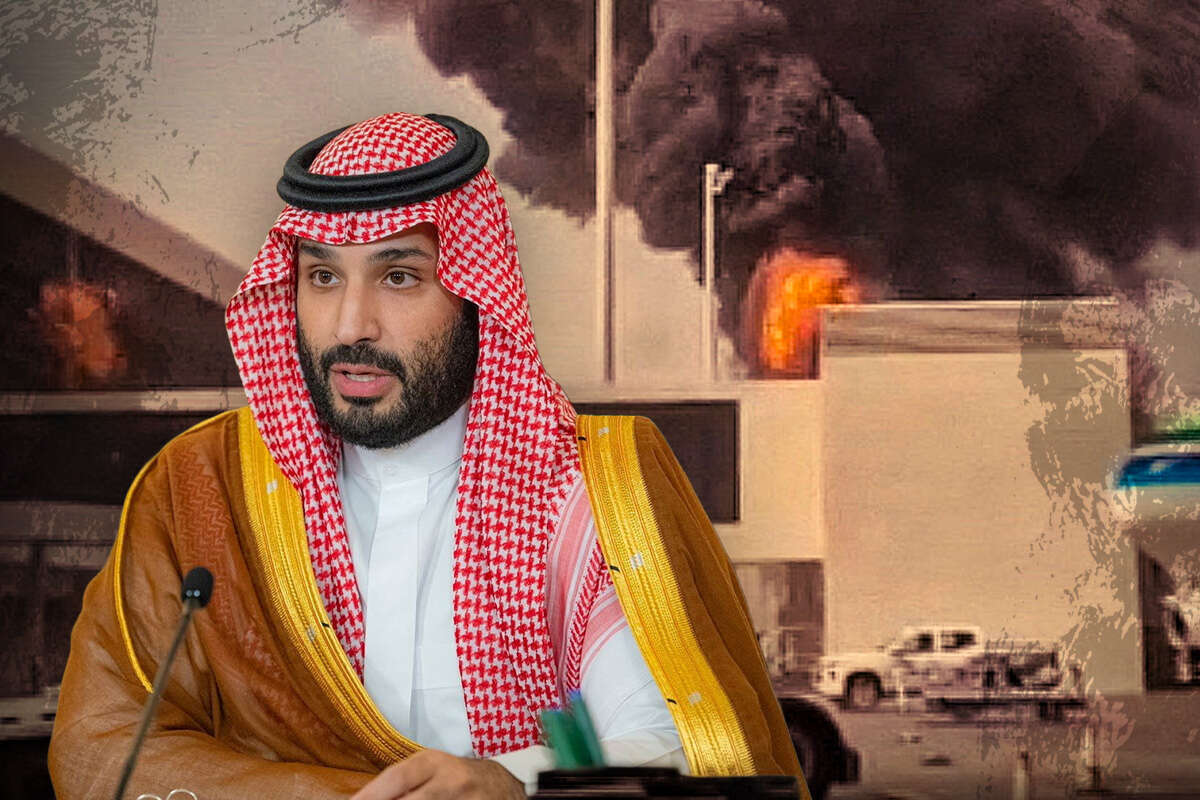
Diplomatic sources in the Gulf say Saudi Defense Minister Prince Khalid bin Salman's surprise visit to Iran was aimed at securing a ceasefire with the Houthis under a deal that would see Saudi Arabia transfer $1 billion to the Iranian-backed proxy through Tehran. According to one source, bin Salman even brought the money with him aboard the Hercules military transport aircraft on which he arrived.
The visit was arranged by Saudi Arabia's partners in the Mecca defense pact. Also taking part in the talks are Turkish intelligence chief Ibrahim Kalin and Pakistan's army chief, Field Marshal Asim Munir.
Pakistan and Turkey have failed to provide Saudi Arabia with meaningful assistance despite the agreement, sending only military advisers and no additional support forces, even though the defense alliance explicitly requires its members to provide military assistance if one of them comes under attack.
Iran was represented by President Masoud Pezeshkian, Supreme National Security Council Secretary Gen. Mohsen Rezaei and senior officials from the Islamic Revolutionary Guard Corps. Iran offered to mediate between Saudi Arabia and the Houthis over the crisis in Yemen.
The Houthis have been attacking airports and, in particular, oil facilities in Saudi Arabia, inflicting enormous economic damage on the kingdom. At the same time, Iranian attacks on tankers in the Strait of Hormuz have disrupted oil exports from the Gulf.
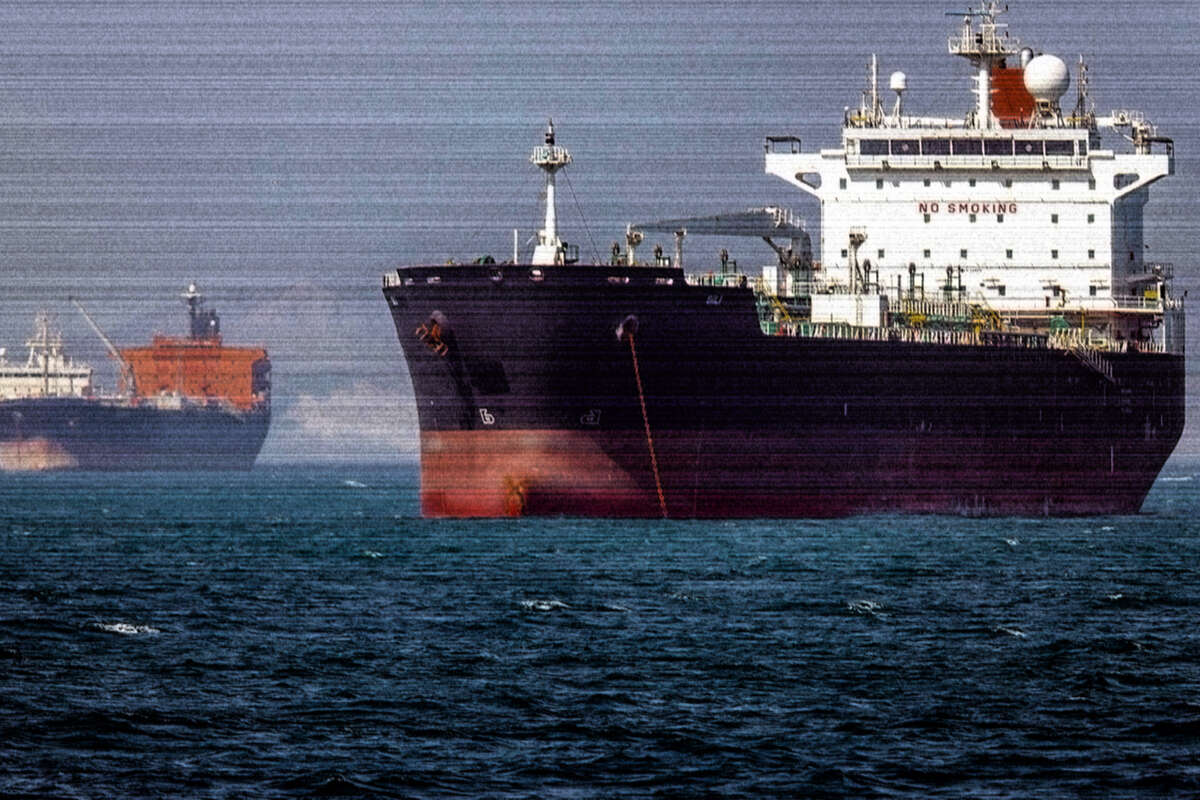
The money at the heart of the negotiations
The Saudi Foreign Ministry addressed the meeting in an official statement, saying: "The visit to Tehran by Prince Khalid bin Salman, the defense minister, and representatives of the member states of the Mecca Joint Defense Alliance comes as part of the alliance's ongoing efforts to de-escalate tensions between the parties to the current crisis, encourage dialogue and diplomatic solutions, and support the mediation efforts undertaken by the State of Qatar and the Islamic Republic of Pakistan."
A Saudi official did not confirm that any money had been transferred. However, speaking to Israel Hayom, the official noted that part of the dispute with the Houthis concerns the implementation of understandings reached three years ago.
Under those understandings, Saudi Arabia was to provide direct financial assistance to the Houthis as part of efforts to reach a settlement. The funding was intended, among other things, to pay public-sector salaries in areas under Houthi control and rebuild civilian infrastructure. In return, the Houthis were expected to uphold the ceasefire and halt their attacks on the kingdom.
In recent months, the Houthis have justified their attacks by claiming that Saudi Arabia reneged on those understandings. Nevertheless, Iran is clearly behind the current escalation as part of its war with the US, arming the Houthis and supporting them in other ways.
The meeting in Tehran is therefore also a public-relations setback for the Saudis, signaling a willingness to make concessions, at least in the short term, to fully restore oil exports.
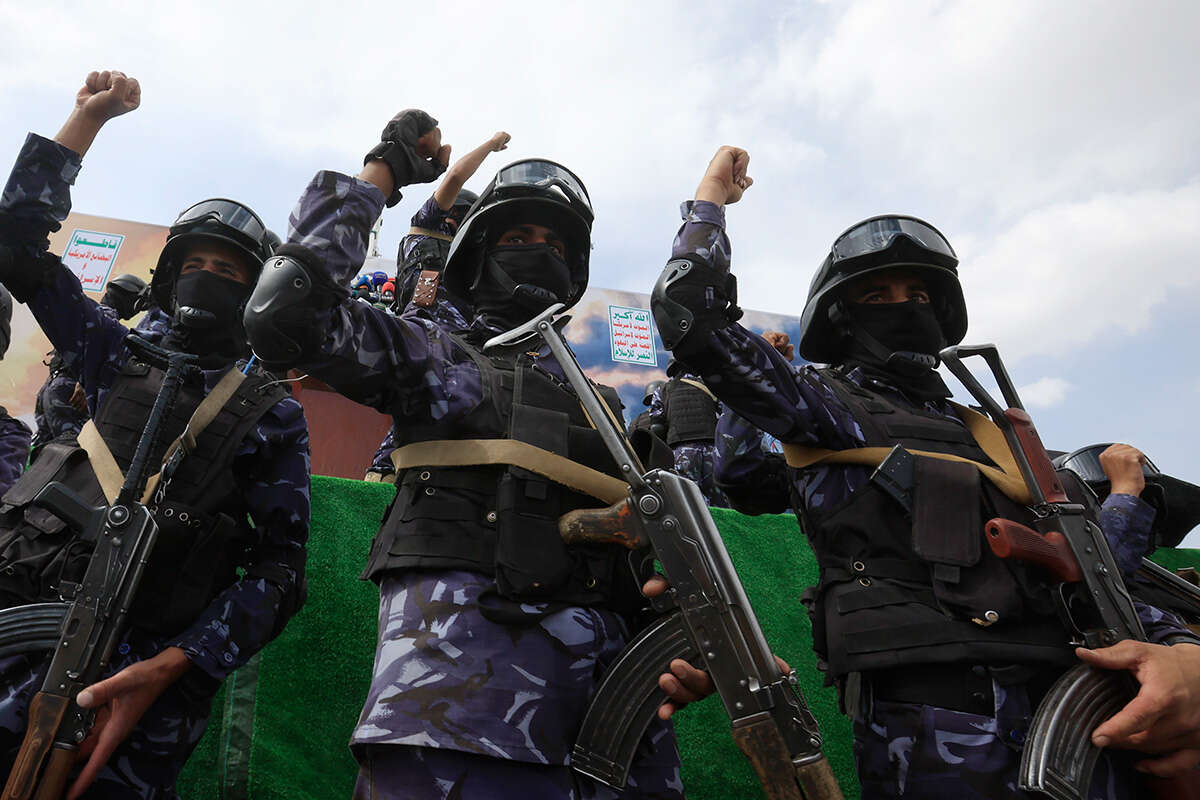
A diplomatic victory for Iran
Riyadh's official position remains that the kingdom categorically rejects a new ceasefire and refuses to give in to "military blackmail" or transfer funds to the Houthis before they return territory seized from Yemen's internationally recognized government, which is backed by Saudi Arabia.
For Iran, the developments represent significant gains. This is the first official meeting between representatives of the Mecca alliance and the Iranian leadership. The initiative for the meeting emerged during the Pakistani army chief's visit to Tehran last week.
Iran is seeking to use the summit to advance a new regional security framework led by regional powers. In doing so, Tehran is emphasizing its desire to prevent US or Israeli military intervention in the region while positioning itself as a regional diplomatic mediator.