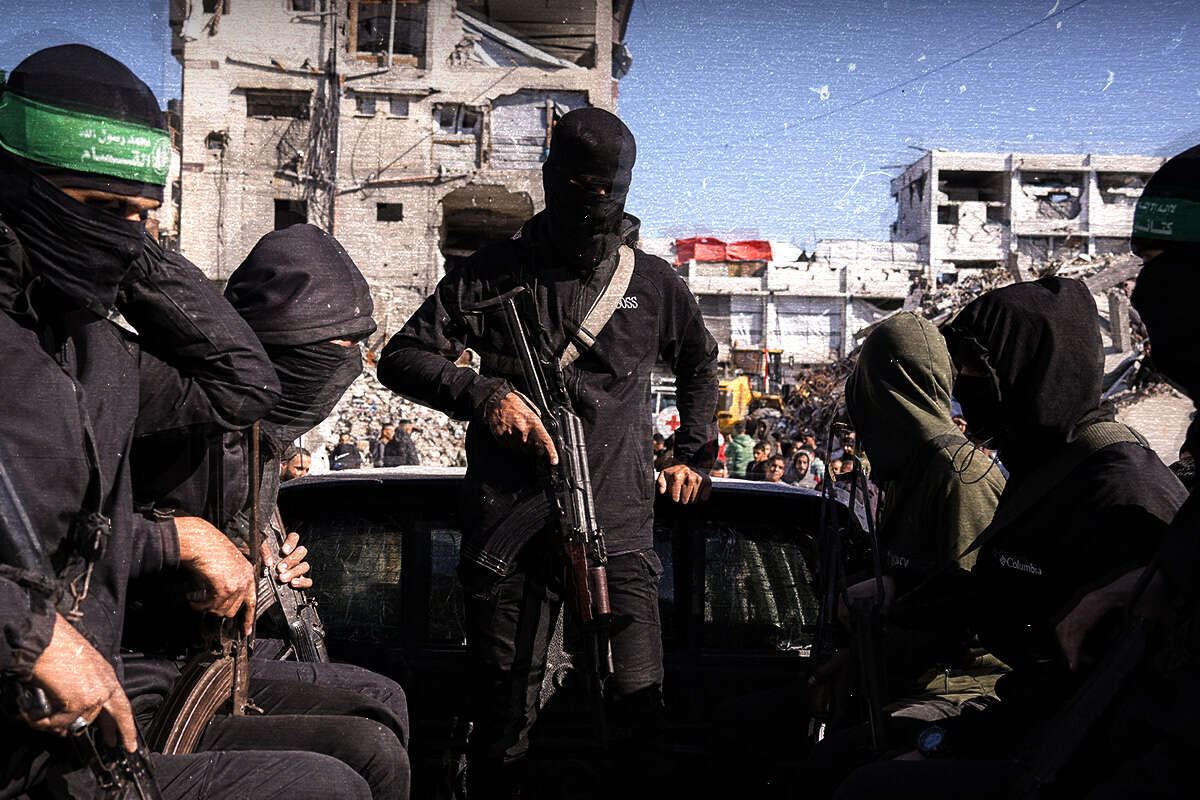
Following Prime Minister Benjamin Netanyahu's meeting with US administration officials and members of the Board of Peace Monday, a Israeli political source said that "it was agreed that there would be no withdrawal without Hamas disarming." In other words, the first condition for any future move in Gaza will be the disarmament of Hamas, effectively under US supervision rather than that of mediating countries such as Turkey and Qatar.
"Hamas will hand over its weapons for destruction under the supervision of US Maj. Gen. Jasper Jeffers," the political source said. At the same time, "the IDF will be granted and will retain freedom of action to eliminate threats, including Nukhba terrorists," referring to members of Hamas' elite commando force. This differs from the Board of Peace's initial document on the issue.
Earlier, Netanyahu met in Jerusalem with US presidential adviser Jared Kushner, former British Prime Minister Tony Blair and Board of Peace High Representative for Gaza Nickolay Mladenov. The sides discussed a practical framework for governing the Gaza Strip and disarming Hamas. It was agreed in the meeting that the Board of Peace would carry out sanitation and public health work throughout the Gaza Strip. Netanyahu reiterated that as long as Hamas' weapons had not been destroyed, the Israel Defense Forces would remain along the Yellow Line and defend Israel from there.
The four-way meeting was held in an effort to formulate an actionable framework for the administration of Gaza that would address Israel's security requirements. At the center of the discussions was the 15-point agreement, which Netanyahu previously rejected. Representatives of the Board of Peace and the US administration are now seeking agreement on the stages of its implementation on the ground.
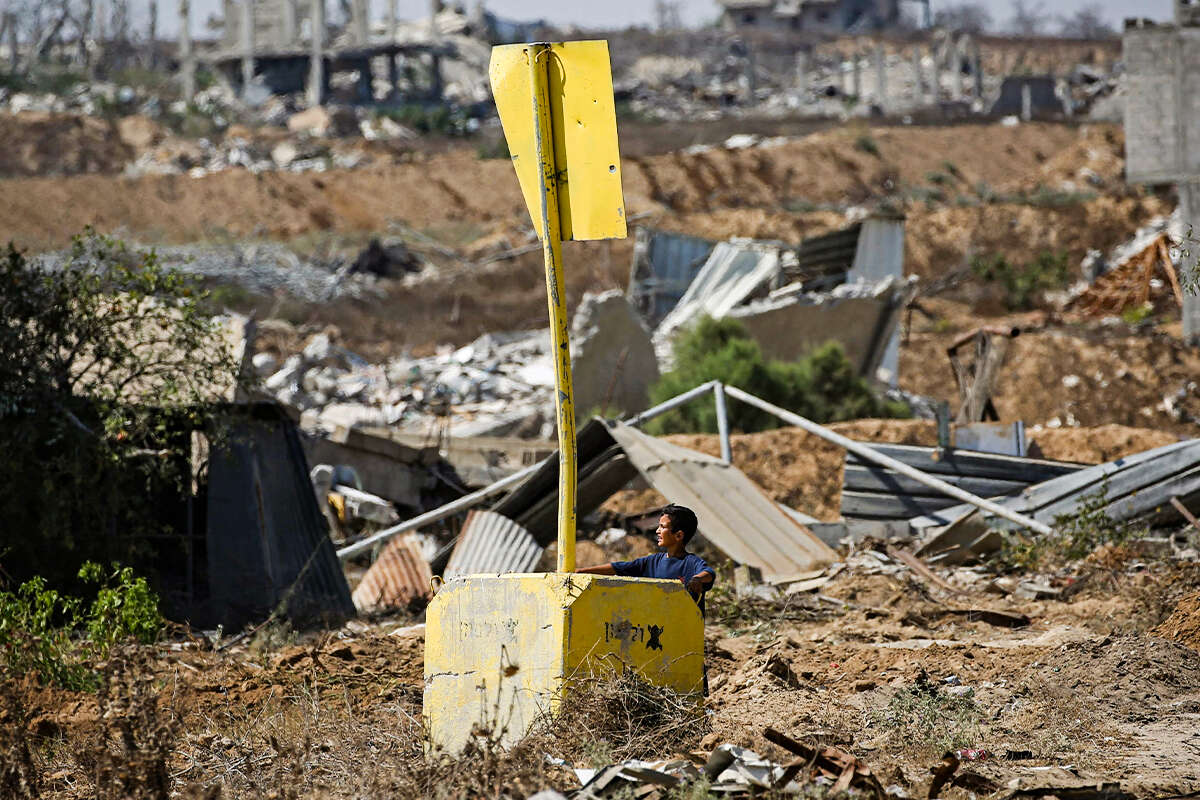
The emerging framework proposes transferring civilian authority in the Gaza Strip to a technocratic council and laying the groundwork for Hamas' disarmament. Under the plan, Hamas-free "pilot zones" would be established in the Rafah area and northern Gaza, along the lines of a model implemented in Lebanon. Temporary camps would be built in those areas for displaced residents, who would receive education, health care and infrastructure services without involvement from the terrorist organization.
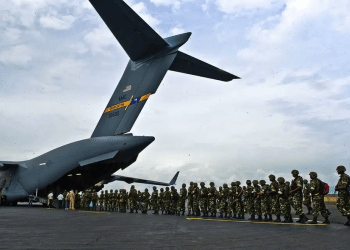
To maintain order in the pilot zones, the proposal calls for an International Stabilization Force to deploy within weeks. The force would initially include troops from Uganda and Kosovo, with Moroccan soldiers joining at a later stage. Israel has previously given its approval in principle to the move, but the operational details and the force's authorities have yet to be finalized.
The plan also calls for renewing the ceasefire under previous terms that allow the IDF to fire on emerging threats and protect troops stationed along the Yellow Line.
Kushner arrived in Israel after holding talks in the Egyptian city of El Alamein with a Hamas delegation and representatives from Qatar, Turkey and Egypt. During those talks, Hamas representatives told Kushner they were prepared to transform the terrorist organization into a political party and accept the roadmap proposed by the Board of Peace. Kushner responded that the US administration required the complete demilitarization of the Gaza Strip to prevent any future threat to Israel.

The fact that Kushner, Blair and Mladenov arrived directly from a meeting with senior Hamas officials in Egypt was poorly received in Jerusalem, according to conversations with Israeli officials.