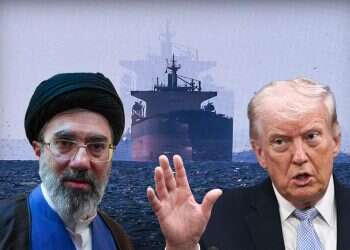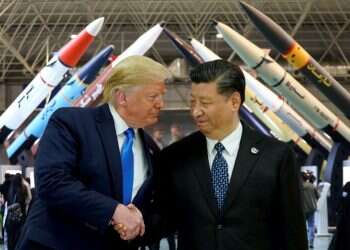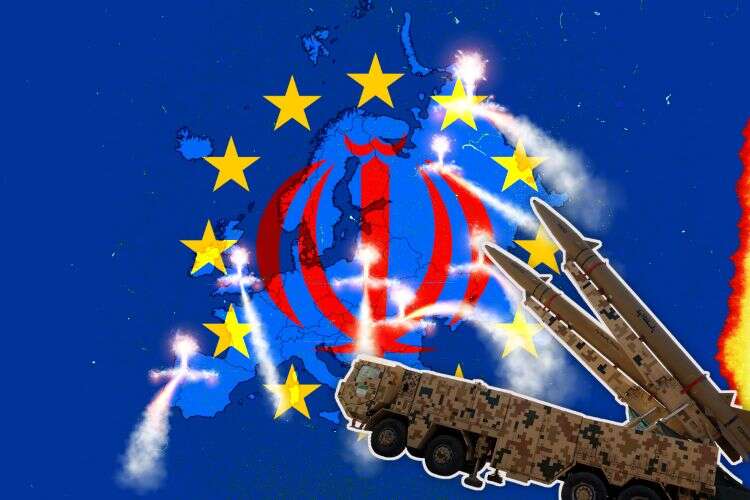
Tehran has assessed the feasibility of striking US military installations scattered across southeastern Europe in the event that President Donald Trump pursues military escalation, according to multiple individuals within the Iranian regime, the Financial Times reported.
The assessment extends beyond previous Iranian strategy. Two officials close to the government informed the Financial Times that the Iranian military has examined potential strikes against American assets positioned in southeastern European nations, particularly Bulgaria, which green-lit use of its Bezmer air base for US refueling operations last month.
Another insider disclosed that Cyprus represents an additional target under consideration for Iranian retaliation. The British air base on the island experienced a drone strike in March, further elevating Cyprus' strategic significance in Iranian military calculations.
Beyond conventional targets, Tehran's military planners have separately evaluated attacks on undersea fiber-optic cables running through the Strait of Hormuz should conflict intensify.
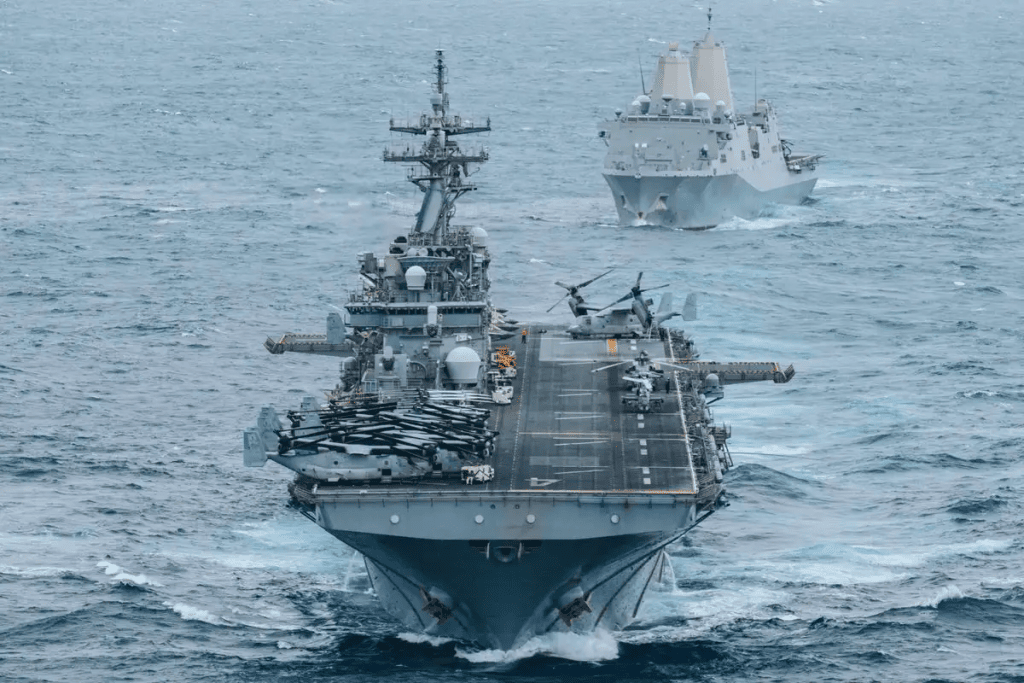
The strategic reassessment reflects a shift in Tehran's posture. Regime figures increasingly view renewed hostilities with Washington not as a possibility but as an inevitability, the Financial Times reported. Diplomacy aimed at reopening the strait has reached a stalemate, while Supreme Leader Ayatollah Mojtaba Khamenei elevated hardline security and military officials to prominent positions last week. Trump declared on Tuesday that "no talks or conversations going on, or scheduled" with Tehran.
The Islamic Revolutionary Guard Corps and senior military figures have signaled a fundamental change in doctrine. Any large-scale conflict would shift Iran's focus from Middle Eastern targets – US military installations, energy infrastructure – to objectives across a wider geographic footprint.
Iranian officials last month cautioned Britain over its military facilities' use by American forces. They stated that "any base that is used to launch an attack on Iranian territory will be considered a legitimate target".
Sidharth Kaushal, a senior analyst at London's Royal United Services Institute, assessed Iranian missile capabilities against European targets as "real, but limited". Medium-range systems like Iran's Shahab ballistic missiles could potentially reach US assets in southern and southeastern Europe, though effectiveness diminishes substantially at extended distances.
The scope and timing of any Iranian response hinge entirely on American actions, according to regime sources. One official characterized the government as actively developing contingency plans should Trump pursue attacks on Iranian infrastructure – particularly after the president pledged last month to destroy Iranian bridges or power plants in response to each vessel targeted by Tehran in the strait.
The second insider conveyed a more expansive position: Iran would impose "no limits" on retaliation were the US to cross what Tehran considers an unacceptable threshold. "Should the US go too far, Iran will defend itself at any price, go beyond the region, and hit Europe too," the person said.