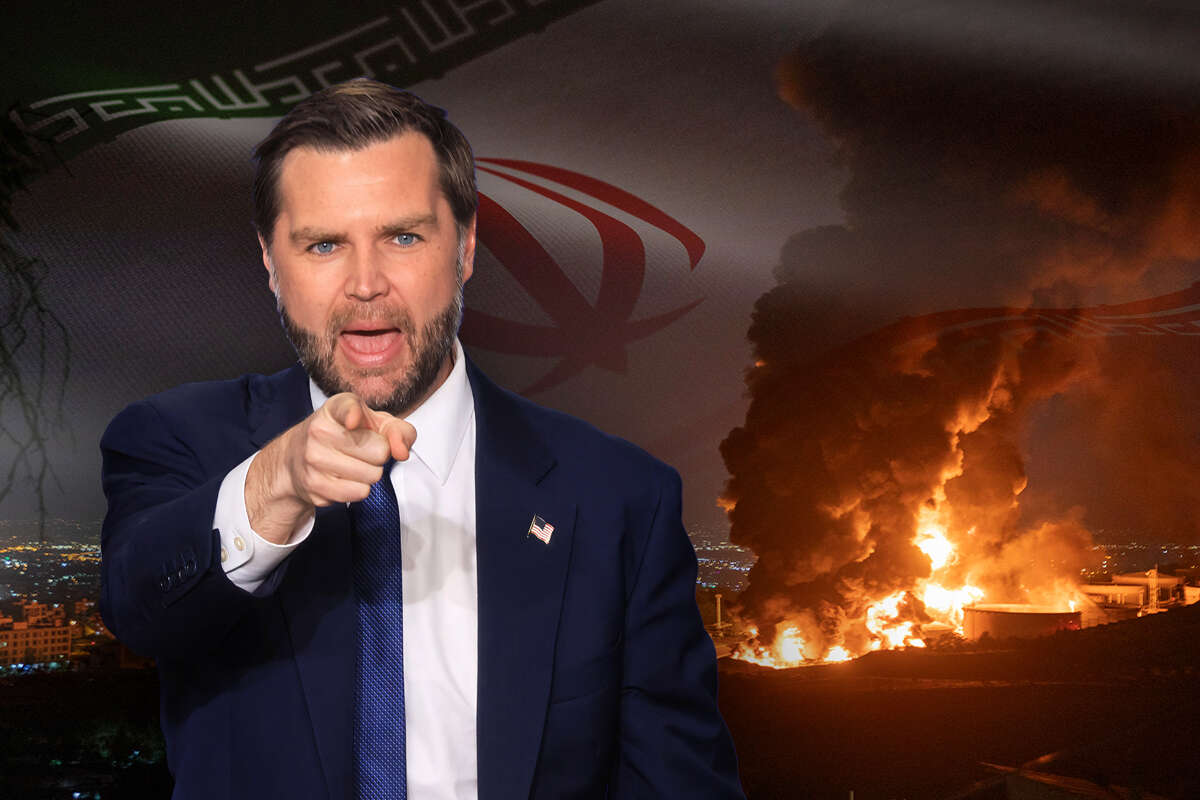
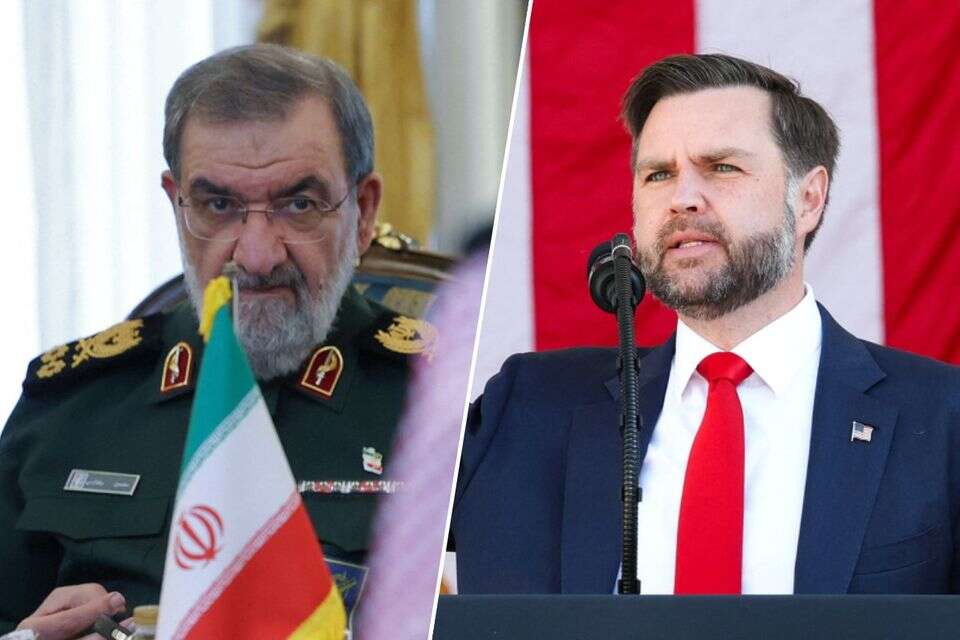
US Vice President JD Vance is considering a face-to-face meeting with Mohsen Rezaei, secretary of Iran's Supreme National Security Council, in an attempt to end the war, The Wall Street Journal reported Wednesday.
According to US and Middle Eastern officials, President Donald Trump has told senior administration officials and counterparts in recent days that he is open to Vance resuming contacts with Tehran and has authorized him to lead the negotiations.
US officials stressed to the newspaper that discussions about a direct meeting remain preliminary. Vance sent Rezaei a letter last month requesting a meeting, but no date has been set, and the two sides are continuing to communicate through intermediaries. According to sources familiar with the talks, the meeting could take place in Doha if it goes ahead.
Throughout the war, reports have portrayed the vice president as one of the administration's most skeptical figures regarding the military campaign, consistent with the isolationist views he has held for years. Following the Republicans' defeat in last week's midterm elections, Vance blamed the war's consequences for the Democrats' victory and the growing public demand for a change in US relations with Israel.
Vance has played a central diplomatic role throughout the war. About a month after fighting broke out, Trump formally appointed him chief negotiator with Iran. In April, Vance met Iranian Parliament Speaker Mohammad Bagher Ghalibaf in Islamabad, and in June he led the US delegation to talks in Switzerland. Those negotiations produced a pause in the fighting and a memorandum of understanding, but no Iranian commitment to restrict its nuclear program or relinquish control of the Strait of Hormuz.
US officials told the newspaper that Vance has recently been more involved in contacts with Iran than US envoys Steve Witkoff and Jared Kushner, who are also occupied with negotiations between Russia and Ukraine.
The role carries political risks for Vance: If the talks fail, he will shoulder the blame. If they succeed, he will be remembered as the man who ended an unpopular war.
As Israel Hayom reported last week, Trump has not forgotten the political predicament Vance created for him with the memorandum of understanding reached with Iran. The Wall Street Journal also reported, citing two officials, that Trump has recently criticized the agreement Vance helped secure in June during private conversations, arguing that it gave Iran time to regroup and generate oil revenue. The White House denied the account.
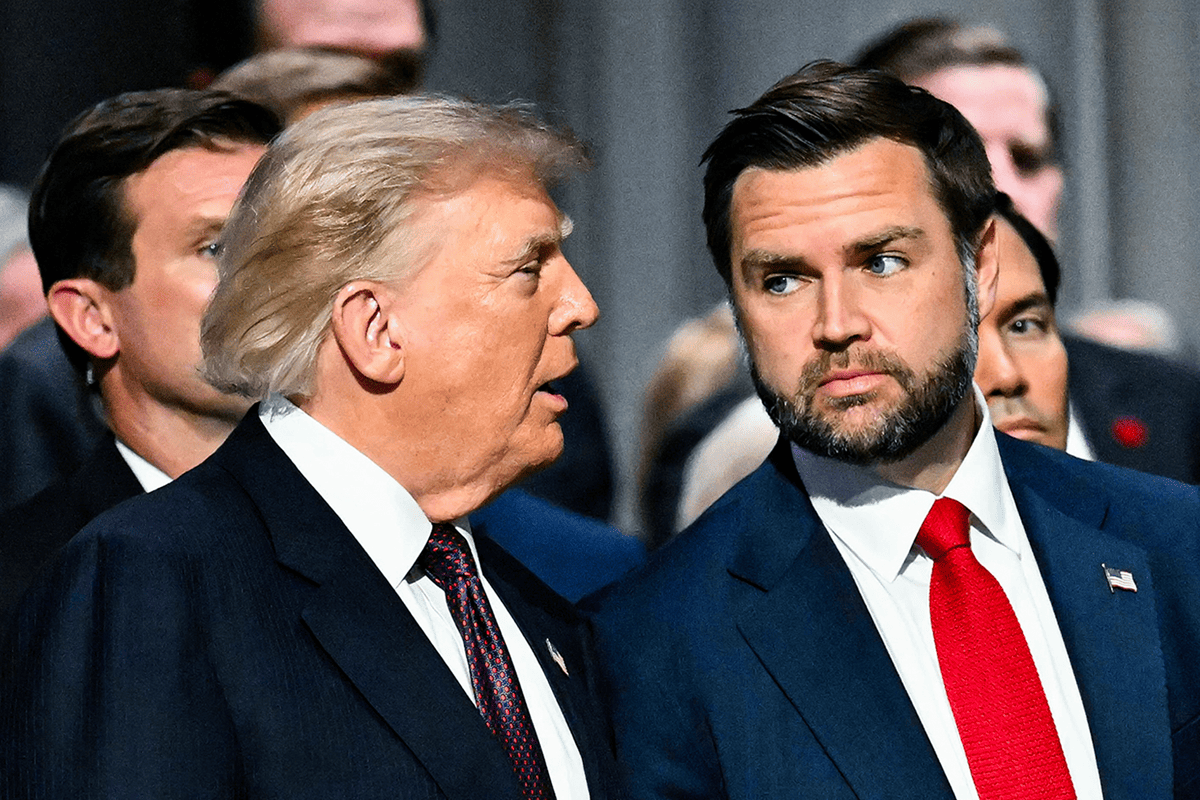
According to the newspaper, Tehran's demands are complicating efforts to resume negotiations. Iranian officials view the Republicans' midterm election defeat as an opportunity to harden their positions. Iran is demanding that the US lift its naval blockade, release frozen assets and ease oil sanctions before negotiations resume. "The Iranian demands are totally unrealistic. We expect that could change, and if it does, we'll be prepared for diplomacy," US Secretary of State Marco Rubio said Tuesday.
Middle Eastern officials told the newspaper that mediators have proposed immediate confidence-building measures. Under the proposal, the US would move its aircraft carriers farther from Iran, reducing the risk of large-scale strikes, and ease its blockade of Iranian ports. In return, Iran would allow 25 oil tankers to pass through the Strait of Hormuz.
According to The Wall Street Journal, Iranian diplomats have privately expressed doubts about the prospects of reaching an agreement, fearing that Trump could launch another attack "to justify his previous decision to go to war."
Some Middle Eastern mediators also doubt that a deal can be reached in the coming days, citing "more aggressive messages" from senior Islamic Revolutionary Guard Corps officials. Other regional officials fear that Revolutionary Guard commander Ahmad Vahidi, described in the report as a "hard-liner," wields more influence than the "less hawkish" Rezaei and could derail any contacts with the US.
Rezaei himself has adopted an increasingly hard-line tone in recent days as speculation about a possible meeting with Vance has intensified. "FOLD YOUR HAND. STOP manufacturing FAKE NEWS about imaginary talks," he wrote on X this week. In an interview with the Al-Mayadeen network, Rezaei said reports of negotiations and meetings in Qatar were "a pure lie."
"Not a single atom of enriched material will leave Iran," he insisted.
According to the newspaper, Rezaei's uncompromising stance may help him preserve his standing. The conciliatory gestures made by Parliament Speaker Ghalibaf, who negotiated with Vance in Islamabad, reportedly resulted in Ghalibaf being pushed to the sidelines.
Within the Trump administration, the debate has shifted from whether to resume the war to whether negotiations should restart or whether the blockade and sanctions should remain in place until Tehran backs down.
According to two officials, Rubio and newly appointed White House Chief of Staff Stephen Miller favor the latter approach. "The economic campaign and the pressure and the devastation that our economic campaign is having on the Iranian regime is working so well that the President really doesn't have any need to conduct major combat operations," Rubio said Tuesday.